




Ice Skate Protection
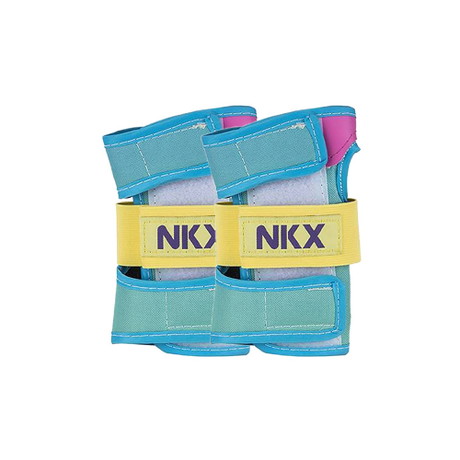 34%NKX Pro Kids Wrist GuardsSpecial Price €9.95 Regular Price €14.95S (Junior), M (Junior), L (Junior)
 36%NKX Pro Kids Elbow PadsSpecial Price €12.95 Regular Price €19.95S (Junior), M (Junior), L (Junior)

 41%NKX Pro Kids Wrist GuardsSpecial Price €8.95 Regular Price €14.95S (Junior), M (Junior), L (Junior)
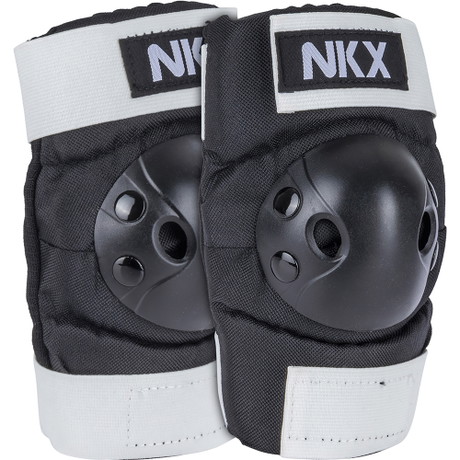 36%NKX Pro Kids Elbow PadsSpecial Price €12.95 Regular Price €19.95S (Junior), M (Junior), L (Junior)
 36%NKX Pro Kids Elbow PadsSpecial Price €12.95 Regular Price €19.95S (Junior), M (Junior), L (Junior)
 36%NKX Pro Kids Elbow PadsSpecial Price €12.95 Regular Price €19.95S (Junior), M (Junior), L (Junior)
 34%NKX Pro Kids Wrist GuardsSpecial Price €9.95 Regular Price €14.95S (Junior), M (Junior), L (Junior)






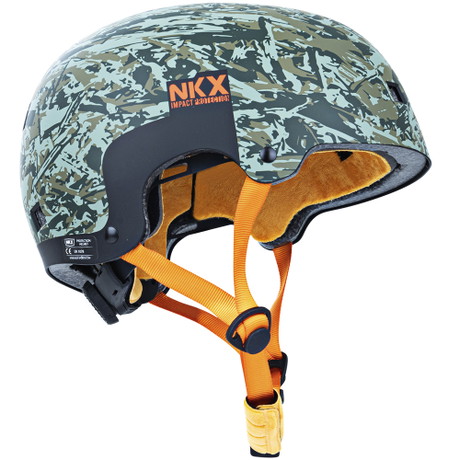


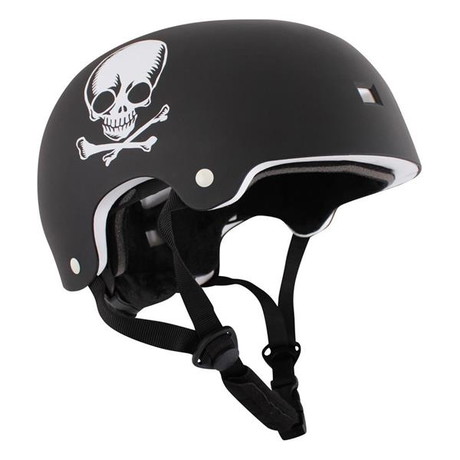


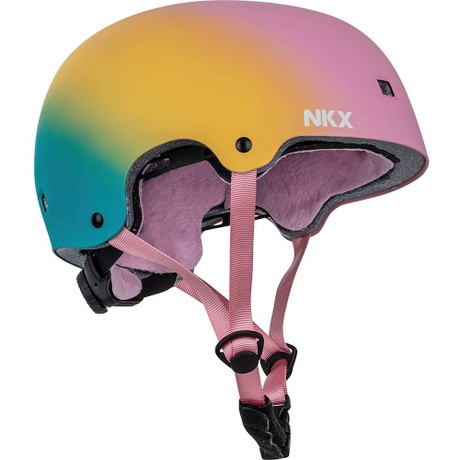

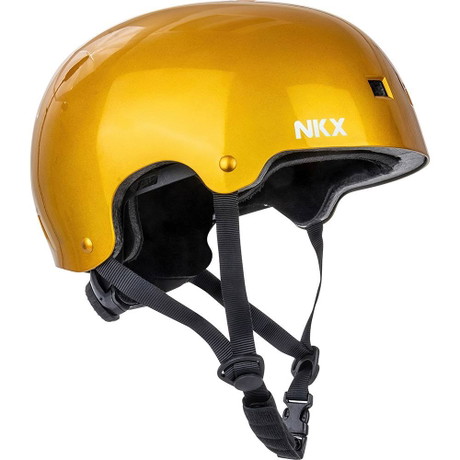


Ice Skate Protection for Safe Training and Fun on the Ice
Ice skate protection makes a big difference, not only to how safe you feel but also to how long you can stay out on the ice. Here you’ll find gear that protects your hips, tailbone, knees, wrists, and upper body, helping to prevent unnecessary injuries from falls on hard ice. This protection is suitable for beginners, recreational skaters, figure skaters, and those training for ice hockey.
Whether you mainly skate at an indoor rink or out on frozen lakes, it’s important to choose protection that matches your level and skating style. Many of the products here are flexible enough to also be used for snowboarding, skiing, or other winter sports.
Types of Protection and Choosing Your Safety Level
Ice skate protection is available in several types that can be combined as needed. Hip and tailbone protectors are popular among both children and adults because they absorb the hardest impacts from backward falls. Wrist guards and knee pads are ideal for beginners who often brace their hands or fall to their knees.
Use this list as a guide when choosing your gear:
- Protection level – choose from light, flexible foam padding for relaxed use, or stronger protection with hard shells for more intensive training and tricks.
- Certification – look for approved standards (for example, skating and roller sports protection) when you want verified shock absorption.
- Flexibility and freedom of movement – especially important for figure skating, where you need to stretch and twist your body.
- Comfort and padding – soft, ergonomically shaped pads and smooth seams reduce irritation when you wear the gear for long sessions.
- Ventilation and materials – breathable fabrics and mesh panels help prevent overheating, especially in warm skating rinks.
- Use scenario – choose differently if it’s mainly for play or beginner practice than if it’s for ice hockey, figure skating, or freestyle on the ice.
Also consider whether you prefer discreet protection under your clothes or more robust models that are clearly visible over trousers and jackets.
Size, Fit and Maintenance
A good fit is essential for your protection to work properly. Many models come in several sizes and can be adjusted with Velcro straps or elastic waistbands. Protective shorts and trousers should fit close to the body without pinching, ensuring the padding stays in place when you fall or move quickly.
Measure your waist, hips, and possibly your thighs, and compare with the size guide for each model. For children, it can be tempting to buy a size up, but overly loose protection can move out of position. It’s better to go for a snug fit and move up a size as the child grows.
To extend the lifespan of your ice skate protection, air out the gear after every session and let it dry at room temperature. Most textile-based products can be hand-washed or gently machine-washed (always check the care label) and should not be tumble dried, as high heat can damage the foam and elasticity.
Ready to feel more confident on the ice? Explore the different types of ice skate protection and find the combination that best suits your style, level, and winter activity.