




Wing Surf Wings


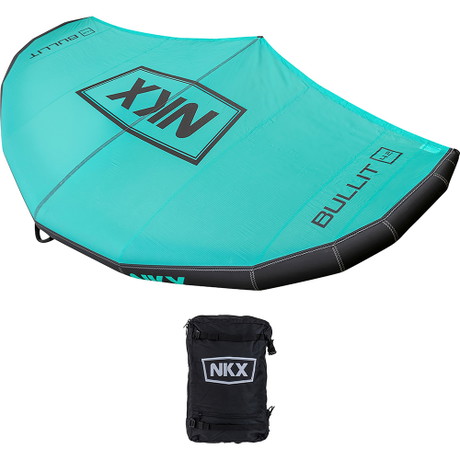

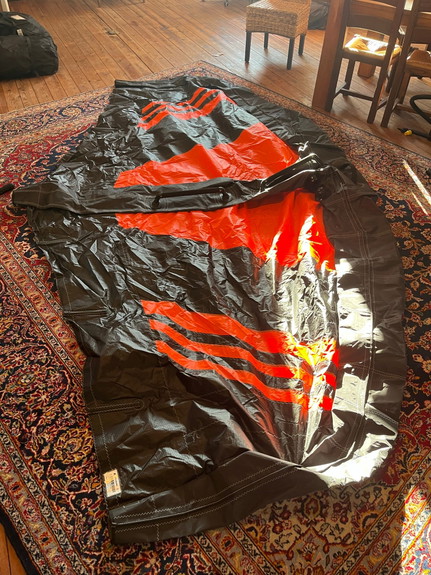
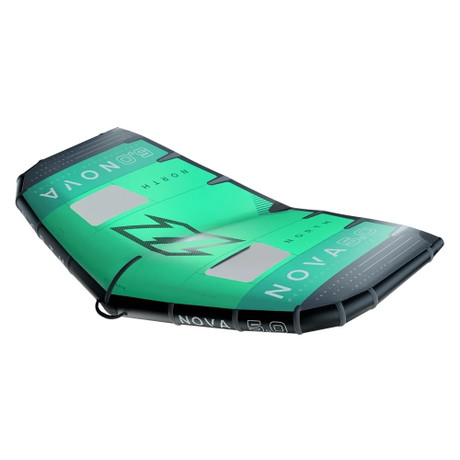


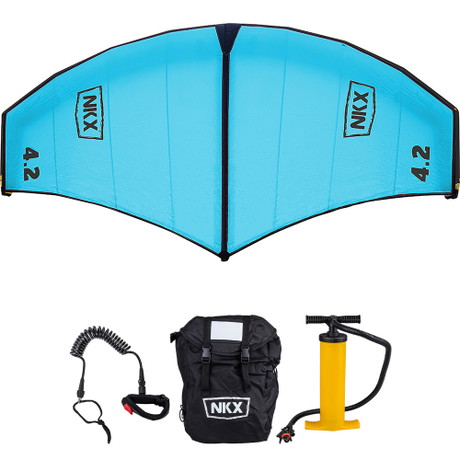


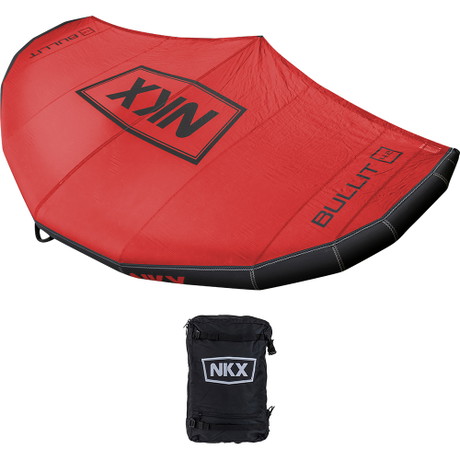


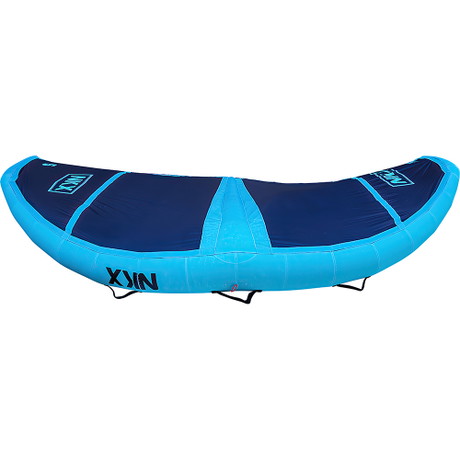

Wings for wing surf – how to choose the right one
Wings for wing surf and wing foil act as your sail on the water, and choosing the right model impacts control, safety, and how quickly you progress. Here you’ll find a trusted range of wings suited to different skill levels, wind conditions, and boards.
When selecting a wing, it mainly comes down to size, wind strength, and your own ability. A larger wing delivers more power in light winds, while a smaller one is easier to handle in stronger conditions. Most adults typically use between 3.0 and 6.0 m² depending on body weight and local wind conditions.
If you’re a beginner, focus on stability, easy handling, and good depower so you can concentrate on balance rather than struggling with the wing. More experienced riders can look for faster profiles and stiffer booms or handles for better performance in jumps, carving, and foil waves.
Choosing wing size, wind range, and skill level
To find the right wing, consider where and how you plan to ride, and what you can comfortably manage. Most people start out with one versatile all-round wing and later expand to include both a smaller and a larger option.
Use the points below as a checklist when comparing wings:
- Size (m²): A larger surface area provides more lift in 3–6 m/s winds, while a smaller one works better for 5–10 m/s and above, where control matters more than raw power.
- Your weight and strength: Heavier riders need slightly larger wings for the same amount of power, while lighter riders can size down for a more playful feel.
- Local wind conditions: If you usually ride in lighter wind, choose a large, efficient wing; at windier spots, a compact, smaller one will likely be your most used setup.
- Skill level: Beginners should go for stable all-round wings with a forgiving profile, while advanced riders can opt for more tensioned, stiffer wings for extra performance.
- Use with or without foil: Foiling requires a smaller surface area for the same lift, while a wing used on a SUP or hardboard often needs a slightly larger size to get moving.
As a general rule, a rider around 75–80 kg will often start with about 4.5–5.0 m² as an all-round choice in moderate wind. If you’re significantly lighter or heavier, adjust the size up or down by half to one square metre.
Safety, durability, and compatibility
Safety and durability depend closely on the materials, build quality, and finishing details of your wing. Reinforced leading edges, strong seams, and durable windows reduce the risk of damage and extend its lifespan, especially if you ride often or in tougher conditions.
Always choose a wing with a reliable leash system for both wrist or waist and board, so you don’t lose your gear in the water. Valves and pump systems should fit your pump, and ensure the wing’s handles or boom suit your stance and arm length well, helping prevent unnecessary strain on your shoulders and back.
Also take into account compatibility with your foil setup and board: a very powerful, stiff wing will usually need a foil and board that can keep up, while a softer, more forgiving wing is ideal for larger, more stable beginner boards. Once you’ve got a feel for wind range, skill level, and safety, you’re ready to choose the wing that best suits your sessions on the water.