




Skate Brake Pads


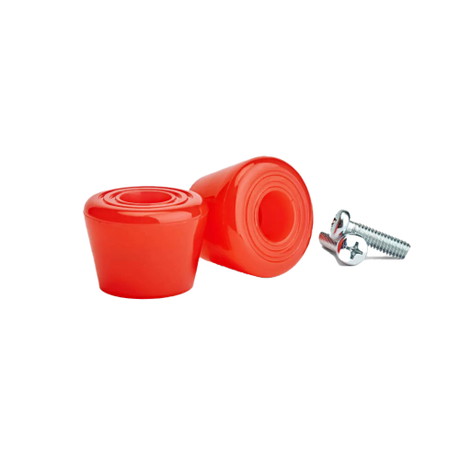


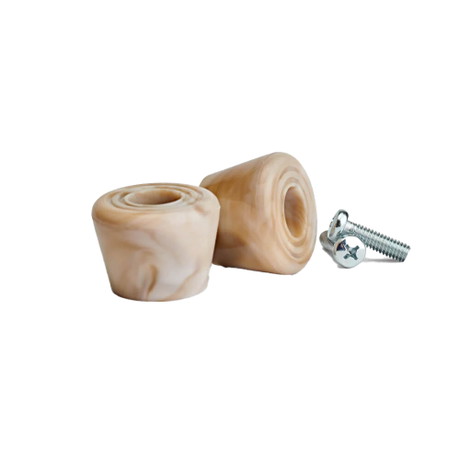


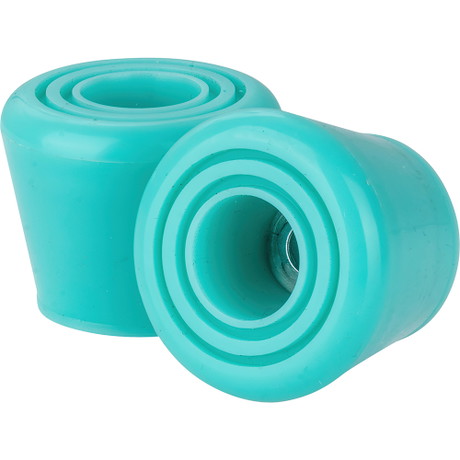


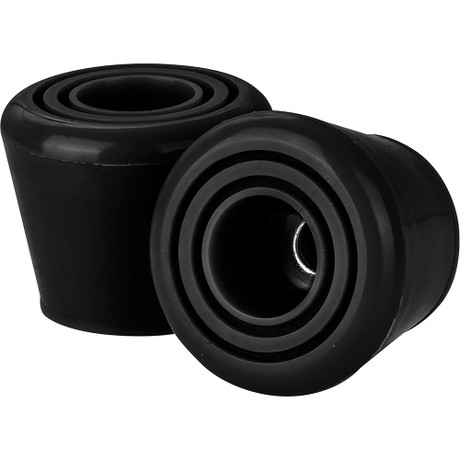


Compatibility and Installation of Brake Pads
Brake pads for roller skates are a key wear component that directly influence both your safety and overall skating experience. When the brake pad wears down, your stopping distance becomes longer and control decreases, so it is essential to replace it in good time and choose a pad that suits your skates. Brake pads for roller skates should always be selected to ensure they are compatible with both the brand and model.
Not every brake pad fits all roller skates. Most are designed specifically for certain brands or skate types, so always check your current brake pad and the manufacturer details before selecting a new one. If you are not certain, compare the shape, mounting point and height with your existing pad.
When choosing a brake pad, be sure to pay attention to the following:
- Type of skate Fitness, urban and children’s roller skates typically use heel brakes, while aggressive and artistic skates often do not use a brake pad at all.
- Mounting system Some brake pads are held in place by a single bolt through the centre, while others use two screws or a specific holder. It must match your brake arm.
- Shape and size The height, width and shape should fit the brake arm so the pad sits securely and can be adjusted for height.
- Brand-specific fit Many manufacturers use their own standards, so a pad from one brand may only suit certain models.
- Type of use Do you skate long distances, through city streets or mainly for leisure on paths? This affects how quickly the brake pad wears down and which style is most practical.
Installation is usually done with an Allen key or screwdriver. Loosen the old bolt, remove the used pad, insert the new one and tighten it firmly. Remember to retighten after a few sessions and adjust the height so you can engage the pad clearly when leaning back on your heel.
Use, Safety and Maintenance
A new and properly adjusted brake pad makes it easier to perform smooth and controlled stops, especially on descents, cycle lanes and in busy areas. If you are a beginner or an intermediate skater, a reliable brake pad is nearly as important as your boots and wheels, helping you manage your speed confidently and safely.
For safety, it is wise to check your brake pad regularly. If it is noticeably uneven or almost worn through, replace it straight away. If you skate often, you might need to change it more frequently, especially if you tend to brake downhill or on rough surfaces.
No matter your experience level, practise your braking technique in a safe place after fitting a new pad, as it may feel slightly different from your old one. Always pair a good brake pad with essential protective gear such as a helmet and wrist guards to balance control and safety. Regular maintenance helps extend the lifespan of your setup.
Once you have identified the right type and fit, the next step is to choose the brake pad that perfectly matches your skates and replace it in time, so you can keep skating with full confidence and control.