




Back Protector


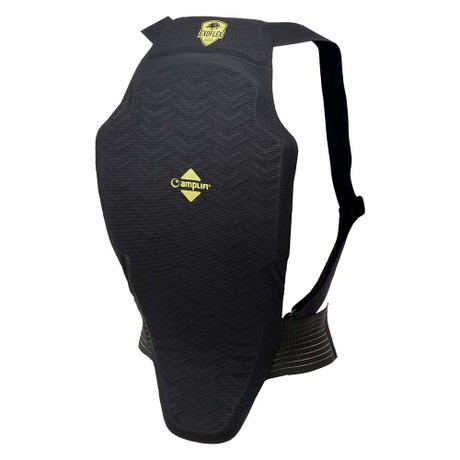

Back protectors for skiing and snowboarding – safety for your back on the mountain
A back protector is one of the most essential parts of your protective gear when skiing or snowboarding. It protects your spine from impacts and shocks in the event of a fall, lowers the risk of back and spinal injuries, and gives you confidence so you can ride with ease. In this category, you will find a carefully chosen selection for beginners, intermediate riders, and freeriders who want reliable back protection without compromising comfort or freedom of movement.
When selecting a back protector, it is particularly important to consider the protection level, fit, materials, and how it works in combination with the rest of your gear, such as your backpack or avalanche pack. Below, we guide you through the main factors to keep in mind.
Protection levels and certification – what do they mean in practice?
Back protectors for winter sports are typically CE-certified according to the motorcycle standard EN 1621-2, which is also used for skiing and snowboarding. This standard is divided into two protection levels, showing how much impact force the protector may transmit during testing.
Level 1 provides reliable basic protection and is often slightly lighter and more flexible. It is a great choice if you mainly ski or snowboard on groomed slopes at a controlled pace, or for children and beginners where comfort and light weight are especially important.
Level 2 offers higher protection, as it allows less force to pass through the material upon impact. It is recommended for freeride, park, off-piste, high-speed skiing, and for anyone seeking maximum safety. Level 2 protectors may be a bit thicker, but modern materials often keep them surprisingly flexible.
In addition to the protection level, it is worth checking the coverage. A good back protector should reach from the top of the tailbone up to the neck and shoulder area, fitting close to the back without large gaps. Also check if the model is made specifically for skiing and snowboarding, meaning it is built for repeated impacts and cold conditions, where the materials must stay flexible and absorb shocks effectively at low temperatures.
Types and materials – hard shell, soft foam or hybrid?
Back protectors for winter sports generally come in three main types: hard shell, soft foam, and hybrid models that combine different technologies. The right choice depends on your riding style and how much movement you want.
Hard back protectors usually have an outer layer made from rigid plastic with inner padding. They distribute the force from concentrated impacts, such as from a rail edge or rock, but can feel more like armour and less flexible, especially if you rotate your upper body a lot while riding.
Soft back protectors are made from foam or gel materials that stay flexible when at rest but harden on impact, such as viscoelastic materials. They follow the shape of your back closely, are often lighter, and more comfortable to wear all day. Many riders pick this type for freeride and park, as it offers great freedom of movement and fits well under a jacket.
Hybrid models combine layers of soft, shock-absorbing foam with semi-rigid plates. They aim to balance effective energy distribution with low weight and flexibility. They are ideal if you ride both on and off-piste, or spend time in the park, and want one versatile option.
Materials with ventilation channels, perforated foam, and moisture-wicking fabrics make a big difference for comfort. A back protector you actually want to wear every day will protect far better than one left in your room because it is too warm or stiff.
Fit and size – ensuring proper and comfortable protection
The key to good safety is a proper fit. A poorly fitted protector can shift during a fall, leaving parts of your back exposed. Always follow the manufacturer’s size guide and consider your layering.
When choosing, focus on these points:
- Length of the back protector – it should cover from just below the neck to just above the tailbone, without hitting the helmet or pushing into the waistband of your trousers.
- Waist belt and shoulder straps – they should be adjustable, so the protector sits snugly against your back without restricting breathing or movement.
- Close fit – the protector should follow your back’s contours and not tilt or hang when you bend or twist.
- Comfort under the jacket – move around, squat, and try your riding stance with mid-layers and jacket on to check if anything rubs or feels tight.
- Weight and flexibility – crucial if you are out for long days or touring; low weight and high flexibility make it easier to forget you are even wearing it.
Some back protectors come as standalone plates with straps and a waist belt, while others are designed as vests with integrated protection. Vests can offer a more stable and comfortable fit, especially for children and slimmer body types, while plate models may be lighter and easier to combine with other protective gear.
For children, adjustability is especially important so the protector can fit for several seasons without compromising safety. Always choose based on the child’s actual height, not just their age.
Use scenarios and choice by level – from piste to freeride and park
Your riding style and where you spend your time on the slopes should guide your choice of back protector. Easygoing piste cruising with the family often calls for different features than big jumps in the park or technical, high-speed off-piste lines.
For piste and family skiing, a lightweight, comfortable back protector with good basic protection is usually enough. Many go for a soft or hybrid model, level 1 or 2, that you can wear all day without feeling bulky. Comfort and fit should always come first – that way, you will actually wear your protector every run.
For park and freestyle, the risk of impacts from rails, boxes, or landings on your back is higher. Here, level 2 protection, strong coverage, and a slightly more solid build make sense. Flexibility is equally key so your movement and rotation are not restricted.
For freeride and off-piste, focus on high protection, low weight, and compatibility with a backpack or avalanche pack. Many freeriders pick soft or hybrid protectors that fit comfortably under technical jackets and remain comfortable on long tours. Make sure the backpack’s hip belt and the protector’s waist belt do not overlap awkwardly.
For children and beginners, a comfortable, lightweight back protector or vest can make a big difference in confidence. When kids get used to wearing protection early on, it naturally becomes part of their kit, just like a helmet.
The next step is to look at your level, riding style, and how much protection you want – then find the back protector from our curated selection that best suits your needs on the mountain.