




Dancing Longboards


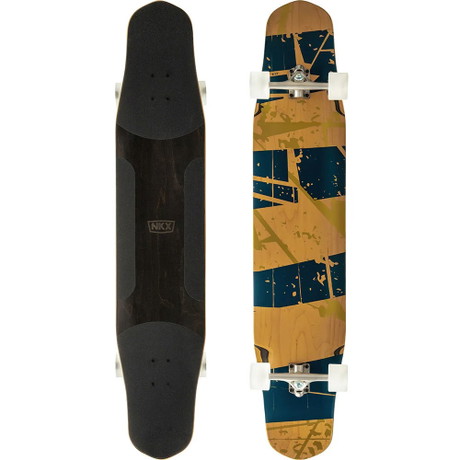


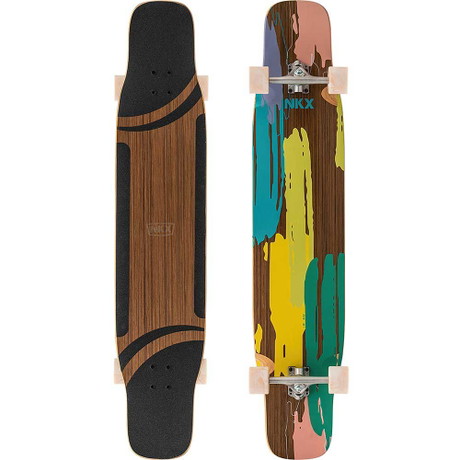
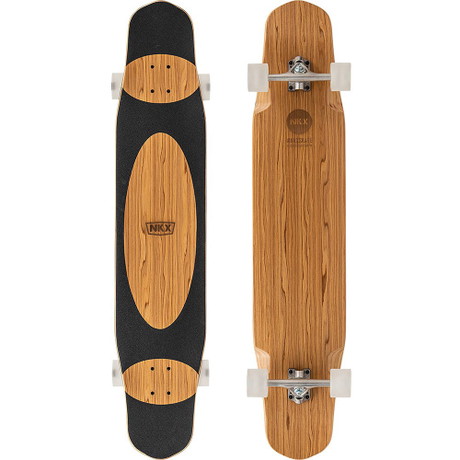

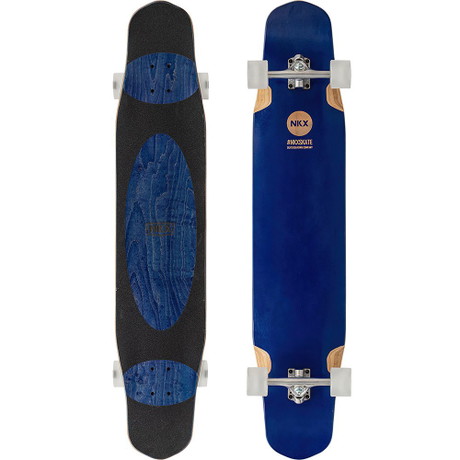


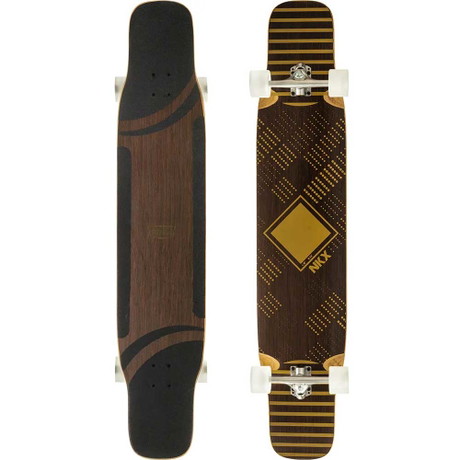


What characterises a dancing longboard?
Dancing longboards are long, stable boards designed for smooth footwork, spins and smaller tricks performed on the deck while rolling. They offer generous space for foot movements, and the shape is usually symmetrical with gentle curves, making the transitions between tricks feel fluid and natural. Here, you’ll find models specifically optimised for this riding style – ideal when you want to blend dancing and cruising.
A dancing board can easily be used for cruising around town or along the seafront. The additional length and wheelbase ensure calm, predictable steering and make it easier to keep your balance, even at slower speeds.
Choosing size, flex, materials and setup
When selecting a dancing longboard, length, width, flex and wheels/trucks largely determine how the board feels to ride. Consider your level, weight and whether you want to focus more on dancing or cruising. You can also take inspiration from other disciplines such as downhill longboards if you prefer higher speeds and extra stability.
Key factors when comparing models:
- Deck length: Generally 100–120 cm. Longer decks offer more room for footwork and improved stability, while shorter ones feel more playful and easier to manoeuvre.
- Width: Usually 22–24 cm. Wider decks provide better footing and stability, especially for beginners and riders with larger feet.
- Flex: A softer flex provides comfort and absorbs vibrations, whereas stiffer boards offer greater precision and stability for tricks and faster rides.
- Material and construction: Most are made from maple, bamboo or a combination of both, often reinforced with fibreglass to enhance strength and durability under repeated landings.
- Wheels: Larger wheels (around 65–70 mm) roll more smoothly over rough surfaces and deliver better grip – essential when landing tricks or changing direction.
- Trucks and wheel wells: Reverse kingpin trucks ensure controlled steering, while wheel wells or cut-outs help prevent wheelbite during deep turns.
It’s also worth considering how heavily you’ll use your board. If you practise tricks daily, a deck with reinforced ends and fibreglass layers is a smart choice to extend its lifespan.
Skill level, use scenarios and safety
Dancing longboards suit both beginners and experienced riders. Beginners benefit from a stable setup to learn balance, carving and simple cross-steps, while advanced riders can make the most of the large deck for combinations of spins, manuals and slides.
Typical use scenarios include relaxed cruising, dancing on smooth asphalt, gentle hills at moderate speeds and freestyle-inspired tricks. Opt for a more stable setup with slightly larger, softer wheels if you mostly cruise, or choose a stiffer deck with reinforced ends if you’re focusing on technical dance tricks.
Always wear a helmet, and ideally knee and wrist protection, especially when learning new moves. Start out on smooth surfaces away from traffic, and gradually build your speed and skill level.
Once you’ve found your riding rhythm, you can choose a dancing longboard from a dependable selection that suits your style and ability – and begin developing your own flow.