




Sports Bags


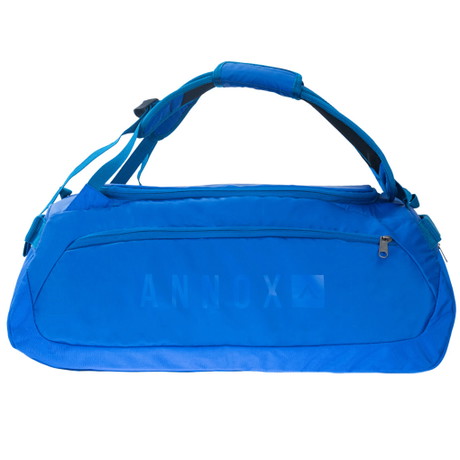


Sports Bags for Skate, Surf, Snow and Training
Sports bags help keep your skate, surf, snow and training gear organised, so you can move easily between your spot, school and work. This category is for beginners, experienced riders and anyone looking for practical storage for an active day-to-day life.
A good sports bag protects your gear, makes packing handier and gives you space for equipment, a change of clothes and small essentials. It really makes a difference when you’re heading straight from school to the skatepark, from work to the gym, or away for the weekend to the snow or the sea.
Types of Sports Bags and Their Uses
Duffel bags offer plenty of room for clothing, shoes and protective gear. They’re perfect for fitness, short trips, snow adventures and as an all-in-one bag for your whole setup when travelling by car or train.
Backpacks and skate backpacks are ideal for everyday use, school and the park, when you want your hands free. Skate backpacks usually have straps for your deck, room for a helmet and pockets for tools and smaller bits.
Ski and snowboard bags are long and slim, designed to fit your board, bindings and often your boots. They make transport by car, bus and plane safer, keeping sharp edges away from the rest of your gear.
Wet bags are made for wet surf gear, wetsuits and damp towels, keeping the rest of your bag and car boot dry. Smaller helmet bags protect your helmet and goggles, both when you’re travelling and when your gear’s stored at home.
For the skatepark, a backpack with board straps, space for a water bottle, tools and maybe a hoodie is sound. For snow trips, a combination of a duffel bag for clothes and protection plus a board bag for skis or a snowboard is a handy setup.
For surfing, a wet bag or waterproof pouch inside a bigger bag will keep wetsuits and damp gear separate from dry clothes. For fitness, a medium-sized duffel with a separate shoe section and space for toiletries and a towel is often grand.
How to Choose Size, Comfort and Durability
Start by thinking about how much gear you normally carry and whether the sports bag will be used mainly for everyday activities, your local spot or travel. Capacity is usually measured in litres, and it’s smart to allow a bit of extra space for clothes, shoes and protection.
The carrying system, padding and materials affect how comfortable and durable the bag is, especially if you walk or cycle long distances. Reinforced base panels and hard-wearing fabrics increase its lifespan, while water-repellent or waterproof materials guard against rain and snow.
- Activity: Choose the type depending on whether you mainly skate, surf, ride snow or train at the gym.
- Capacity: Think about whether you’ll need space for full protective gear, shoes, a helmet and maybe a laptop.
- Padding: Look for padding on the back, shoulder straps and around delicate items like helmets and goggles.
- Organisation: Separate compartments for wet/dry clothing, pockets for small items and possibly a padded pocket for electronics.
- Travel-friendliness: Check the length, weight and whether the bag counts as hand luggage or must be checked in.
- Price level: Consider how much use and wear the bag will get and pick your quality accordingly.
When storing your gear at home, ski and snowboard bags as well as helmet bags can protect from dust and knocks. Pack ergonomically by placing heavy gear close to your back and adjusting shoulder straps properly to avoid strain on your shoulders and lower back.
Think about whether the bag needs to be water-repellent for everyday use or fully waterproof for surf and snow, and check its size and capacity against airline limits if you travel often. Shake out sand and snow, dry the bag after use and clean the zips regularly to help it last longer.
Base your choice on your main activity and how much gear you usually bring, and think about whether you’re a new or experienced rider who might need extra space for protection and spare parts. Use the size guides, volume info and product descriptions to compare models, and reach out to customer service if you’re unsure about fit, capacity or travel requirements for your setup.