




Scooter Stand
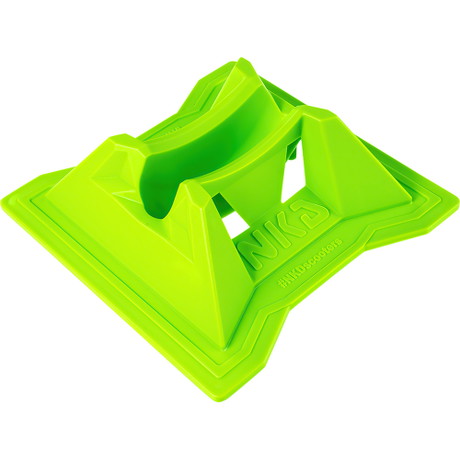
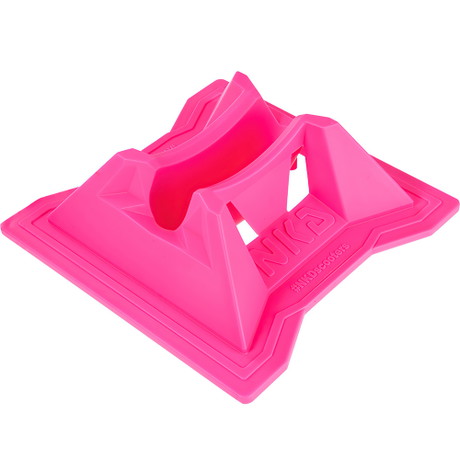
 31%NKD Pro Scooter Stand – Holder for 110–125 mm wheels, 24/30 mm widthSpecial Price €8.95 Regular Price €12.95One Size
 19%NKD Pro Scooter Stand – Holder for 110–125 mm wheels, 24/30 mm widthSpecial Price €8.95 Regular Price €10.95One Size
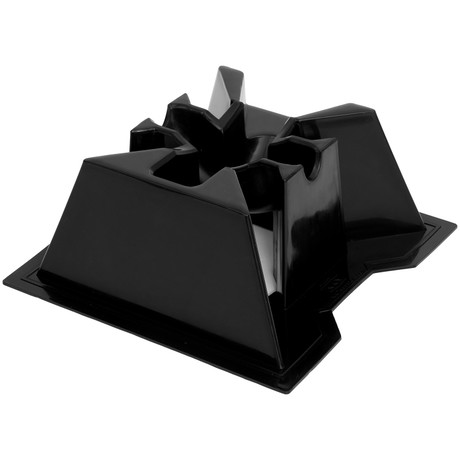 31%NKD Pro Scooter Stand – Holder for 110–125 mm wheels, 24/30 mm widthSpecial Price €6.95 Regular Price €9.95One Size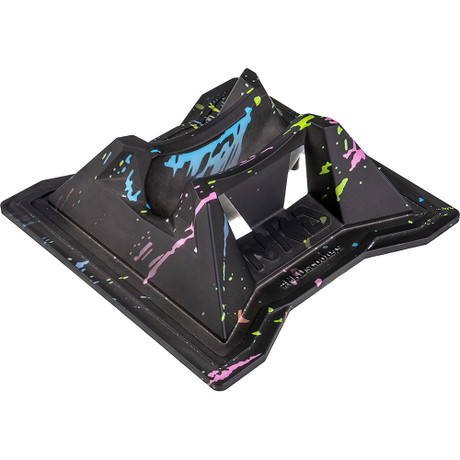





Stand / Holder for Stunt Scooters
A stand or holder for stunt scooters provides a secure place to park your scooters so they don’t tip over, cause obstruction or get damaged unnecessarily. It’s a handy solution for families with a few scooters at home, as well as clubs, skate parks and schools where several riders share the same space. A good setup helps protect the wheels, deck and bar while also keeping marks off walls, doors and furniture.
With a dedicated holder, you can bring more order to the hallway, garage or shed, and reduce the risk of anyone tripping over a scooter left on the floor. It also helps avoid wear on the wheels and griptape, as the scooter stays securely in place instead of being knocked around.
Types of Scooter Stands and Holders
Simple floor holders are typically compact options for parking one scooter at a time, with the front wheel fitting neatly into a slot. They’re easy to move when needed and work well in bedrooms, smaller hallways or beside a ramp in the driveway. Multi-stands are designed to hold several complete scooters at once, offering organised parking for clubs, facilities and families with multiple riders.
Wall-mounted holders make the best use of space by lifting the scooter off the ground. They can come as simple hooks or shaped brackets that grip around the wheel or deck. Floor-based stands are freestanding and need no drilling, which is handy if you want to move them between indoor and outdoor areas. For outdoor setups, it’s best to go for weather-resistant materials such as steel with a suitable coating or durable plastic that can withstand damp and changing temperatures.
The choice of materials affects both durability and weight. Metal stands often provide better stability and a longer lifespan, while plastic or composite versions can be gentler on the wheels and easier to move. Capacity varies from single to multiple scooters, so it’s worth matching the stand to the needs of your home or club.
How to Choose the Right Scooter Stand or Holder
A few key points make it easier to pick a solution that suits your equipment and space.
- Type of scooter: Make sure the holder fits the wheel diameter and deck width so the scooter stands securely without being squeezed or wobbling.
- Capacity: Think about how many scooters need parking together, both now and in the future, so the stand doesn’t become too small too soon.
- Mounting and placement: Decide whether you’d prefer to drill into the wall or if a freestanding floor version would offer more flexibility in the hallway, garage or club.
- Material and durability: Choose rust-resistant materials for outdoor use, while indoor stands can usually be lighter and more compact.
- Compatibility with surroundings: Make sure there’s adequate space so doors can open fully and there’s still clear passage for both children and adults.
- Security: Consider a model that allows a lock to go through the stand or wheel if extra theft protection is needed in courtyards or shared areas.
When installing the stand, always position the scooter fully into the holder so the wheels and deck sit correctly in place. Encourage children to park their scooters the same way every time so both the stand and scooter stay in good condition. For wall-mounted options, make sure screws and wall plugs match the wall type and tighten them properly so the holder doesn’t loosen with everyday use.
To prevent scratches on the deck or clamp, check that the stand’s contact surfaces are smooth and free from sharp edges. Freestanding stands can, if needed, be fixed with screws or secured to the ground when used outdoors or where several scooters are parked close together. If the stand is also part of your theft prevention setup, it’s best placed in a visible area and used with a sturdy lock through the wheel or bar.
Once you’ve sorted mounting and placement, the final step is simply to make parking part of the daily routine so scooters always have their own spot and stay in good condition for longer.