




Surfboards
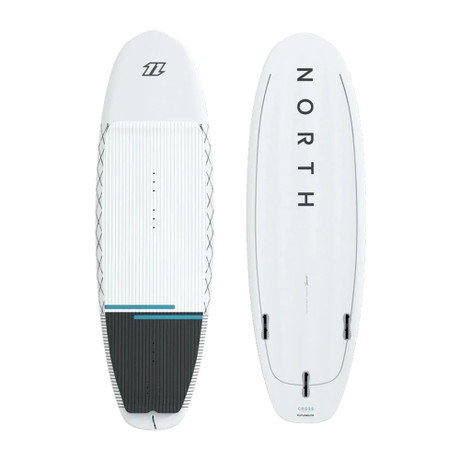


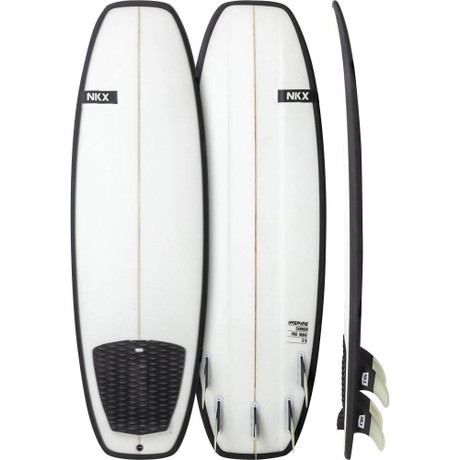

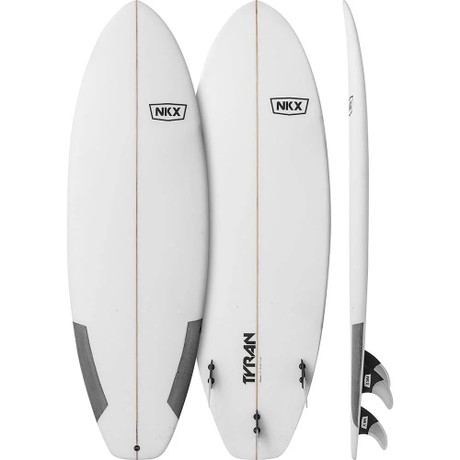
Surfboards for all levels and waves
Here you’ll find surfboards for anyone who wants to make the most of their time on the water, whether you’re a beginner or an experienced surfer. We offer a solid selection of surfboards suited to both Irish conditions and trips to warmer destinations, so you can choose a board that matches your level and the waves you ride within surfing.
The right surfboard makes it easier to pop up, keep your speed, and develop your technique. Think about where you mostly surf, how often you’re in the water, and whether you want one all-round board or would like to add to your quiver with a more specialised model within water sports.
How to choose size, shape and material
A board’s volume, length, and shape have a big impact on how stable and lively it feels. As a general rule, more volume means easier paddling and better stability, while less volume and shorter length allow for quicker turns and more responsiveness but call for stronger technique.
Pay close attention to these factors when choosing a surfboard:
- Level and experience Beginners should go for a longer board with higher volume, while more advanced surfers can size down for increased performance.
- Weight and height The heavier you are, the more volume you’ll need for the board to float properly and catch waves early.
- Wave type Smaller, slower waves call for extra volume and width, while steeper waves can be surfed with narrower and shorter boards.
- Board type Longboards, funboards, shortboards, fish, and softboards each have their own strengths for different styles and conditions.
- Material and construction Traditional PU/EPS with fibreglass provides a classic feel, while soft-top and more durable constructions can handle heavier use.
For beginners and intermediates, softboards and funboards are great, safe picks that offer extra stability and cushioning. More experienced surfers often prefer lighter boards with sharper rails for better control at the bottom and top of the wave.
Use scenarios, safety and practical tips
For Irish coastal surf, a board with good volume and a broad nose is a clear advantage, making it easier to catch the often slower waves. If you’re heading off to spots with stronger and more powerful waves, a narrower shortboard or performance fish will offer better control and speed.
Safety should always be part of your choice. A board with rounder rails and a soft-top is more forgiving in bumps or collisions, especially in crowded line-ups or for complete beginners. Always use a leash of the right length and check fins and edges for damage to avoid any sharp or frayed spots.
If you want to be confident you’ve made the right choice, start from your current level and the conditions you surf in most, then choose a surfboard that makes things a little easier, not harder. That way, you’ll enjoy more great rides per session and see quicker progress, whether you’re catching your first waves or fine-tuning your manoeuvres.