




Scooter Bearings
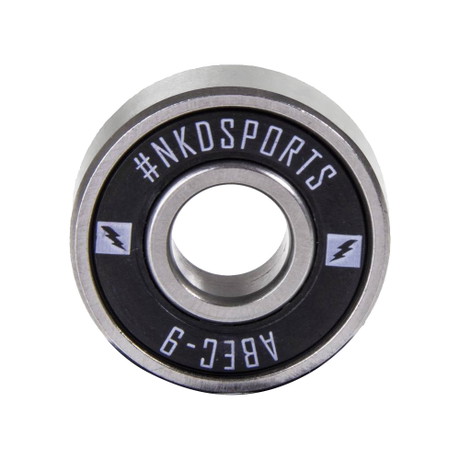
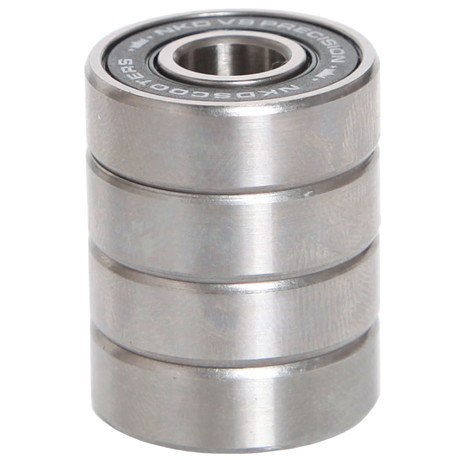 58%NKD V9 Precision Bearing – Extra durability and performanceSpecial Price €10.95 Regular Price €25.95ABEC-9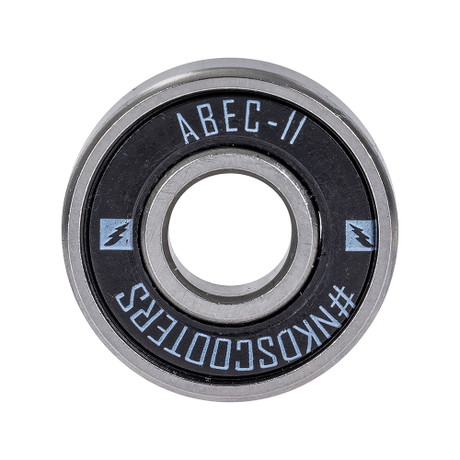



Choosing Bearings for Scooters
Bearings for scooters play an important role in how smoothly and easily your scooter rolls, and in how long your wheels last. Here, you’ll find a curated selection suited to trick scooters, commuting, and leisure riding. The right bearing can make a real difference to your scooter’s speed, control, and overall performance.
When it comes to choosing bearings, it’s not just about the price. You’ll want to consider compatibility with your wheels, your riding style, and the level of maintenance you’re comfortable with. For park and street riders, durability and dependable seals are especially important, while commuters usually focus more on low friction and steady performance.
Below are the main factors to help you find the most suitable bearings for your scooter.
- Size (typically 608 bearings) Most scooters are built around an 8 mm axle and use standard 608 bearings. Make sure the bearings match both your wheels and your fork for a secure fit.
- ABEC / precision rating A higher rating often indicates finer tolerances and lower friction, but the quality of the materials and construction is just as important as the number.
- Open vs. sealed bearings Sealed bearings (with shields or seals) offer better protection against dirt and moisture, while open bearings may roll a bit more freely but require more frequent cleaning and lubrication.
- Material and construction Steel bearings are the standard choice. Reinforced models made with higher-grade steel and improved lubrication provide smoother rolling and longer-lasting performance.
- Riding style and level For impacts, street, or park use, sturdier bearings are more valuable than chasing maximum top speed.
Compatibility, Installation and Safety
Compatibility mainly depends on axle size and wheel hub dimensions. Most stunt scooters use an 8 mm axle and 24 mm wide wheels that fit standard 608 bearings. If your wheels are a non-standard width or design, it’s a good idea to double-check the manufacturer’s specifications before fitting new bearings.
Installing bearings doesn’t require specialist tools but does call for care. Press them straight into the wheel, applying even pressure around the outer edge to avoid damaging them. You can use a bearing press or the axle of your fork with a nut to gently pull the bearing into place.
When fitted correctly, the bearing should feel snug without any looseness, and the wheel should spin freely and quietly. Always tighten your axle bolts to remove any play, but don’t overtighten – that can make the bearings stiff. Worn or damaged bearings can seize or block the wheel, so keep an ear out for grinding sounds, looseness, or resistance. Regular checks help maintain both safety and performance.
Maintenance and Durability
How long your bearings last depends on how and how often you ride, and how well you maintain them. Sealed bearings need less upkeep, while open bearings perform best when cleaned and lubricated regularly.
Try to avoid riding through heavy rain, sand, or mud, as these conditions can significantly reduce your bearings’ lifespan. If they do get wet, remove the wheels, dry them gently, and let them air dry fully to prevent rust. With frequent use in skateparks and on the streets, it’s normal to replace bearings when they start sounding rough or rolling unevenly.
If you’re not sure which bearings will best suit your scooter or how durable they need to be for your riding style, start by assessing your current setup and ride feel, then upgrade from there. That way you’ll end up with bearings that match both your level and how you like to ride.