Length:
Airtracks come in many different lengths. A typical "hobby airtrack" that most people have standing in the garden, is typically 3-6 meters long. If you want an airtrack that is capable of making more jumps in a row, then you'll go for an airtrack of 5-6 meters long. If you are only looking to make a single or two / three jumps in a row, then an airtrack of 3-4 meters is enough.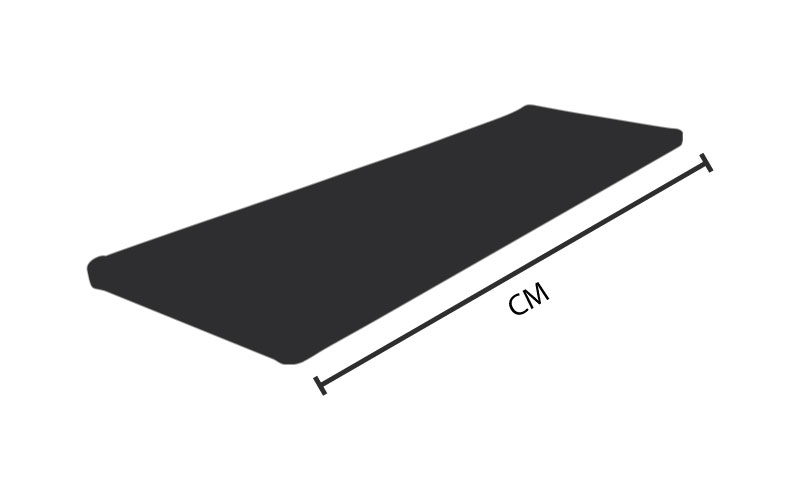
Width:
The typical width of an airtrack is 1 meter wide. This is the ideal width for making single or whole series of jumps.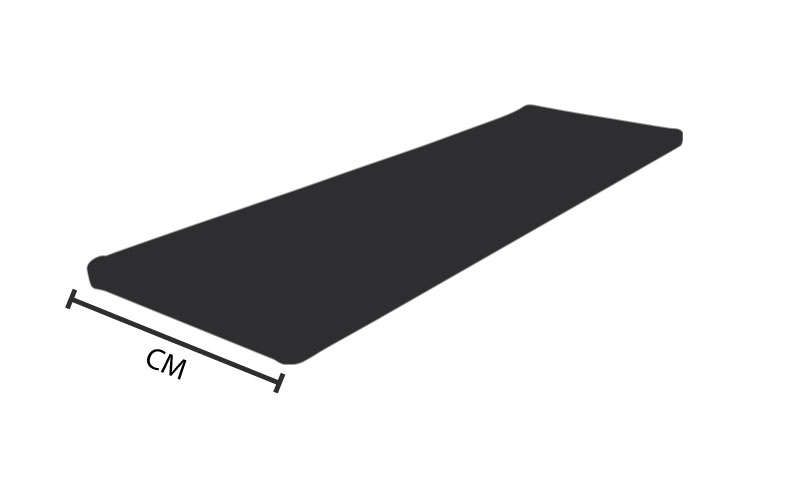
Thickness:
The thickness of an airtrack is typically 10-20 cm. Here, 10 cm is the most common for "hobby airtracks". An airtrack of 20 cm is intended to be able to take a higher load, and is therefore intended for young / adult gymnasts.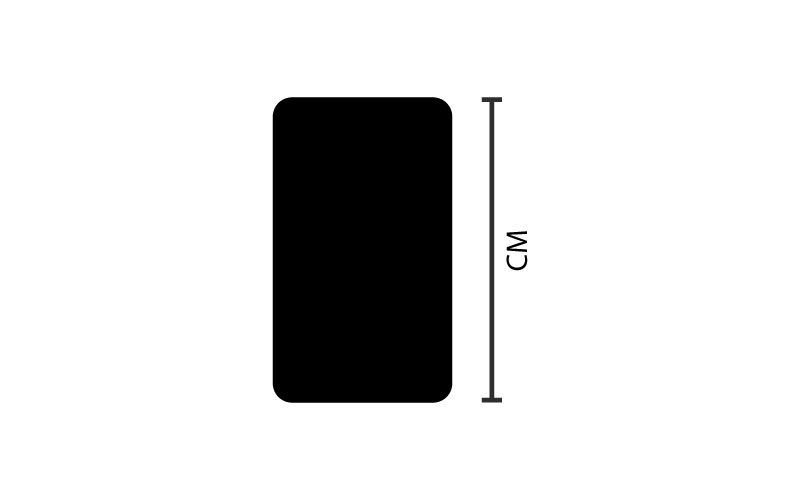
Construction:
Airtracks are either built with Single Rail or Double Rail . Here, the latter is the tallest construction for an airtrack, and the durability is therefore significantly longer than on a regular single rail airtrack.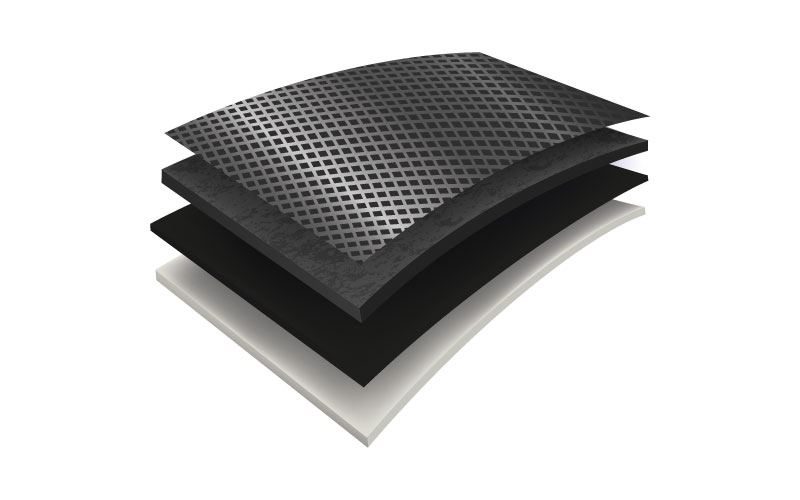
Volume:
Volume is given in Liter (L), and is the number of Liter an airtrack can hold.
Weight:
The weight on an airtrack, excluding accessories or add-ons.
Pump:
All airtracks are inflatable and must therefore be inflated before use. When buying most airtracks, a pump is included. Some of the big brands like Story have included electric pumps on their top models of airtracks - However, other brands might include a standard hand pump in most cases.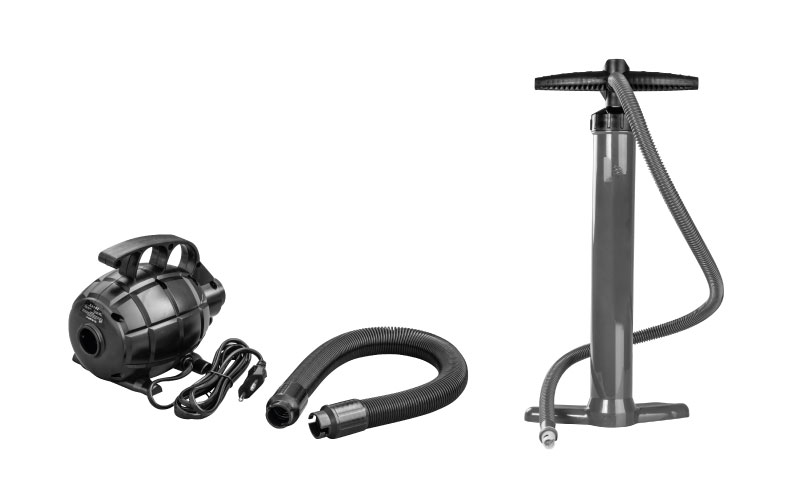
Bag:
For most airtracks, a bag is included, this is smart for when you need to transport your airtrack.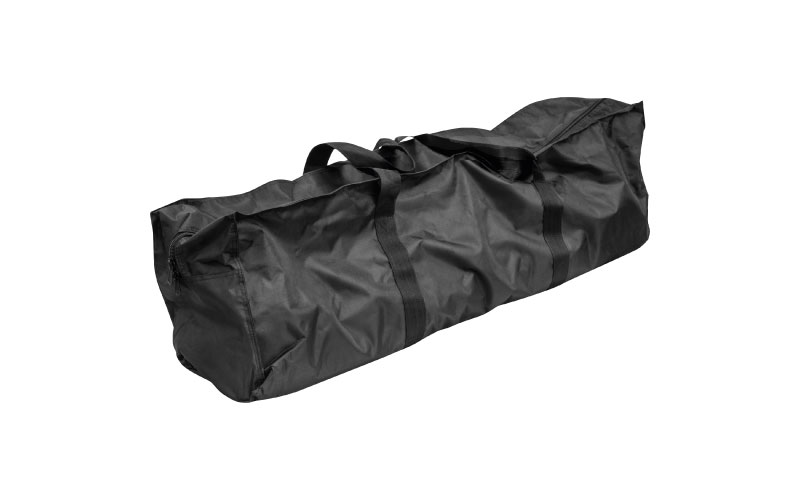
Max load:
The maximum user load for an airtrack is essential for the warranty and durability of your airtrack. The maximum user load must not be exceeded as this may damage your airtrack.
Interconnection system:
On some airtracks there is an interconnection system, so you have the option of connecting 2 or more airtracks together. This is smart when you want a long airtrack track so you can practice your long series of jumps.
Handle:
A handle on your airtrack is good to have for when you need to transport it around.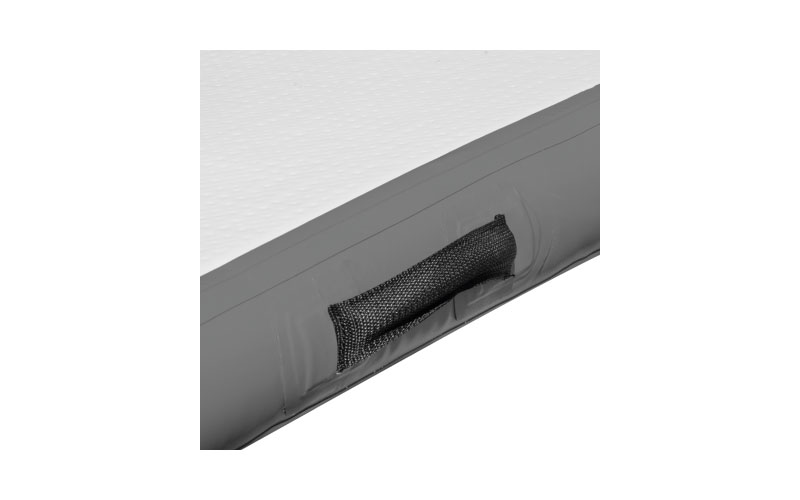
Startup:
Startup refers to how you start your electric scooter. Some electric scooters rely solely on electric motor power to get going, while others need to be kick-started. This works by giving it a quick push with your foot, and then you can use the electric motor.Max Speed:
Max speed is the highest speed the electric scooter can achieve. It's a good idea to familiarize yourself with local laws and regulations regarding the allowed maximum speed for electric scooters in traffic. There can be significant differences in this regard from country to country and even from city to city.Max Range:
Max range is how far the electric scooter can travel on a full charge. Most electric scooters today have ranges of several kilometers. So, if you charge regularly, you should never suddenly run out of power while commuting from point A to point B. The maximum range is also affected by weight and inclines.Charge Time:
Charge time is the approximate time it takes for the electric scooter to be fully charged. If you plug in your electric scooter at each or most of your destinations, it will naturally take less time than if your electric scooter's battery runs completely out of power. Most electric scooters take 3-5 hours for a full charge.Max Load:
Max load refers to how much weight the electric scooter can handle for optimal performance. Exceeding the maximum load can affect speed, range, and ultimately the durability of the electric scooter. Therefore, it's recommended to always be aware of the weight limit of the electric scooter you choose.Total Height:
Total height is the overall height of the electric scooter from where the wheel meets the ground to the highest point of the handlebar. When it comes to the height of an electric scooter, it mostly depends on your own preferences. However, you should choose an electric scooter that is comfortable to use when traveling between destinations.Weight:
Weight is the total weight of the entire electric scooter. Electric scooters are heavier than regular scooters because they include both the battery and the motor. There are regulations and laws regarding the maximum weight an electric scooter can be, so make sure you comply with applicable rules and laws in your area.Deck Length:
Deck length is the total length of the electric scooter's deck surface. The length of the deck determines how much space you have for your feet. For those traveling longer distances between destinations, it may be advantageous to have more space for a more comfortable ride.Deck Design:
Deck design refers to the design of the electric scooter's deck. There are different types of designs, primarily one-piece, two-piece, and foldable designs. A one-piece deck design is the most durable, whereas a foldable design allows you to fold your electric scooter for easier transportation.Suspension:
Suspension ensures a significantly better driving experience and comfort on all your rides with an electric scooter. Additionally, suspension also provides greater safety, allowing the electric scooter to be driven comfortably on various road surfaces with unevenness, bumps, and potential potholes.Wheel Diameter:
Wheel diameter is the size of the wheels on your electric scooter. Generally, the wheels of electric scooters are larger than other types of scooters to ensure a more comfortable ride at speeds of around 20 km/h on various road surfaces.Wheel Type:
Wheel type refers to the type of wheels the electric scooter has. High-quality wheels for electric scooters are typically made of puncture-proof tires. In addition to puncture-proof tires, you can also find tires that need to be inflated with air. These require a tire pump. For those who love nature, there are off-road tires available for riding on gravel and muddy roads. And if you're interested, you can even get winter tires for your electric scooter. Generally, the most important aspect of electric scooter wheels is that they provide a good and safe driving experience.Max Ascent:
Max ascent refers to how steep an incline or, more accurately, how steep a hill the electric scooter can handle. Most high-quality electric scooters can handle an ascent of 10-20%. If it's steeper, you'll notice your speed gradually decreasing. If it's too steep, you may end up having to walk and drag your electric scooter the rest of the way up. Your weight can also play a role in how well an electric scooter handles a steep hill.Battery:
The battery is an important component of your electric scooter, as it stores the energy that allows it to run. Different electric scooters use different types of batteries, each with their specific power capacity and performance. The lifespan of a battery can be maintained somewhat by smart charging practices, such as charging it before it's completely drained. It's also a good idea to store your electric scooter in rooms with moderate temperatures, as too cold or too hot temperatures can affect the battery's performance.Brake Type:
For safety reasons, electric scooters typically have more than one brake installed. This can range from an electric brake to a flex fender at the rear wheel. An electric brake is located at the handlebar and is effective for quick and safe braking. Flex fender brakes are useful for gradually reducing speed and better controlling your pace. With speeds of up to 20 km/h, it's extremely important to have safety measures in place, so you should always ensure that your electric scooter's brakes are working optimally.Assembly:
Assembly refers to whether you receive your electric scooter fully assembled, partially assembled, or as a set of parts that you need to assemble yourself - typically with accompanying standard tools. Most often, your electric scooter will come fully assembled and ready to use, but it's still a good idea to check that all screws and components are tightened properly.Lighting:
In most countries, it's mandatory to have lights on your electric scooter, both in the front and rear. Additionally, the front light must emit white or yellow light, and the rear light must be red. Without these front and rear lights, it's generally not legal to venture out into traffic.Reflectors:
Reflectors, like lights, are also mandatory to have on your electric scooter in most countries. Reflectors must be placed both in the front and rear, and on each side of the electric scooter. Front reflectors must be either white or yellow, and rear reflectors must be red. Without reflectors, it's not legal to venture out into traffic.Bell:
A bell is useful to have on your electric scooter, as you'll typically be riding among cyclists. It's a good idea to be able to signal if you're passing by faster than others or if you're warning others that you're approaching. This ensures safety for everyone in traffic.Kickstand:
A kickstand is for when you've reached your destination and need to park your electric scooter for a while. The kickstand also benefits your electric scooter, as you can prop it up neatly and aren't forced to let it lie around on the ground. With a kickstand, your electric scooter will mostly stand much better than if you lean it against a wall or similar surface.CE-Certified
If a product is CE-certified, it means that the product complies with EU law in relation to common requirements and conformities for this type of product. A CE-certified product has been through a number of tests and passed all of them adequately. Therefore, you can be sure of a higher quality and safety when purchasing a CE-certified product.
SGS-Certificate:
An SGS certificate is a confirmation of a product's quality and integrity performed by SGS - known globally for certifications and professional product testing. Products with a CE-mark issued by the SGS certification service indicate that these products have gone through a number of different tests and testing methods, which are in accordance with various requirements and standards these product classes / groups must comply with. Furthermore, an SGS certificate confirms that every single part of the product has been tested to the utmost to ensure an incredibly high quality of durability and functionality. Each product is part of a product class or product group, each with its own CE-marking ID number. This ID number can be used by you as a consumer to legitimize the certification and find further information about what the product you are buying is approved for.Total height:
The total height of the entire scooter. There is no right or wrong in relation to height of a scooter. Generally one can say that low scooters are oriented to technical tricks, whereas high scooters are for transport and comfort. Some scooters can be adjusted to suit you and your needs.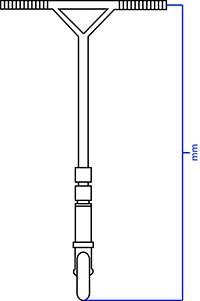
Weight:
The total weight of the scooter when it is complete. Heavier scooters are often made of a material, such as steel, which increases the durability and longevity. Where scooters made of lighter materials, such as aluminum, is lighter as well as easier to transport along with you. Whether you should choose one or the other depends on how much you are willing to spend and what you will be using the scooter for. A scooter does for example need to be able to stand through most and it would therefor be clever to buy it in a durable material.
Deck design:
There are three types of deck design: one-piece, two-piece and foldable. One-piece decks are very durable since they are made of welded parts, whereas two-piece decks are put together with bolts. The advantage of two-piece decks is that they are often able to fold, and some models have headtubes which gives the possibility for different angles. A foldable design makes it possible to fold the scooter together so that it can be quickly taken under the arm or on the shoulder. There are many different functions and systems for foldable scooters. If you need your scooter for commuting between the bus, train, car or just for getting around, a fast and easily foldable system is an advantage. You will quickly experience that this feature makes a difference whether you use your scooter to take with you on the trains, buses, etc.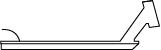
Deck material:
The deck of the scooter is usually made of aluminum, as it is a very lightweight and durable material. The aluminum is relatively soft, therefore, it will be mixed with other metals. Aluminum is divided into alloys in which the value is determined by the mixture of metal. Higher alloy provides more durable product material.Material strength grade:
The strength of aluminum is measured in tons, how many tons the aluminum is pressed under. A scooter deck of T4 aluminum is produced under 4 tons of pressure, where T6 means that it has been pressed under 6 tons. The more tons the metal has been pressed under, the stronger the scooter.Deck length:
The total length of the deck's surface. The length of the deck decides how much space you have for your feet on the scooter. The longer a deck, the more space you have to stand on, where the shorter a deck, the less space you got to stand on.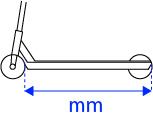
Deck width:
The total width of the deck's surface. The width decides like the length of the scooter's deck, how much space you have to stand on for your feet. An example of width would be if you could have both feet next to each other on the scooter's deck surface or not. Besides that you need to have enough space to accelerate without losing your balance.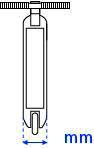
Scooter LED Lights in Deck
LED lights are integrated into the deck, providing extra visibility and a light effect while riding in low-light conditions. The lights are powered by batteries placed underneath the deck.
With battery: The LED lights are powered by batteries located underneath the deck, which can be replaced when needed.
Scooter LED Lights in Handlebar
LED lights are integrated into the handlebar, providing extra visibility and making the scooter easier to spot in low-light conditions. The lights are powered by batteries placed underneath the deck.
With battery: The LED lights are powered by batteries located underneath the deck, which can be replaced when needed.
Compression:
The compression system is the system that keeps your fork tightly to the headtube of the deck and reduces the slack that all scooters will suffer from the time they are being used. Thus is it with scooters and thus is it with everything actively used outside.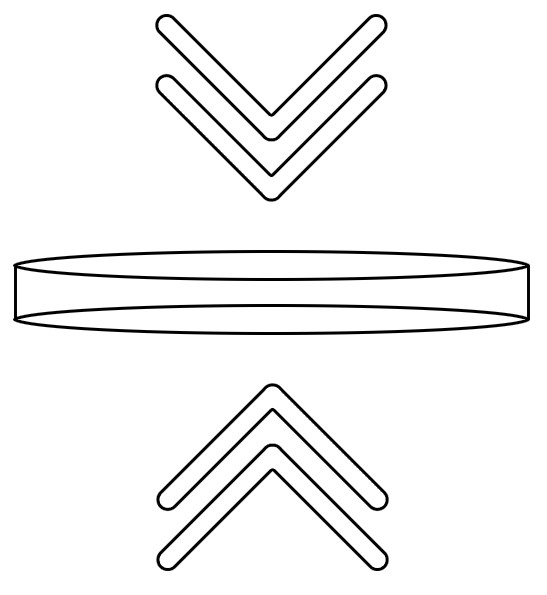
Fork:
Forks can be divided into two main groups: one-piece of two pieces. One-piece forks is molded or cut from one piece of metal, it gives the fork fewer weak points compared to two-pieces forks which is composed of several parts. Furthermore, the forks can be divided into forks with or without thread. Threadless forks requires a compression kit.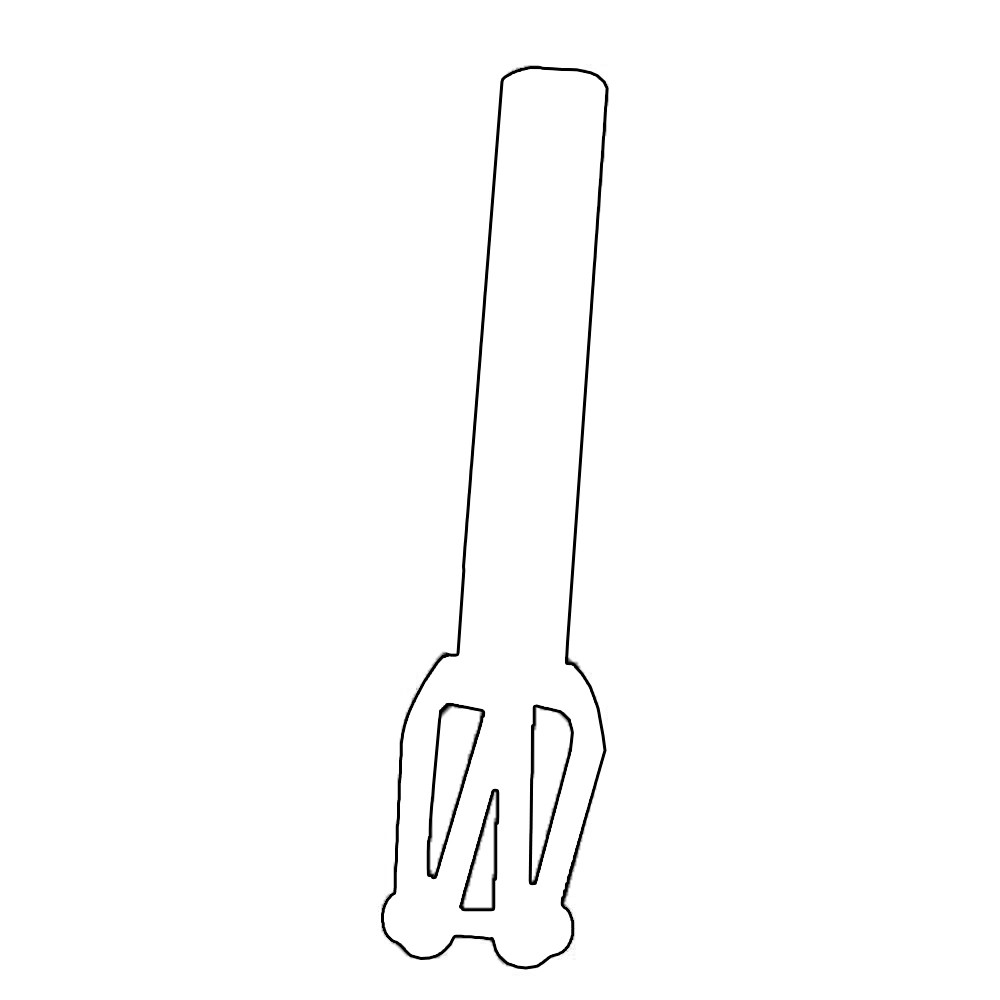
Headset type:
The headtube of the deck determines which headset-type the scooter is using. An integrated headset is more protected and durable than a non-integrated headset. A non integrated headset sits inside the headtube, therefore it is more fragile than the integrated headset.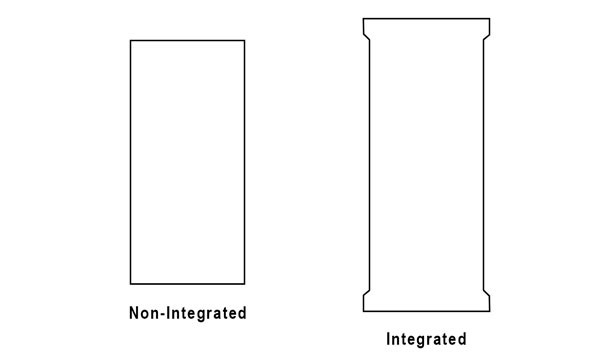
Bar material:
Steel is a very strong and a durable material. Bars made of steel is very strong, but also much heavier than bars of aluminum. Steel bars caters more for scooters driven hard. Such scooters would be stunt scooters, which have to take a lot of hard impact when performing tricks. It is therefor a clear advantage if you buy your stunt scooter in a durable material.Bar height:
The total height from the bottomof the bar to the middle of the handlebar. it is recommended that the height of the bar fits the rider. Some scooters can be adjusted by you to fit your height, while other scooters comes in fixed heights, where you then will have to pick the one most suitable for your height. The reason for this is that a stunt scooter needs to be able to take punches during tricks, so if the bar is adjustable on your tricks scooter, it will become weaker and possibly give you trouble, when performing tricks.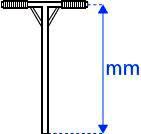
Bar width:
Different widths of bars suits different riding styles. With air tricks you have far more control of the trick with a wide bar, a narrow bar is better suited for technical tricks. Thus, the bar's width have to suit your skills, and it may therefore be worth considering what the scooter primarily will be used for.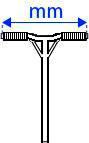
Outer diameter:
The bar's outer diameter is what determines the type of clamp which will fit. Thus it is recommended that the bar's outer diameter fits the clamps inner diameter. Note however that some clamps can be used in both standard bars and over sized bars.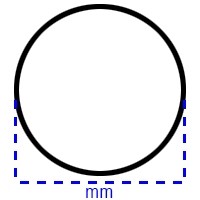
Inner diameter:
The bars inner diameter determines the fork that fits. Whether it is a one-piece fork or a two-piece fork depends on what you imagine yourself using the scooter to. The smart thing about a two-piece fork is that it often can be folded together, which can be practical for carrying with you on the bus or the train, where with a one-piece fork the great thing is the durability, which makes it perfect for stunt scooters.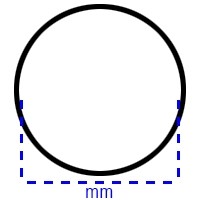
Wheel Diameter:
The size of the wheels should depend on your riding style. If you have a lot of focus on the driving experience with good flow and speed, go for bigger wheels, whereas choosing smaller wheels if you go for quick response and better control. However, it is important that the diameter of the wheel fits with both the front fork, deck and brakes.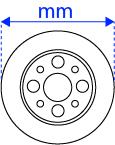
Wheel Hub width:
The most common wheel hub width for pro scooters is 24 mm. The hub width of the scooter determines what size wheels can be mounted on the scooter.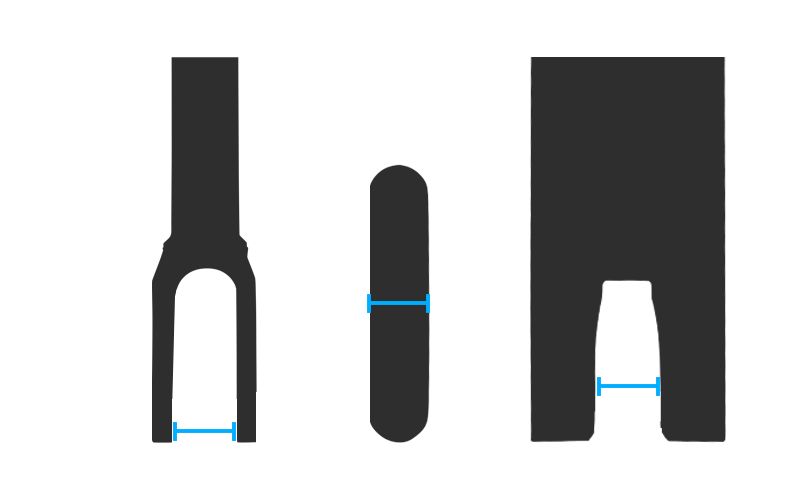
Wheel hardness:
The hardness of a wheel is measured on the durometer scale that goes from 0 to 100 A, where 0 is the softest and 100A is the hardest. Harder wheels last longer and run faster, but are less comfortable on uneven grounds than soft wheels. Softer wheels do however wear away faster, but have a good grip and are perfect for parks and indoor use.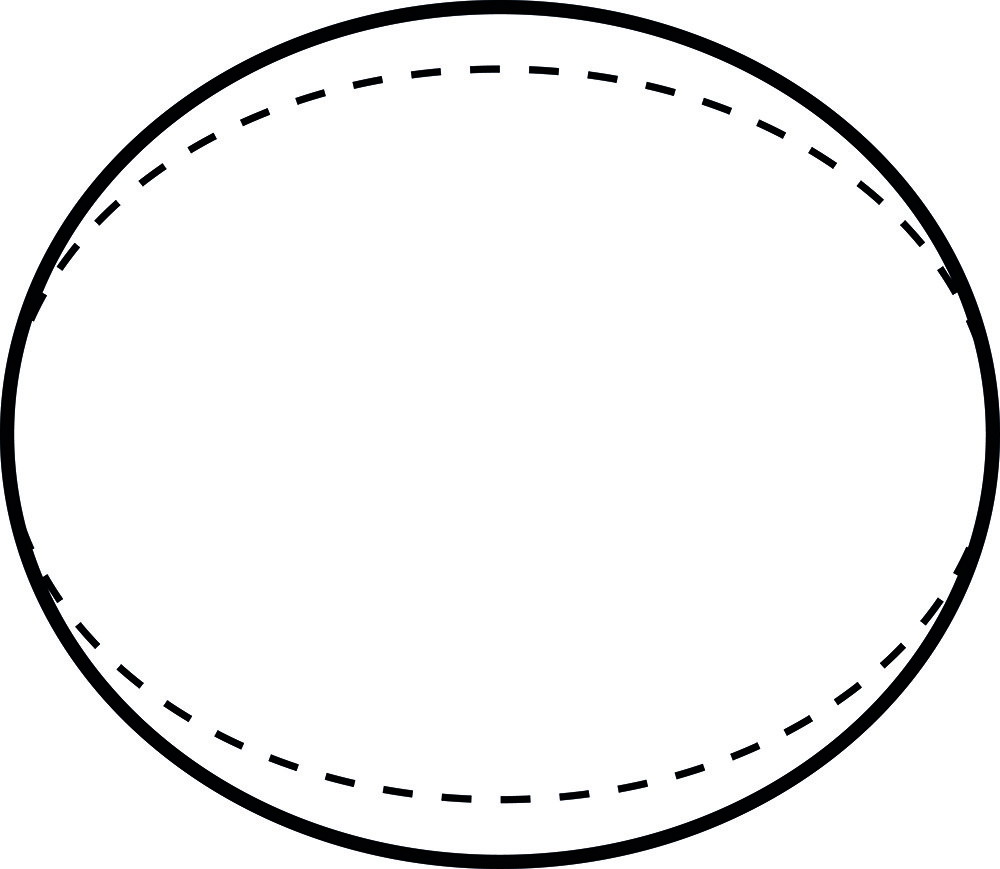
Core material:
Aluminum and nylon wheels each have their qualities. Aluminum wheels are the strongest but nylon wheels are the lightest. Whether it should be the one or the other depends mostly on your choice for what you will use the scooter for. It is smart to have stronger wheels for outdoors tranportation and if you want to do tricks.Wheel design:
There are different core designs: solid and spoked. Solid core wheel is relatively heavy wheels for scooters, but their weight also provides a lot more durability and strengthens the wheels. Spoked wheels are lighter wheels for scooters, which therefore leads to a less durable and strong wheel.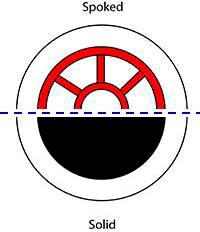
Wheel profile:
What a flat profile does is it provide the absolute best and highest possible grip for scooters to achieve, where as what the narrower profile does is that it allows a lot more speed. The fork shape must match properly with the scooter wheel's profile.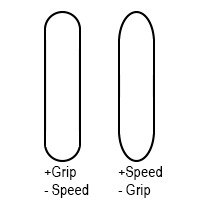
Bearings:
Bearings are divided into ABEC. High ABEC values mean that the bearing is made with more precision and therefore better quality. It is recommended that your ABEC-value is high for higher speeds and lower if your wheel have to take a lot of impact, like the impact you would expect if you decide to use it for tricks.
Features:
Features are some special or additional features and elements a product may contain. This may, for example, be that a scooter is equipped with several systems for braking, an adjustable bar, side stands and a carrying strap to make it easier to carry your scooter. In addition, features can also be smart design choices that your scooter got - for example, whether it is CNC-cut or whether it might be electrically driven.
Safety Test – EN 71
EN 71 is a European safety standard specifically designed for toys, including kids' stunt scooters. It ensures that the product meets strict requirements for mechanical safety, chemical composition, and overall child safety. The test evaluates the scooter for potential hazards such as sharp edges, small parts, and toxic substances, ensuring it is safe for children to use. A scooter that meets the EN 71 standard offers parents peace of mind, knowing it is built for safe and responsible use by young riders. Read the full test here.
Assembly:
Almost ready to run or ready to run. Always check the scooter before use, and be aware that it is different, how you receive your scooter. if your scooter is coming complete, it is completely ready for use, whereas if it is only partially complete, then there will be few parts that need to be tightened and assembled, which must be done with standard tools.
Max Load:
Max load is the manufacturer's recommended load of weight on product. This set out for their knowledge and assessment of the product so that the service life is not reduced.SUP Surfing / Kayak:
When choosing a wetsuit for SUP surfing or kayaking, the most important thing is flexibility.The reason for this is because you should have ample opportunity to move freely without effort as a result of the wetsuit. Since you would otherwise get tired faster and would not be able to paddle and row as far. Therefore, you must have a wetsuit that fits as if painted on your body while still not too thick, as this will allow the most optimal flexibility possible. These wetsuits can be a lot more expensive, but the performance you get from it is also so much better.
In addition to SUP surfing and kayaking, you are most interested in knowing something about the air temperature and the wind conditions, seeing as you typically spend most of the time on the water, and not in the water. You often want to have as little wind as possible, but this depends on the type of SUP surfing you want to perform. Therefore, thinner wetsuits can be used for most months as you will achieve more flexibility and less resistance over your shoulders when paddling or rowing.
Paddle Surf:
For paddle surfers, the flexibility and warmth are the most important factors in getting the most out of the sport. You need high movability to be able to paddle on your board. Therefore, it is advantageous to choose a wetsuit that is flexible around your shoulders. Most often paddle surfers choose wetsuits with 3mm or less at the shoulders/arms and several millimeters around the legs and abdomen. Typically, the wetsuits chosen for paddle surfing are called 5/4/ 3mm.Windshield is not as important as you are in the water.
However, the water temperature also plays a role, since you are constantly in contact with the water. Therefore, if it’s cold water you should choose some thicker but still flexible wetsuits as you have to be able to move properly.
Kitesurfing / Windsurfing:
In Kitesurfing and Windsurfing you need a strong wetsuit, which also has wind gusts (wind shield) at the chest. This is because the wind shield gives warmth and minimizes the cold that penetrates the wetsuit when you are standing upright during your sessions. If you are more into freestyle kitesurfing, you will also benefit from a flexible wetsuit in the arms, as it will make it easier to perform your tricks and wild maneuvers. Often you will choose a wetsuit with distributed millimeters, for example 5mm on the stomach, 4mm on the legs and 3mm on the arms. The wetsuits can be called 2/3/4 mm, 1/2/ 3mm or 3/2mm wetsuits.As a kitesurfer or windsurfer, the cold index, also called the wind cooling factor (real air temperature felt on bare skin), is an important thing to think about before moving out on the water. The water temperature is less important, as you spend much of the time on top of the water.
If it’s very cold air temperature, you need a thicker wetsuit, but if the air is warmer you can use a thinner or short-sleeved / short-legged wetsuits. Basically, you should choose a thinner wetsuit with a windshield on the chest that is flexible at the shoulders and arms.
Wakeboard:
For wakeboarding you are best suited with a wetsuit that allows you to move freely. Especially if you are interested in performing tricks. You do not have too much wind as a wakeboader and most of the time, you’ll be riding on the water.If you are into the tricks embossed wakeboarding rather than pure coziness, it can be smart to get a wetsuit with wind support/protection. This is because the speed, as with kitesurfing and wind surfing, creates a fast and strong rush that can give some gusts of wind.
Whether you need a thinner or thicker wetsuit for wakeboarding, depends mostly on personal preferences and seasonal weather conditions.
Open Water Swimming:
Many athletes buy wetsuits designed for SUP surfing, as they have high flexibility and because they have less millimeters at the shoulders and legs. It can e.g. be 3mm in the shoulder, 4mm in the legs and 5mm by the torso. Many use these SUP wetsuits instead of their open water wetsuits when training for e.g. triathlon. Because they are stronger made, last longer and are less expensive. In doing so, they also protect their wetsuit for open water swimming to be used exclusively at events.For open water swimming you are in the water all the time and therefore need a thick and warm wetsuit. In addition, it must also be flexible so that you can easily swim freely in the water.
However, the thickness of the wetsuit depends on the water temperature. If it is cold water, you need a thicker wetsuit than if the water is warm.
Wind is not as an important factor, but if it blows a lot you may experience that swimming will be harder and possibly also could be dangerous.
Underwater Hunting:
For underwater hunting you need a warm and thick wetsuit, since you’ll be underwater for long periods of time, and need to stay warm throughout your hunt. Since you’ll be completely still while underwater, flexibility isn’t as important a factor as the thickness of the wetsuit is.The air temperature or the cold index does not have the great importance for those who are in the hunt for UV, but on the water temperature does.
The colder the temperature the water has, the thicker a wetsuit you need.
Allround - Casual Swimming & Fun:
If you rather just enjoy casual swimming, your wetsuit choice will depend mostly on your needs and the seasons you want to use the wetsuit. Most wetsuits can be used for this purpose without any problems, and you do not have to consider the many factors such as whether it is thick enough for casual swimming or if you use it for easy play and comfort rides on a SUP board. A wetsuit with a mid-thick and thin thickness will be optimal for most things within casual swimming and all-round fun.
Quality:
Here at Euroskateshop we assess the quality of wetsuits based on their performance, as well as the materials and methods used during the designing and production of each wetsuit.
Year:
Every year, the quality of wetsuits becomes better and better. Therefore, the optimal choice is to buy a new wetsuit to ensure you're up to date. At Euroskateshop we recommend that you only look at wetsuits that are newer than 2 years. Older models of wetsuits doesn't have the latest improved technologies and therefore won't deliver to the new standards within flexibility and comfort.
Thickness:
It's important that you choose the proper thickness for your wetsuit. The thickness of the neoprene is written in millimeters, and most often there will be different thicknesses of neoprene in different regions on the wetsuit. A wetsuit is always thickest on the stomach and legs, as you need plenty of heat for this region of your body. The thinnest region on the wetsuit is typically under the arms, as it is important to achieve good flexibility. A thick wetsuit is warm, but not as flexible as the thinner wetsuits. A thin wetsuit is not as warm as the thick wetsuits, but has a better comfort and flexibility. Most all-year wet suits are 5 mm thick.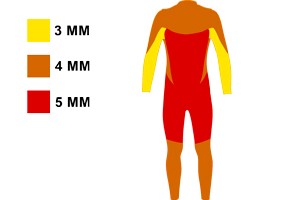
Season:
When you're looking to buy a new wetsuit, remember to decide which seasons of the year you wish to use it for. The thinner wetsuits are made for Summer, and the thicker wetsuits, which typically also have built-in hoods, are made for the Winter season. It's possible to find wetsuits that can be used all year round, and these are typically 5/4/3 mm and of good quality.
Type:
There are different types of wetsuits: shorty, fullsuit, long john, fullsuit with built-in hoods. For Summer use, a shorty wetsuit is a great choice as they are typically flexible and really comfortable to wear. A fullsuit is like the name suggests, a wetsuit that covers the entire body up to your neck. This wetsuit is the most popular and can be used all year round. Fullsuit hooded is also a wetsuit that covers the entire body up to the neck, however, on this type of wetsuit a built-in hood is added. This is a really smart detail when you need to use your wetsuit during the Winters. When the hood is built into the wetsuit, it is limited how much water gets into the wetsuit, and therefore it is ideal for winter use. A Long John is a sleeveless wetsuit that gives you plenty of body movement and flexibility. This is a very popular wetsuit for SUP surfers in particular.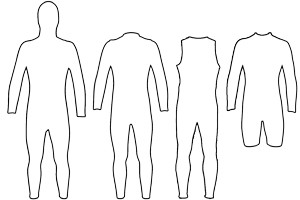
Gender:
Most of wetsuit brands produce wetsuits for both women and men. A woman's wetsuit is specially made to fit a woman's body, therefore it is most optimal for women to choose a women's wetsuit. Men's wetsuits are not really gender-based since it can actually be used by both men and women.
Zipper System:
There are various zipper systems on wetsuits: backzip, front zip, zipperless. A typical old-fashioned wetsuit features Backzip , which can still be seen on modern wetsuits. On cheap wetsuits there is always a backzip zipper, however, there are also some manufacturers who choose to have the closure system on their top models. On a backzip wetsuit you have a zipper on the back. This makes the wetsuit incredibly easy and quick to get in and out of, but the flexibility is not the best since the zipper provides one's stiffness in the back. In addition, a small amount of water and cold air can also leak through the long zipper on the wetsuit. A wet suit with Frontzip is typically a feature of a good quality wet suit. A wet suit with front zipper has the zipper seated above the chest. This means that you have plenty of flexibility in your wetsuit, and it is very limited how much water gets into your wetsuit. We recommend at Euroskateshop that you buy a wetsuit with a front zip for most sports. The relatively new system is called Zipperless , and as its name is, it is a wetsuit without a zipper. There are only a few wetsuit manufacturers who use this, and there are many skeptics around this zipper system. The advantage of a zipperless wetsuit is that you can quickly get your wetsuit off and on, as there is a large and flexible hole at the top of the wet suit. The disadvantage of this is that some water comes into your wetsuit, as the wetsuit cannot close tightly like wetsuits with a zipper.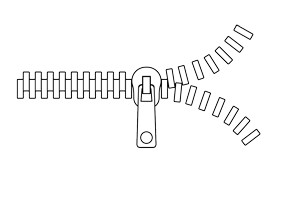
Interior material:
The quality of the interior material in your wetsuit makes a great difference. The very cheap wetsuits that you can find in building markets, for example, have incredibly poor quality of interior material. Some of these wetsuits actually just have neoprene on either side of the wetsuit. The wet suits we sell at Euroskateshop are carefully selected, and the wetsuits of poor quality have not been included in our range of wetsuits. The big manufacturers put in a soft fleece layer on the inside of their wet suits, which means that you can endure having your wetsuit on for several hours.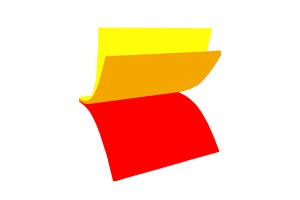
Water Temperature:
The water temperature is the measuring of how cold or warm water is. The water temperature is an incredibly important factor within water sports and should be taken seriously.However, the importance of water temperature depends on which sport you want to exercise. If you for example are deep below or in contact with the water as with diving and swimming, it is very important to take the temperature of the water into account to avoid being too cold. But if you are above the water as with kitesurfing or SUP surfing, the temperature of the water plays a smaller role.
The water temperature is measured in Celsius degrees.
Air Temperature:
The air temperature or cold index (water cooling factor) is the real air temperature felt on bare skin, when the wind blows the heat away. Some water sports are dependent on wind and therefore the temperature of the air can affect whether you get a good or freezingly cold session.In kitesurfing and windsurfing especially, you are dependent on wind. You must therefore always remember to check the wind conditions before choosing a wetsuit and moving out on the water.
Depending on how much it blows and how many degrees the weather is, you will either find yourself better suited with a thicker or thinner wetsuit.
The cold index is measured from the wind velocity and the temperature degrees in Celsius.
Paddle:
A paddle can be bought with a fixed length, which is best suited for the more experienced paddle boarders who already have been paddling on their SUP for some time. A paddle can also be bought as an adjustable paddle, which is perfect for people who just want to use their SUP for lovely trips on the water or ordinary play. There exists many types of paddles. The most common ones are the cheap aluminum paddles that usualy are 2 or 3 pieces. Besides aluminum, there are fiberglass and carbon paddles between which a fiberglass paddle is cheaper. The reason for this is that carbon paddles are must lighter and stiffer than both aluminum and fiberglass. The higher procentage of carbon, the lighter and stiffer the paddle. For all of these it goes that the more pieces the paddle is made of, the bigger friction does it cause in the water.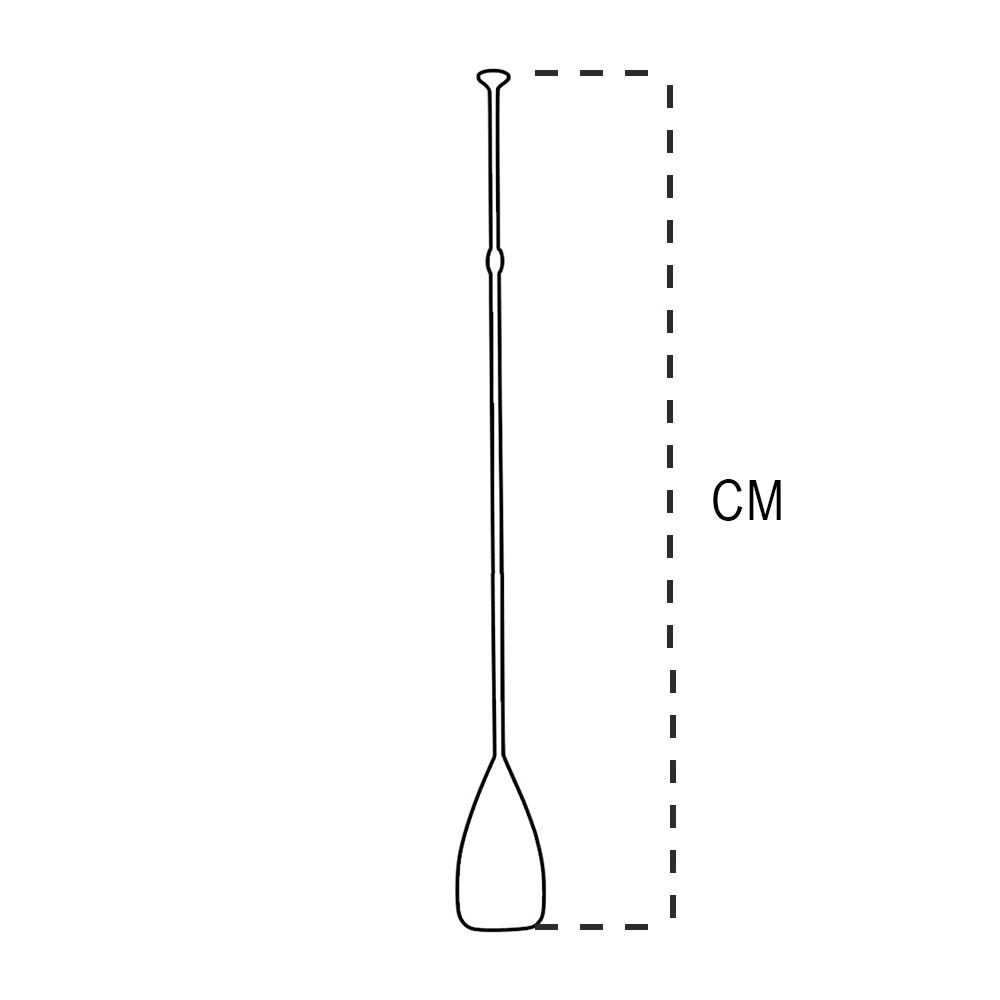
Pump:
The trend of today is the inflatable SUP boards, since they are easier to store and take along with you. To better use this type of a SUP board, one needs a pump specialized for inflating an inflatable SUP board. This pump for your SUP board comes with a pressure gauge and hose.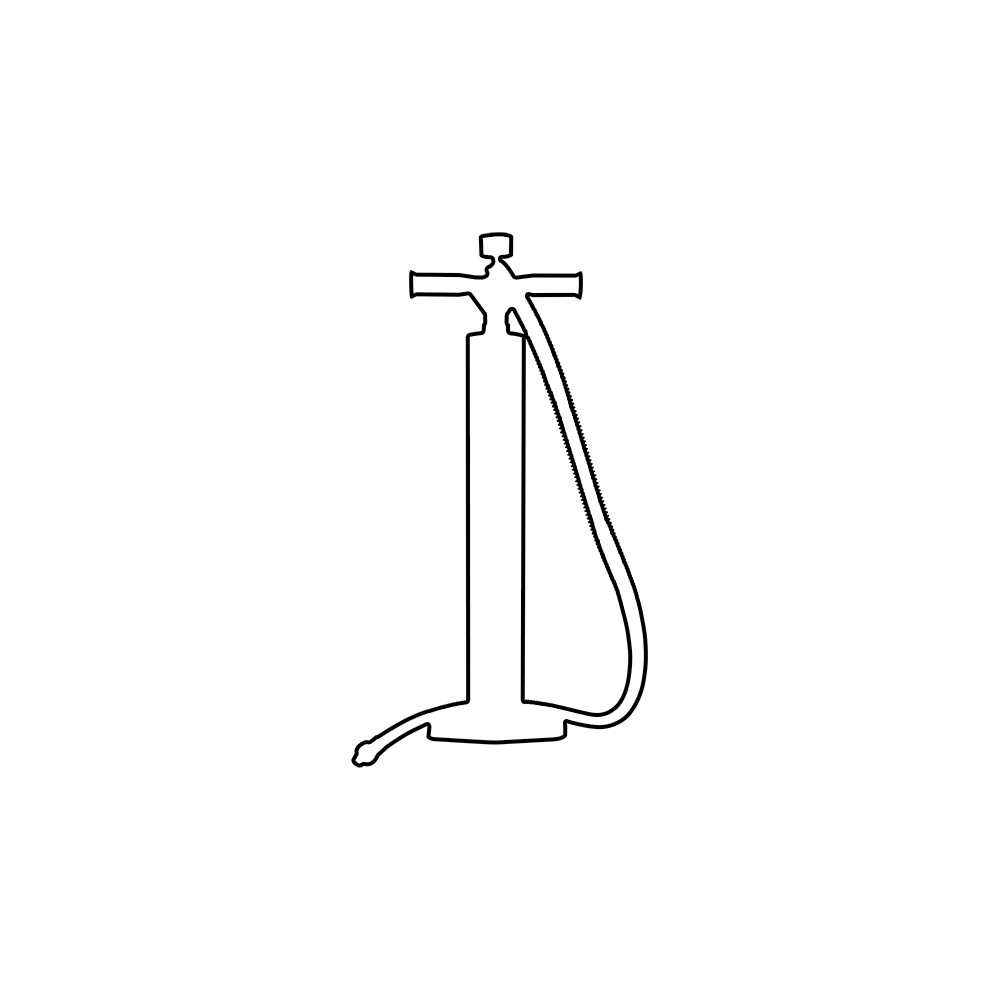
Leash:
A quite excellent and great extra thing to have at hand, when you have bought a SUP and would like to get out on the water and paddle onward, is a leash. The leash is clever to have, since you can avoid having your SUP board floating away from you, while out on the water. It is recommended that your leash is the same length that your SUP board is. A SUP leash is especially important in the waves, so your SUP doesn't get caught in the waves and starts drifting. In a windy situation a leash would also be clever, so you won't lose it. There are two types of SUP leashes. One is a long leash that suits Race and Wave paddleboarding best and the other is a kind of twist leash that suits Touring and regular paddleboarding best.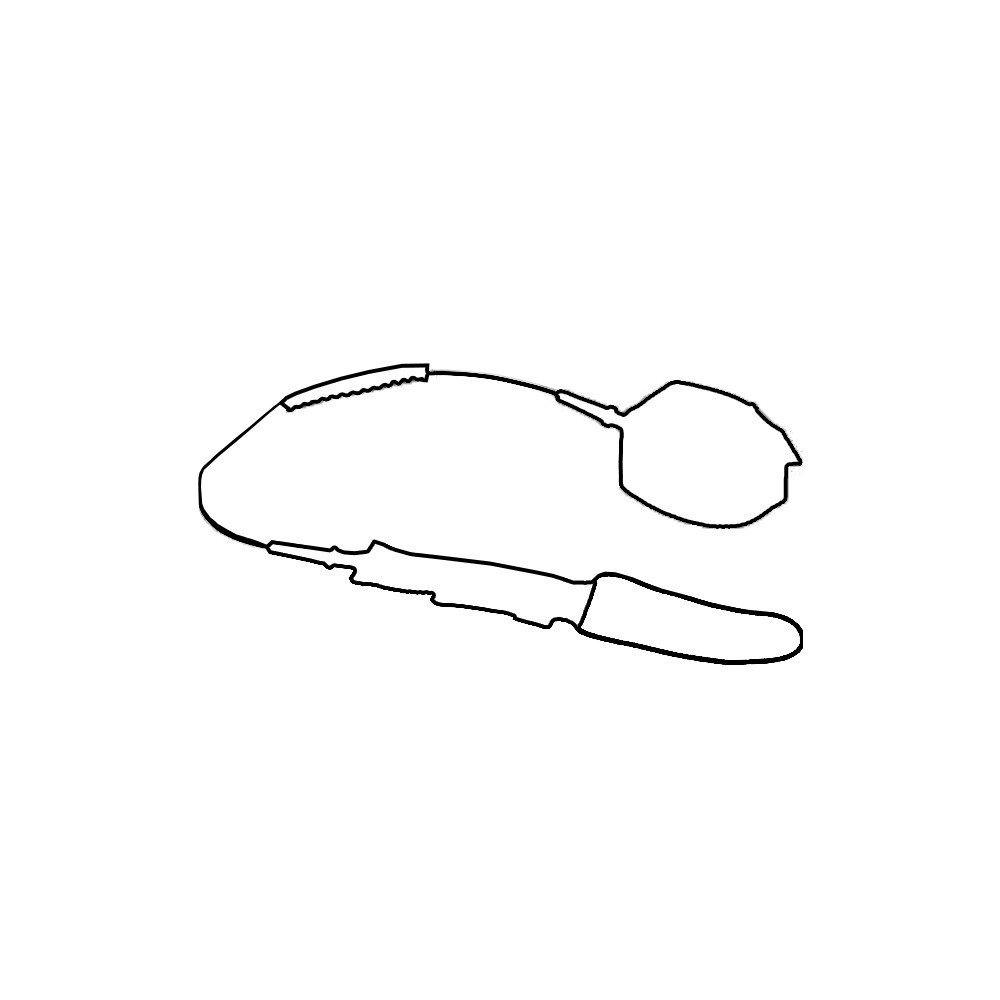
Repair kit:
It is always a good idea to look after your SUP board, in order to avoid the board suddenly giving in due to too many hits and alike, which then leads to you being unable to get out and paddle on the water. A reparations kit with various of content inside, you will be able to repair and take care of your SUP, while also having no trouble carrying these things around, should it become necessary.
Bag:
Looking after your SUP board is and will always be a very good way to insure a longer longevity. With a bag you will be able to just that even better, and on top of protecting your SUP board, transporting your SUP around will also become easier, each time you want to get out and paddle on the water for a trip.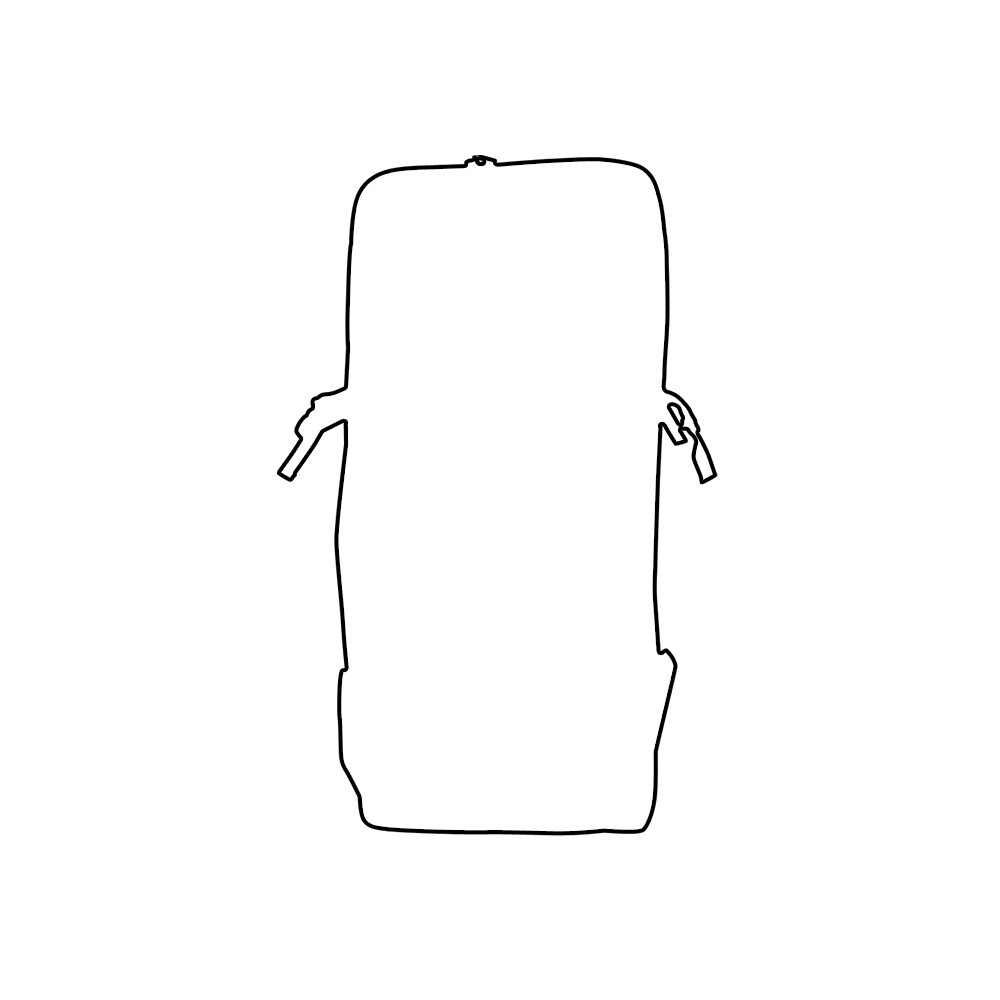
Dimensions:
Dimensions are the total size of your SUP board. SUPs for women are often 10'0-10'6. Men typically have larger sizes most often between 10'6-11'6. However, it also depends on the type of SUP sport you want to exercise. SUPs to be used exclusively for Racing are usually above 12'6, due to the narrow design compared to Allround SUPs. For Wave SUPs, the design is smaller and in most cases around the size dimension 8'0.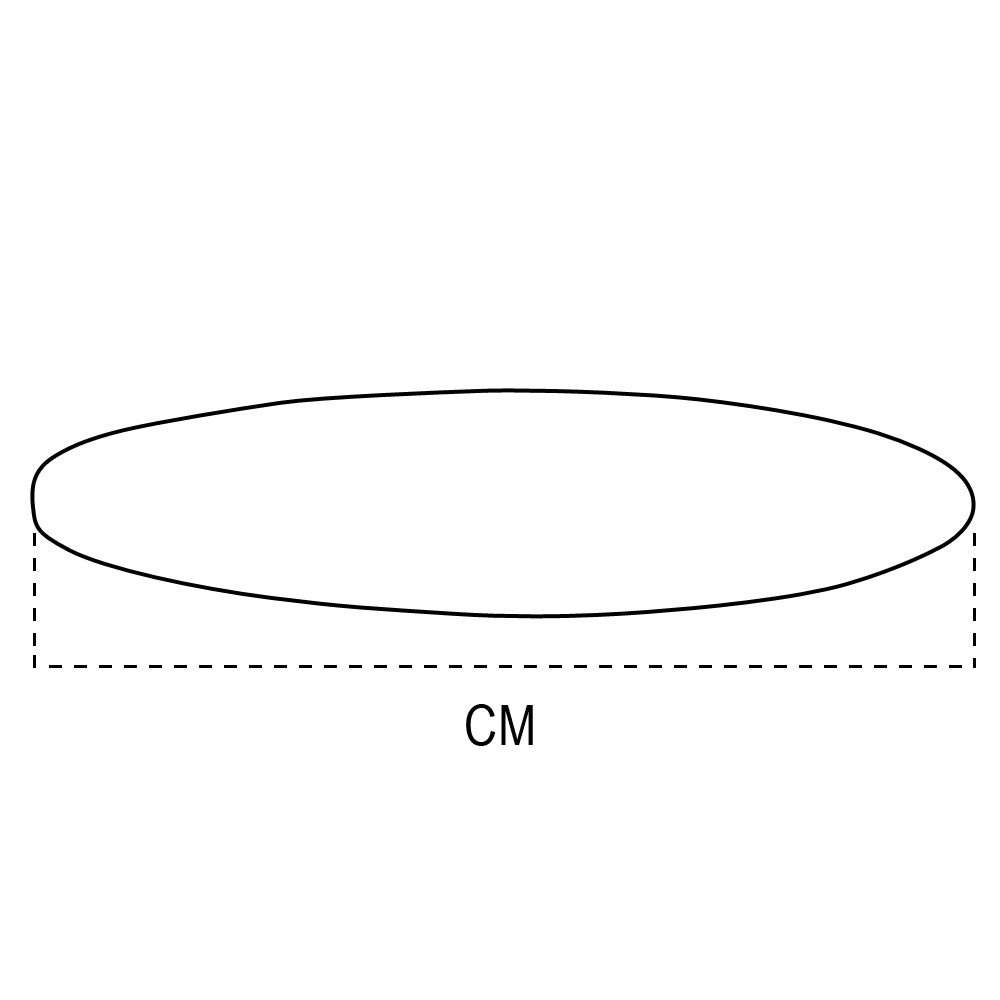
Length:
The total length of the SUP board. SUP boards comes in many lengths and various shapes. The length has great influence on the volume and stabilty of the board. When choosing a SUP, the length is not one of the most important thing to take note on, due to it typically following the SUP board volume and shape well enough. Both the volume and the shape matter more when looking for a SUP.Width:
The total width of the SUP board. SUP boards come in a lot of different widths and shapes. When looking for a SUP board the width are not as important to think about or concern oneself with too much. Simply, because the width pretty much goes hand in ahnd with the volume and shape of SUP board. Both of which are a lot more important to have in mind when choosing a SUP.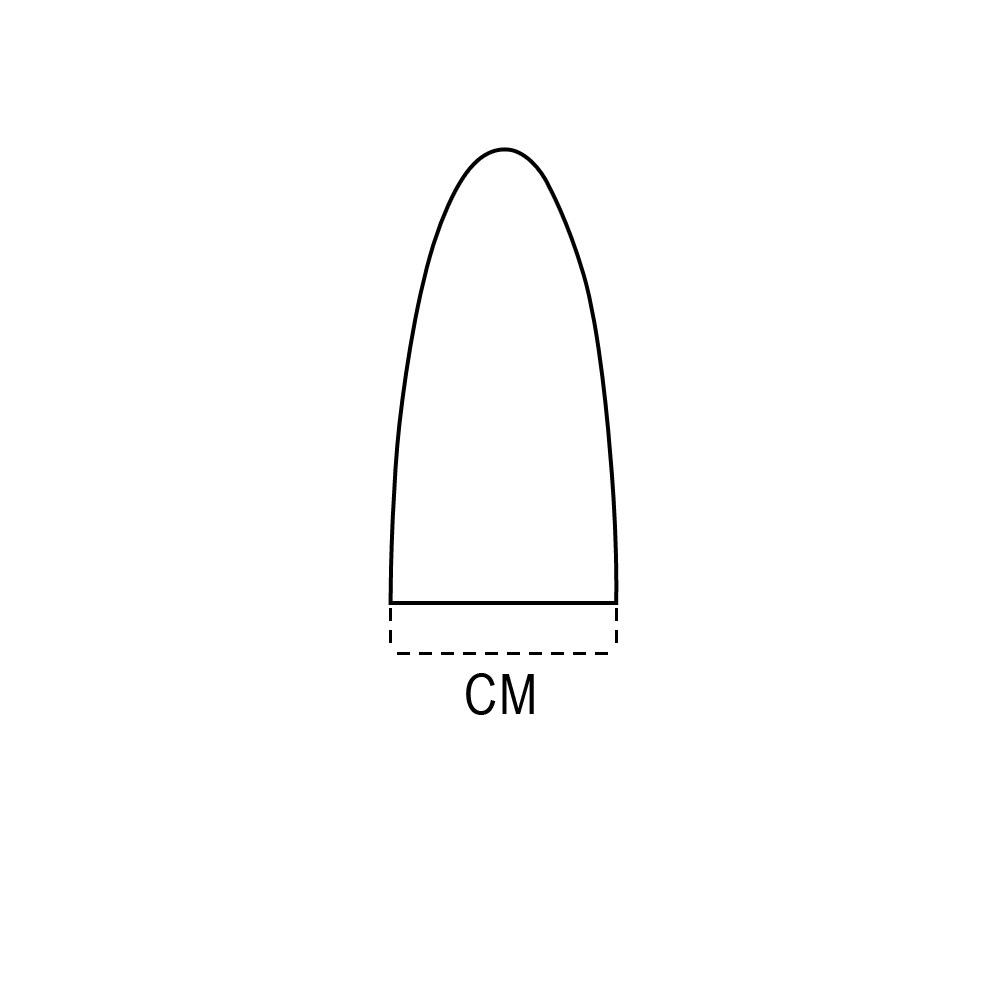
Thickness:
The total thickness measured of the SUP board. There are typically not huge differences in thickness when it comes to the thickness of SUP boards. The thicker SUP boards often weights more, which will result in it being harder to achieve the same speeds as fast as a SUP board that have a lesser thickness. Think SUP boards have greater volume which gives you better balance.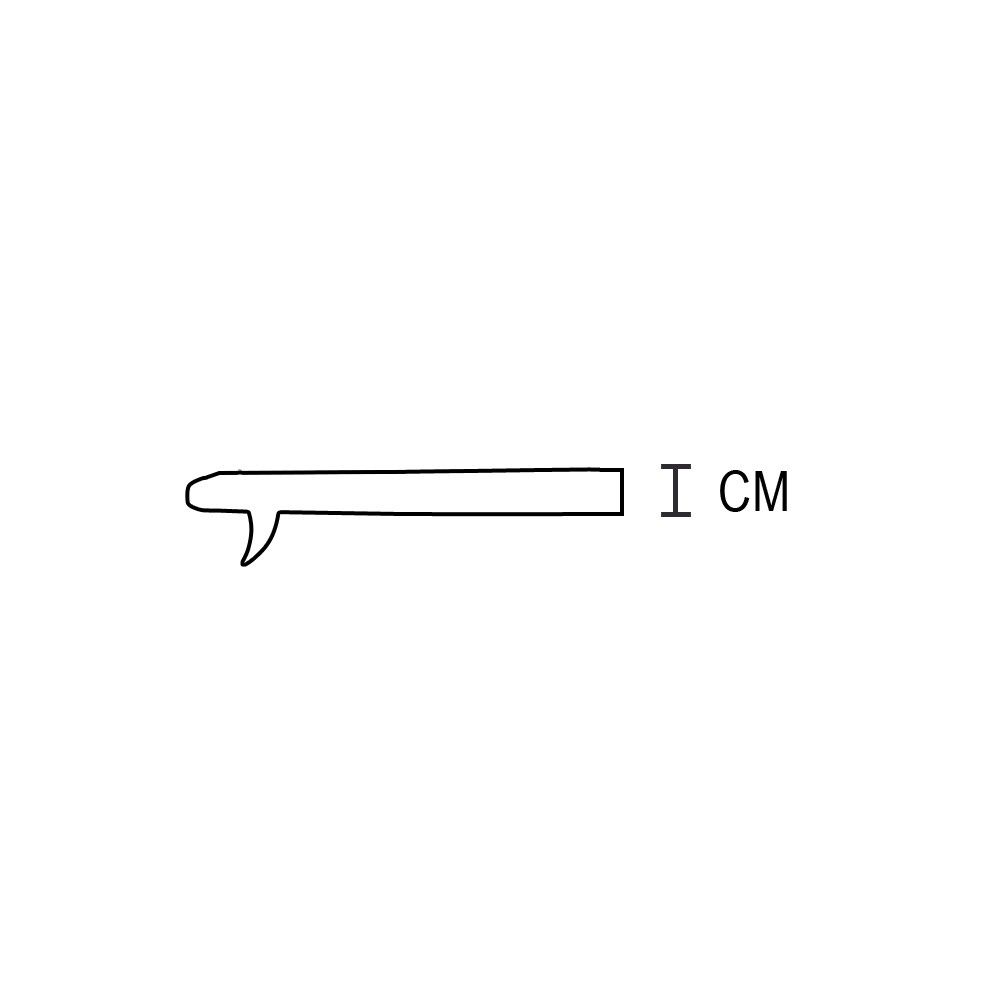
Weight:
The total weight of the SUP board. Various sizes of SUP boards will of course not weigh the same. Depending on what your SUP board will be used for the weight will play a part in your ability to perform. If you are going out into the waves, the weight will matter alot, where if you are just going for a cozy trip the weight will be less important. Inflatable SUP boards come in either single layer or double layer. Double layer SUP boards are alot heavier than single layer ones. They are also stiffer which makes them alot better on the water.
Volume:
The volume of the SUP board. The volume is a very important factor when choosing a SUP board. The reason for this is that the volume is an indicator of how much buoyancy a SUP has got. If you are a paddle boarder on the heavier side you will need a SUP board with more buoyancy. Vice versa goes the same for those on the lighter side of paddle boarders. SUP boards with a high volume are less maneuverable, therefore it is very important to choose the right SUP with the suitable volume for your weight. However if you are just using your SUP for cruising it is usually a good idea to choose one with a relativly high volume, because it helps the stability.
Recommended Load:
The recommended maximum load is an expression of what the SUP Board can handle without compromising performance. We are a team of professional surfers, in fact, we have a world champion among us. We have tested our SUP board and can therefore provide our clients with the best guidance. Recommended weight is our assessment of which kg you can use the SUP board on and off. Often, a board can handle more weight than we recommend, as our recommendation is that you get the best possible experience on your SUP board. It is also recommended to buy a SUP that is too big and can handle very much if you want to use it for cruising or touring, as you will therefore have increased stability.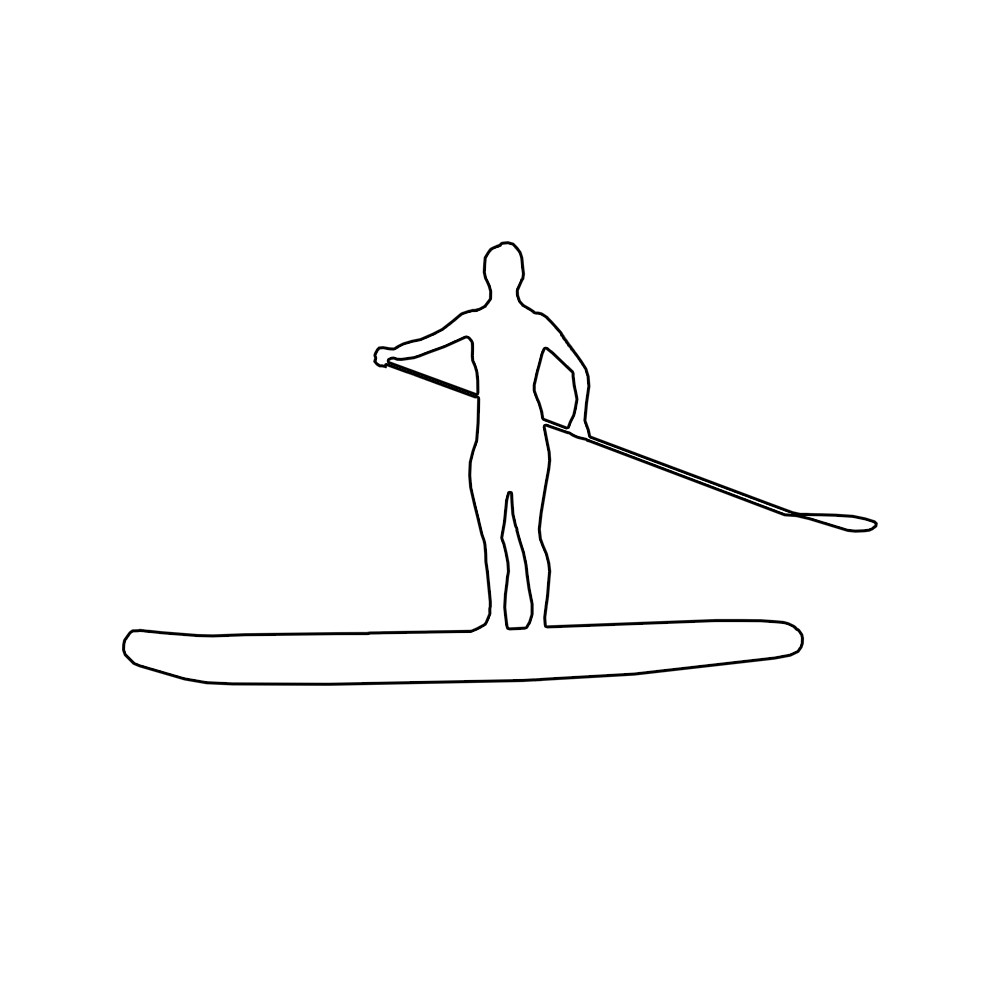
Max load:
Max load is an expression of safety. In order for a SUP board to be CE approved, a maximum load must be made for what it can handle with 100% security. There are different requirements for maximum load and some brands and parts of the world make higher demands for your safety. For example. can a Vapor SUP of xxx liters not flow more weight than another SUP board of several xxx liters. Most SUP boards can carry more than the approved maximum load, which is why you also talk about the recommended load. One last important detail about the term max load is that although a SUP board can handle 120 kg, does it not mean that the SUP can do its best with that weight, so recommended weight remains important to read about.Rider's level:
It is very important to choose a SUP board that is right for your level. Some boards are intended to be used by highly experienced practitioners, while others are more useful for multiple levels. Your SUP experience will generally improve with a board that fits you perfectly.
Flat water:
Flat and windy water without ripples, which you often experience on lakes or in rivers. Sailing on flat water with your SUP is ideal for those who want to relax and enjoy themselves on their SUP board.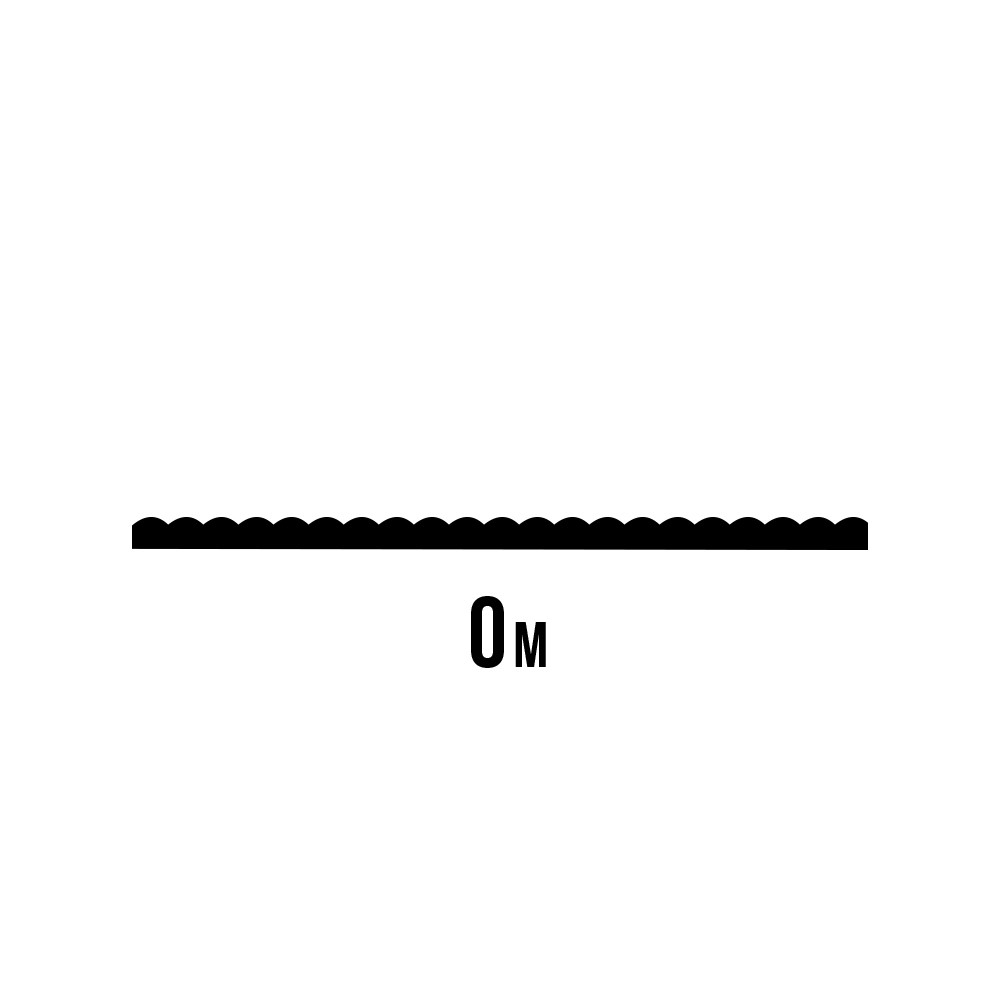
Waves 0-50 cm:
May be flat, but will usually have ripples ie. small waves / foam waves near crackles or close to the beach. These very gentle waves are the most optimal for anyone who wants to try surfing the waves and experience many hours of fun with SUP surfing.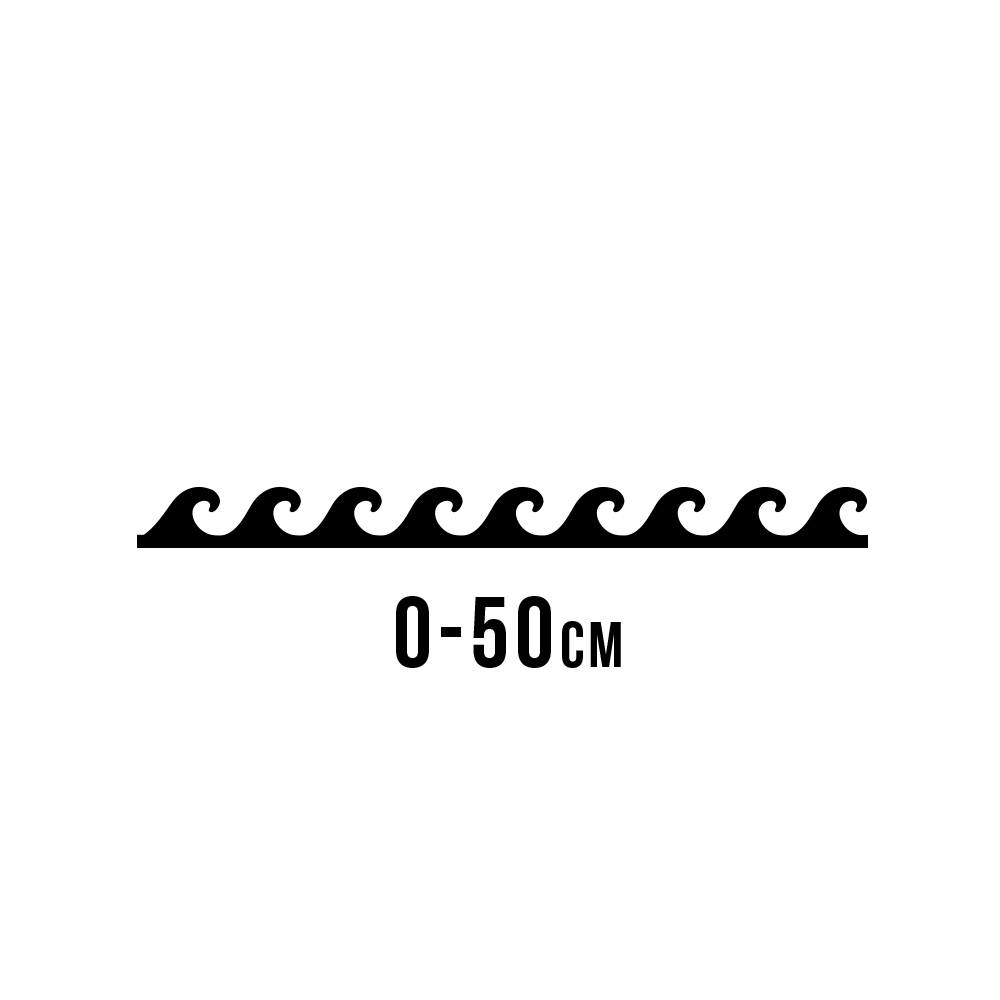
Waves 50-200 cm:
In Denmark, you will typically only experience this type of wave on the West Coast in Jutland on the open sea. It's also mostly for pro surfers who know what they can, want and need on the water. By far the fewest need this when buying their SUP board.
Race:
Race is a form of SUP surfing, where there is better momentum and more stability. That's why they're mostly for those who want to see something on their tours, also called Touring, and for those who want to move quickly from A to B. Race SUPs are more pointed and very directionally stable, which means you do not need to change as much between the sides as you paddle.
2 People:
This means that it is possible to be 2 people on the SUP as long as the recommended weight limit is not exceeded. A 2 person SUP is smart for parents who would like their child on the water or dog owners who surf with the dog on board.
Tracking:
Tracking tells something about how straight your paddleboard moves on the water. Race and Touring boards tend to glide better and faster in a more even manner than paddleboards made for Fitness or Allround. Ligther riders usually have no trouble with the tracking of their SUP, but the heavier riders can solve this problem by replacing the center fin with a rudded fin, or simply adding two side fins.
Stability:
Stability in terms of paddleboarding is about how stable a SUP board is and feels. The wider and longer a paddleboard is the more stability it has. However, the width of the SUP offsets the length a bit, so for beginners it's best to just find the proper balance between width and length. Another thing that plays a role in SUPs stability is the buoyancy. For a higher stabilty you want a SUP board that glides nice and high on the water surface, rather than the opposite. A last important factor is the boards construction. All double-layer SUPs have more stability than single-layer ones, because the thickness makes the board stronger and more solid.
Maneuverability:
Maneuverability Is measured by how well the board follows your paddling movements and turns on the water. It can be harder to maneuver a very long and heavy board, while the short and light ones easily can change direction.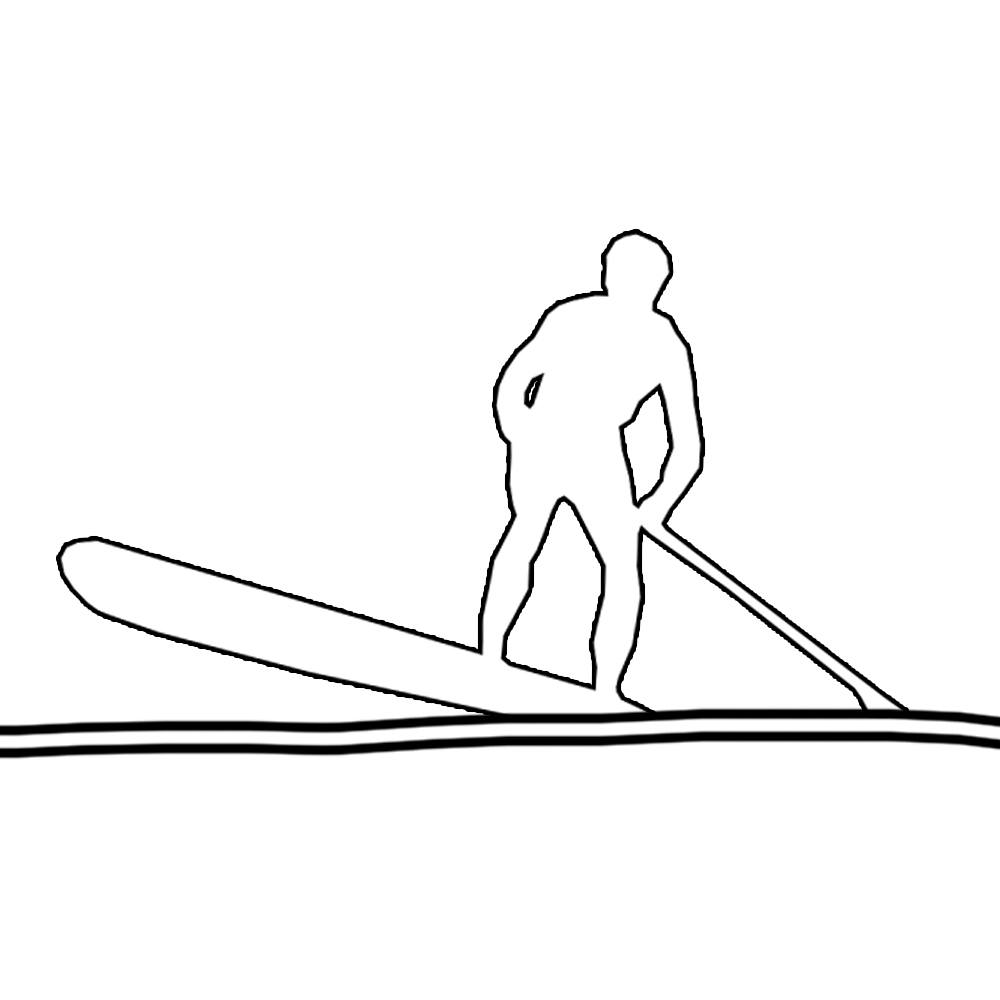
Stiffness:
Stiffness has a direct effect on the overall performance of the SUP board, so it super important to make sure yours is stiff. A SUP that isn’t stiff enough will sink into the water instead of gliding on top of it and will make your experience complicated and less joyful.We usually recommend that you buy a double-layer SUP with a standard pressure somewhere between 15-25PSI. The extra layer provides more stiffness and a better surf feel.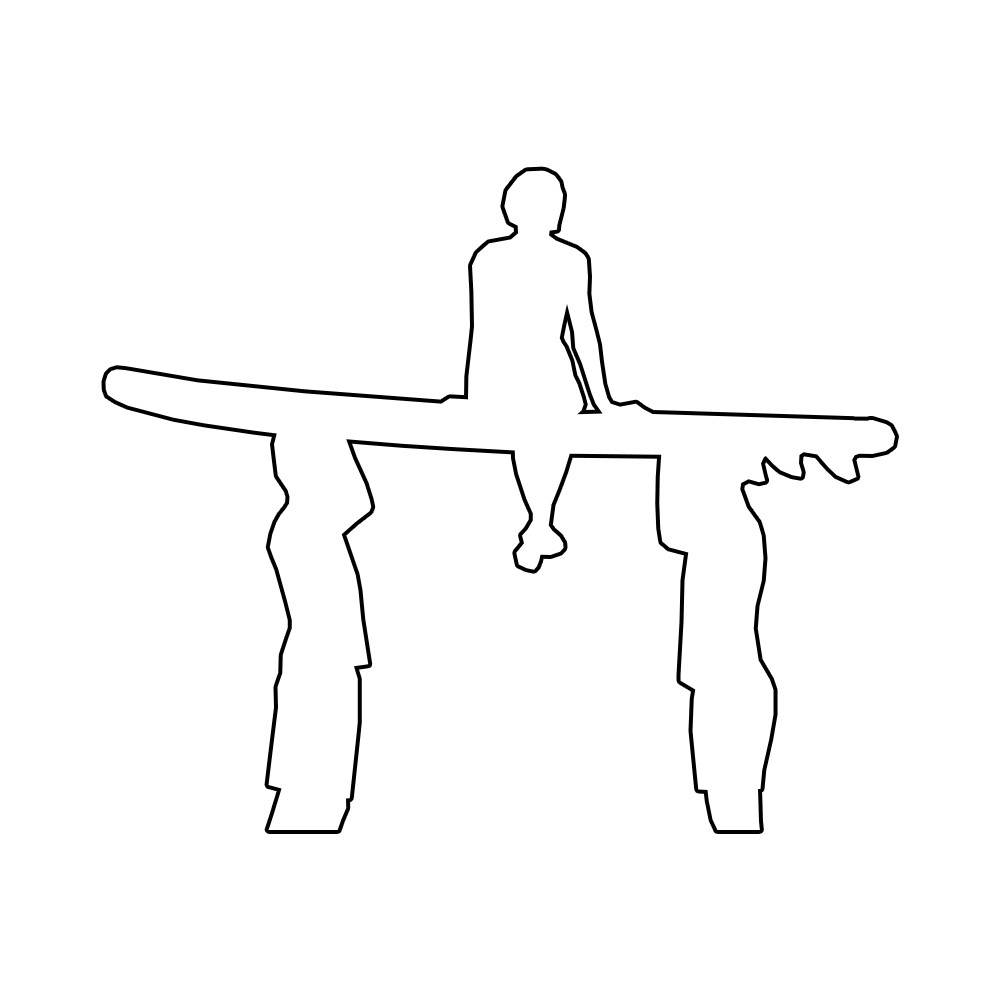
Construction:
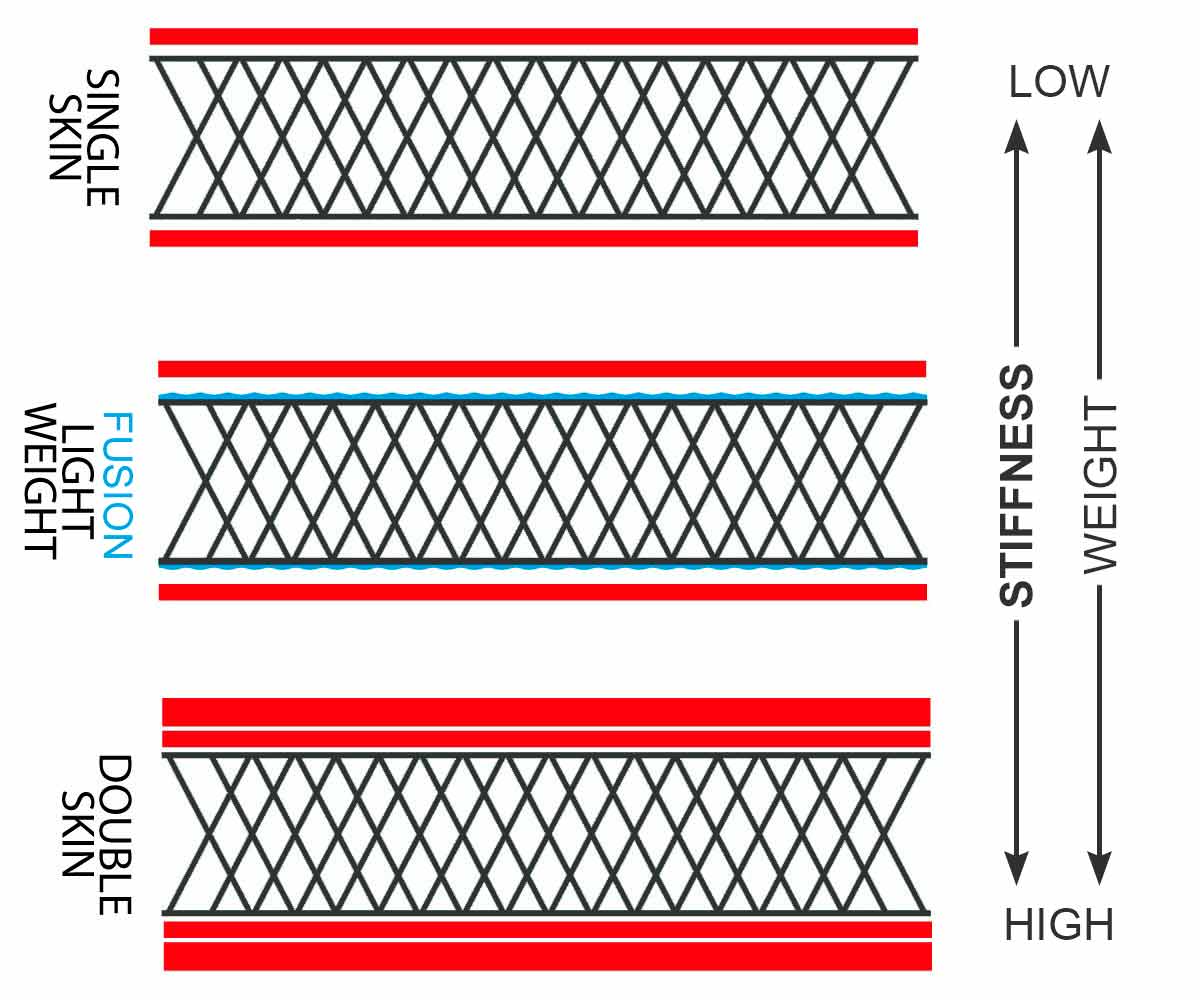
The construction of a SUP is important because it constitutes the major part of the board’s rigidity. The goal is always to get so set on the rigidity of a hardboard. All boards are constructed of a top and bottom layer of PVC fused with so-called drop stitches (thin nylon threads). Below you can read about the 3 types:A SUP without additional laminations or reinforcements to the dropstitch construction, is referred to as a Single skin. This is the most simple and flexible construction, which is also very transportable due to its low weight.
If the dropstitches are reinforced with an adhesive surface on which PVC layers can be laminated, a lightweight construction is obtained which is stiffer than single skin constructions. This is a fusion design called Light Weight (LW). The FUSION design is also, by some manufacturers, called MSL or FLT. A board with such a design is a medium to high performance SUP that lies between single and double skins in terms of stiffness and weight.
If you use the single skin construction as the core and laminate another layer of PVC on the top and bottom, you have a significantly stiffer construction called Double Skins. This is for pro performance boards, which come closest to the rigidity of hardboards! Furthermore, the construction is also more resistant to impact and tear. It requires extra materials and work, which therefore makes it more costly.
Now you understand the construction of the board, and why the top and bottoms are important. You should also pay attention to how the side walls / rails are build. SUP-boards must handle high pressures, be stiff and have stability; therefore, it is important that the manufacturer has constructed the rails with durable materials. Some brands do not inform you about the rails - often because it is a single rail construction. This means that the side walls are made of a thin layer of PVC which does not add to neither the strength nor the stability of the board. Quality boards are constructed with double rail build with a sealing layer that connects the top and bottom. An additional and wider layer is laminated to the sealing layer to add strength, stiffness, and stability. The side walls of a double rail SUP can handle beatings and scratches much better compared to single rail SUPs.
Inflatable Chambers:
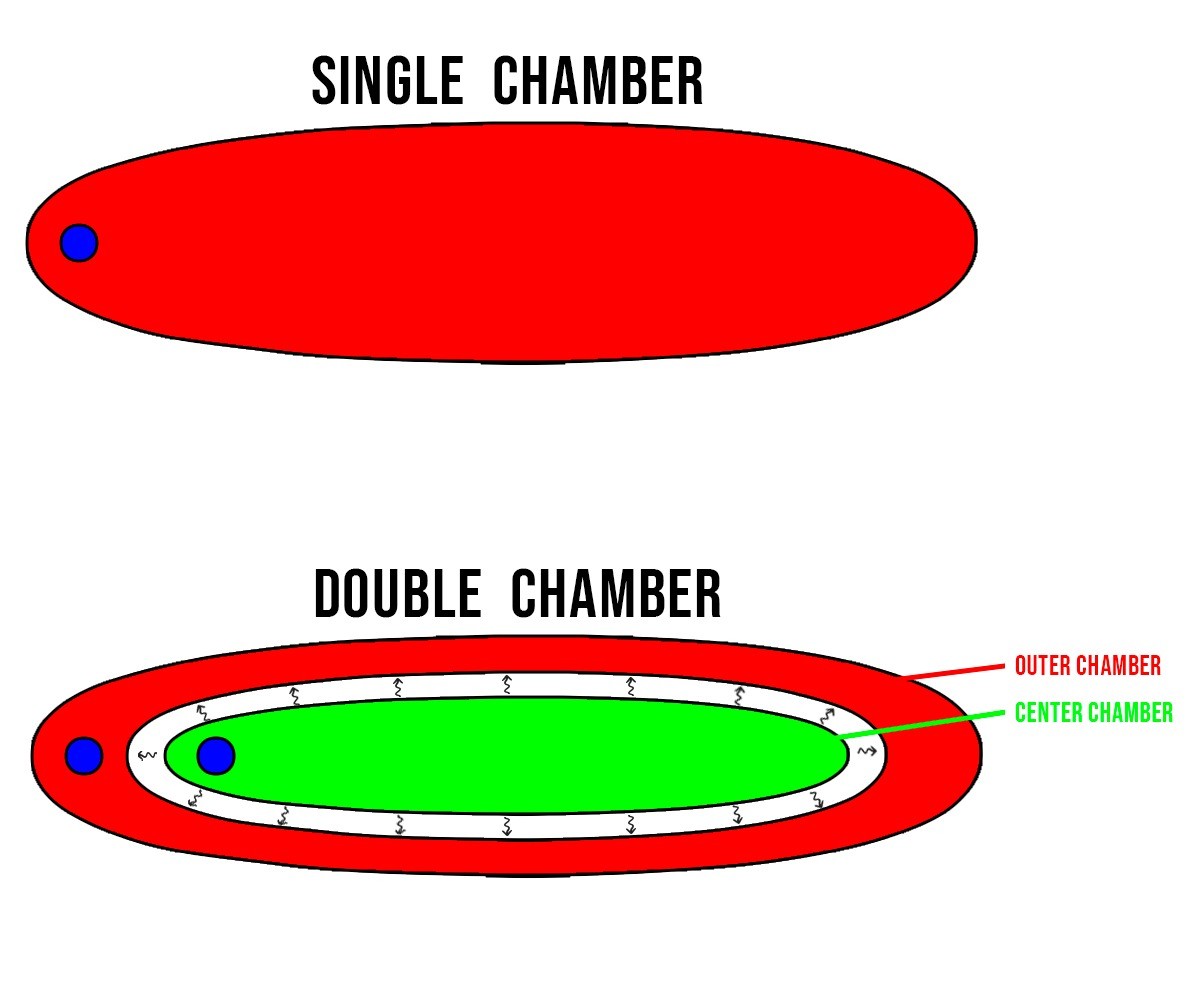
There are 2 types of inflatable chambers. A Single Chamber system board, as its name suggests, is a board that consists of one inflatable chamber that makes up the entire board. The advantage of this is that you simply need to pump the board from a valve and that it will have many years of usage compared to a double chamber board with several weak points. Furthermore, the single chamber allows for uniform pressure throughout the board.A board with a Double chamber system, consists of two separate chambers. The reality is that all punctures are leaking and that you will get to shore with a single chamber SUP that leaking air. Later, the technology was marketed for increased rigidity, but there can be doubts as to whether the introduction of more inflatable parts can increase the stiffness, when they will always be flexible and therefore shift in relation to each other. It has been debated whether Double Chamber technology was a bit more of a desktop project than a realistic design.
Complies with CE marking requirements?
CE marking is a European collection of standard safety instructions. If your SUP does not meet the requirements, there are deficiencies regarding the safety of the SUP. If your SUP complies with the requirements, you can expect safety to be top-notch, which means you can expect aid from boats, should you need help in getting dragged to shore. The CE requirements for SUP comply with Directive EN 15649-1-2-7 and are referred to” Floating leisure articles for use on and in the water”.Length:
It is recommended that the length of your SUP paddle fits your height to insure you get the best out of your SUP trips. Your SUP paddle's length should typically be between 10 and 20 cm longer than your height. However, this varies a bit depending on your style of riding out on the water. On a trip in the still water it is recommended that your SUP paddle is about 20 cm taller than you,10 cm is better for a day in the waves, because you stand in a more bended position.Weight:
It is important that your SUP paddle doesn't weigh too much. A light SUP paddle makes it a lot more fun to paddle onward. The lighter SUP paddles are typically made out of carbon. The lightest of paddles are made out of 100% carbon, but these are of course also more expensive than e.g. a paddle made of 70% carbon or 20%. In most cases SUP paddles are made of aluminum, which is durable, but also weights more than carbon. An alternativ in between is fiberglass SUP paddles, which are heavier than carbon but lighter than aluminum.Shaft material:
There are various materials, which the shaft on your SUP paddle can be made of. Typically a SUP paddle shaft will be made of aluminum, which is durable, yet heavy. Lighter paddle shafts are made of either fiberglass or carbon. A shaft of carbon is very light depending on whether you buy one consisting of 20%, 70% or 100% carbon and will provide a more satisfied feeling when out paddling on the water.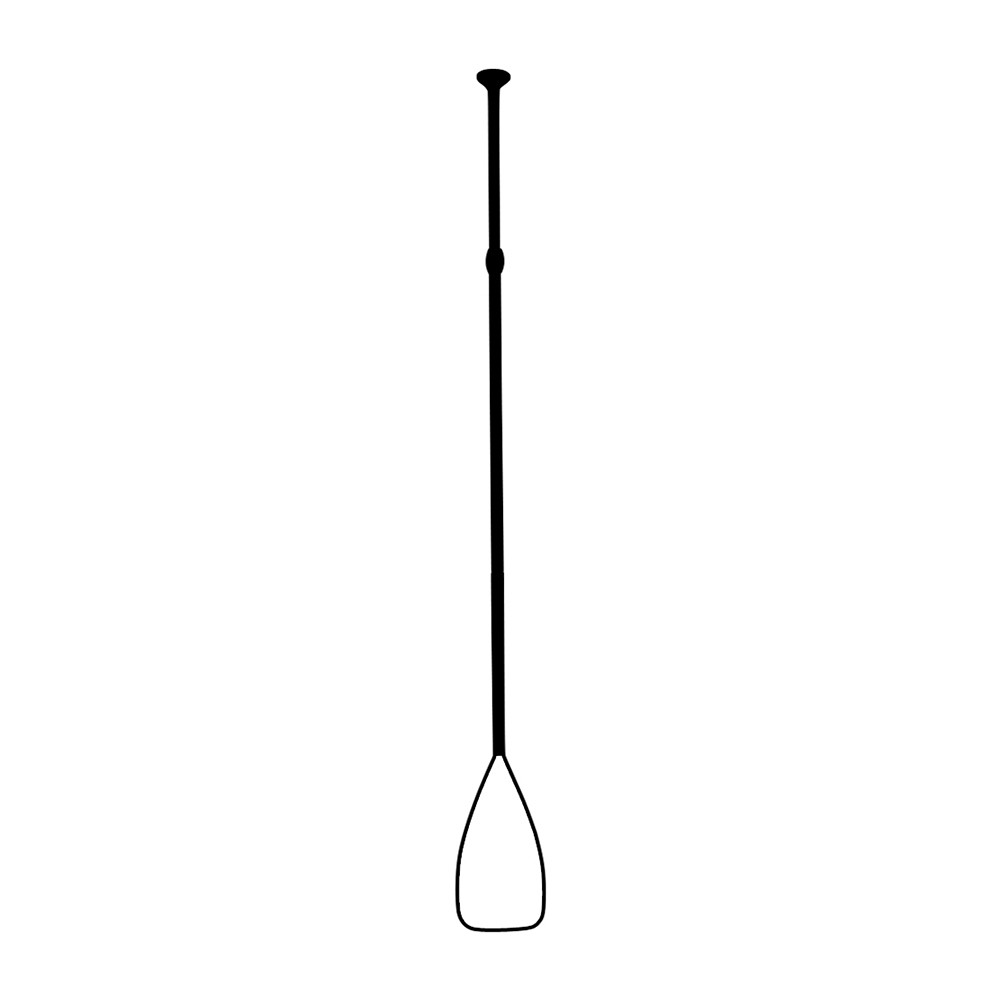
Blade material:
The SUP paddle blade can be made out of many different materials. Typically it is made of aluminum, which is durable, yet heavy. Lighter blades do exist and they are either made of fiberglass, carbon or plastic. A blade made of carbon or fiberglass is lighter than aluminum and gives greater satisfaction when you are out paddling. When buying a carbon blade, one should beware of how many % of your paddle that is actually carbon, since some carbon paddles have plastic blades.
Paddle type:
When you have to decide upon which SUP paddle suits your needs, it is important to know what the specific paddle is meant for. Some paddles are meant to be used for waves, others for race, but by far most of them are made to be allround/cruising paddles. A SUP paddle for race will usually have a bigger blade so it can pull more water. A SUP paddle for waves does on the other hand have a small blade, because it needs to be easier to handle when the waves force you to move quickly. Most paddle do however have the medium sized blades that fit most paddlers, because they are so versatile.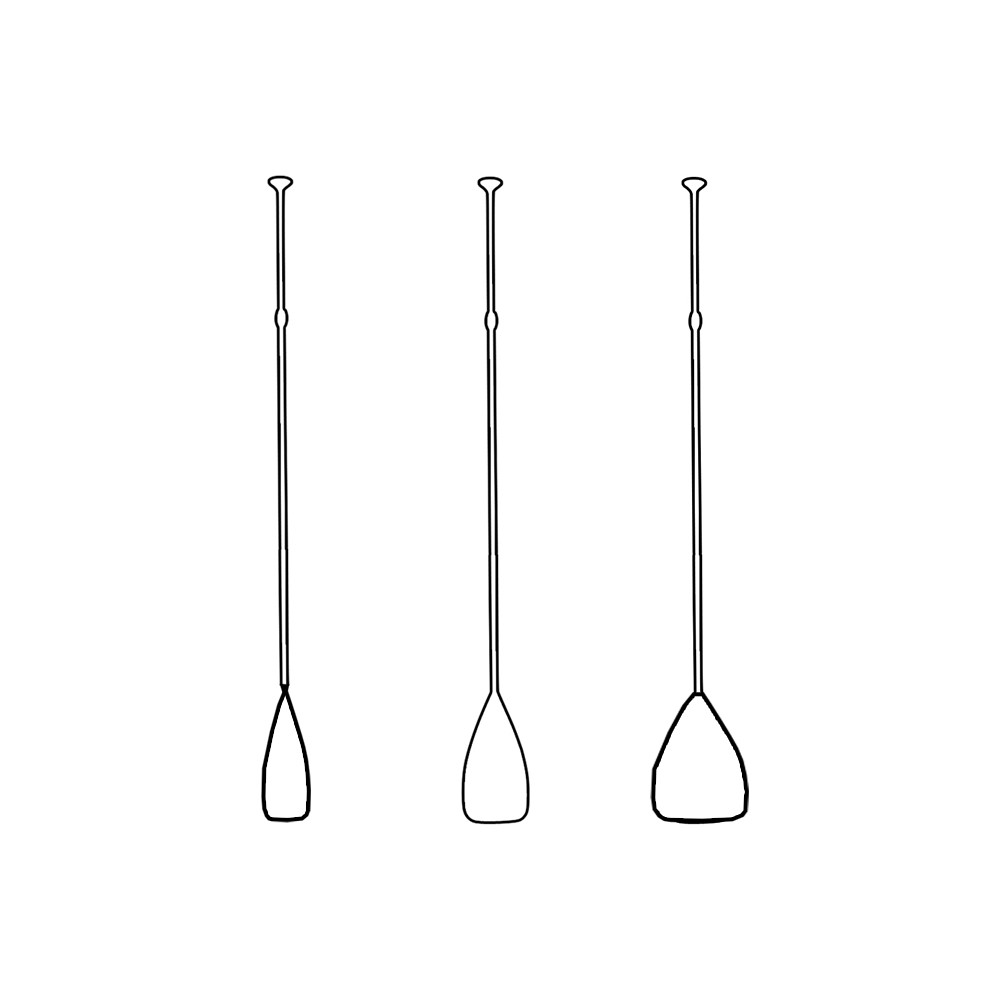
Tail Clips:
A Universal Tail Clip is designed to keep your skins locked together under the most challenging of snow conditions. Universal means that the Tail clip is compatible with all splitboards from all brands.Unlike the universal tail clip, a Quick tension Tail Clip is only compatible with newer Jones splitboards. This is due to a notch found on Jones' splitboards, which is where you can slide in the Quick Tension tail clip. A Quick Tension Tail Clip is lighter in weight than a Universal Tail Clip.
Length:
The total length of the deck is important for the handling of the board. If you are one of the bigger guys in the skatepark then you should make sure you get a longer skateboard and on the other hand are you of the smaller stature, a shorter skateboard would be ideal for you. If you are planning on using your skateboard for street riding, you will need a long skateboard, whereas a smaller board will be good enough for a skatepark rider. Generally, you can use the following guidelines: - 70 cm (- 20") Transport, Cruising 70 - 95 cm (28" - 38") Carving, Freestyle 95 - 107 cm (38" - 42") Freeride, Carving, Downhill, Sliding 107 - (42" -) Cruising, Downhill, Sliding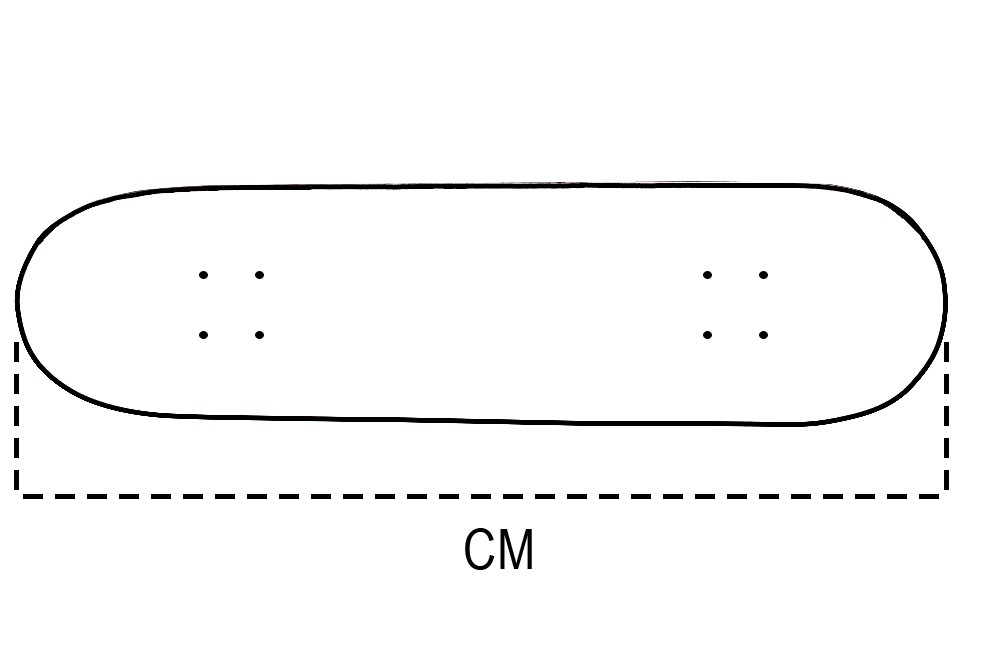
Width:
The skateboards width depends on the size of your feet. It is nice to have space for your feet so if you have big feet, you will naturally need a wider board. Wide boards are usually better suited for maneuvering, where a good grip on the surface is necassary. Accelerating will also become more difficult if you dont have enough space on the skateboard.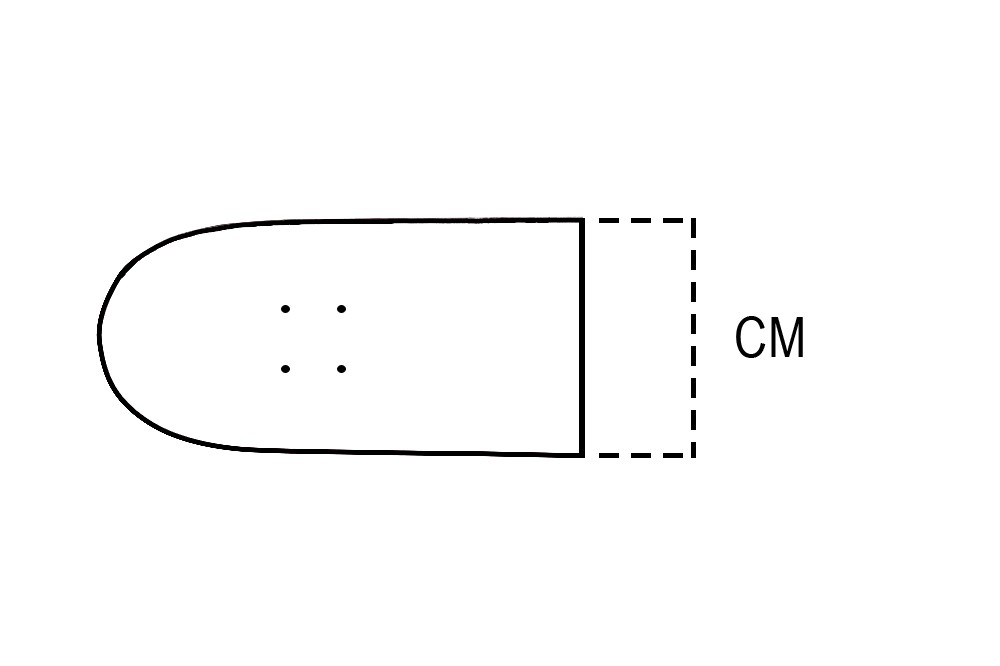
Wheelbase:
The wheelbase is the distance between the two trucks of the board. The wheelbase alone gives the board its capacity of changing direction. A short wheelbase allows quick changes of direction, which is ideal for carving. Long wheelbase allows more control over your change of direction, which is ideal for downhill and slides. One will be better than the other depending on your riding style.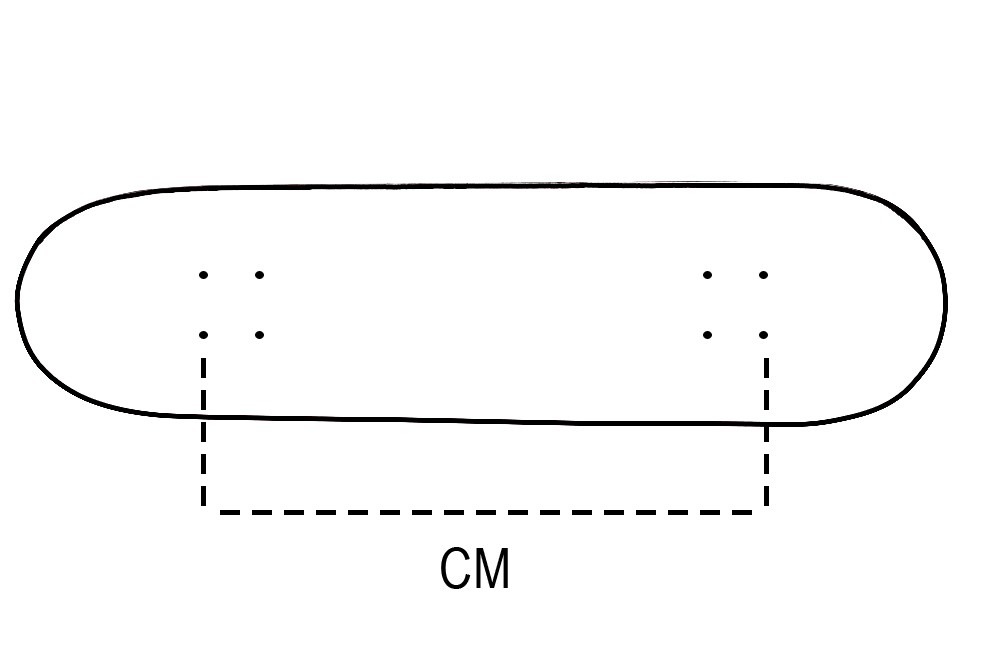
Deck material:
The material of the deck is relevant to flex, durability and quality. Bamboo is the sollution for you if you want a flexible deck material, whereas maple is the better choice if you want a more stiff deck material. If you choose a flexible board you are going to compromise on the durability of the deck. In order to ensure the sustainability of bamboo decks, layers of fiberglass or carbon can de incorperated. Both materials simultaneously provide a deck with either more stiffness or flexiblility, depending on the thickness of the layer. This method enables you to create the perfect skateboard for your needs.
Concave:
Concave is important because it allows you to get an even better grip on skateboards deck. Concave is the inward curvature of the deck's surface. It helps to lock your feet firmly to the deck and thus provides better grip.
Flex:
The flex of a board is an expression of stiffness. Stiff boards have a very fast steering and provides stability and control, which is suitable for Sliding, Freestyle and Downhill. Flexy boards are less stable, but more comfortable to ride as the deck adapts to your movements. Flexy boards are therefore suitable for carving, free ride and Cruising.
Deck form:
Skateboard decks are available in many different forms. Twintip boards is symmetrical and can ride equally in both directions and are therefor good for Slides, Freeride, Freestyle. Pintail boards is inspired by surf boards, with narrow ends and are suitable for cruising. Directional boards can have different shapes, but are directional, which is often used for Downhill and cruising. Longboards can furthermore have kicktails, making it possible to pop a board and thus do tricks etc.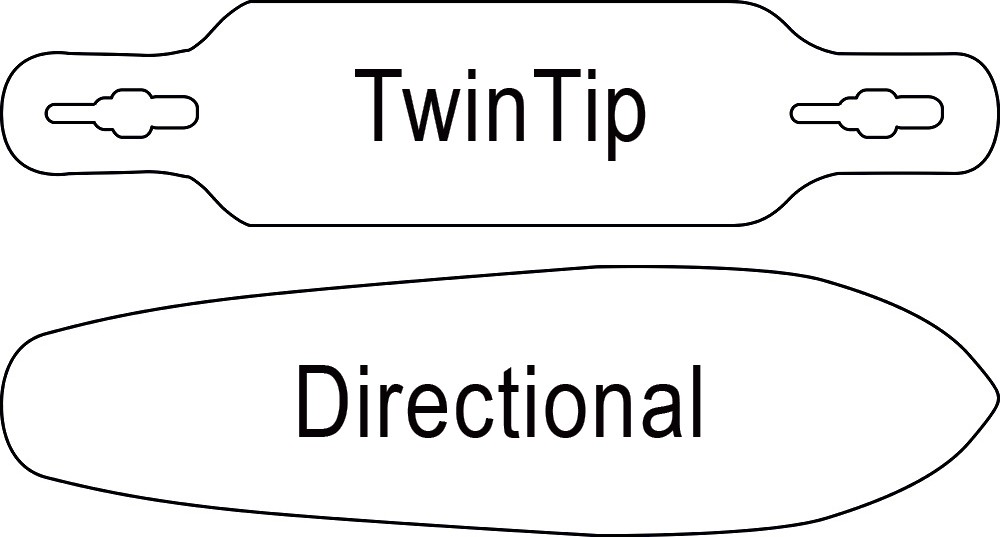
Weight:
The total weight of the product when assembled. If you want to be able to do any tricks in the air, your skateboard cannot be too heavy. Do note that lighter skateboards don't last as long as heavy ones.
Wheel edge:
The edge of the wheel have a greater meaning of your riding style. Wheels with rounded edges are better suited for street riding and ramps, where one would recommend wheels with a sharper edges if you are planning on using the skateboard as a transport. One can in general say that in freestyle, hard, small wheels with rounds edges is the right choice, while in freeride or cruising, big soft and square edged wheels are better.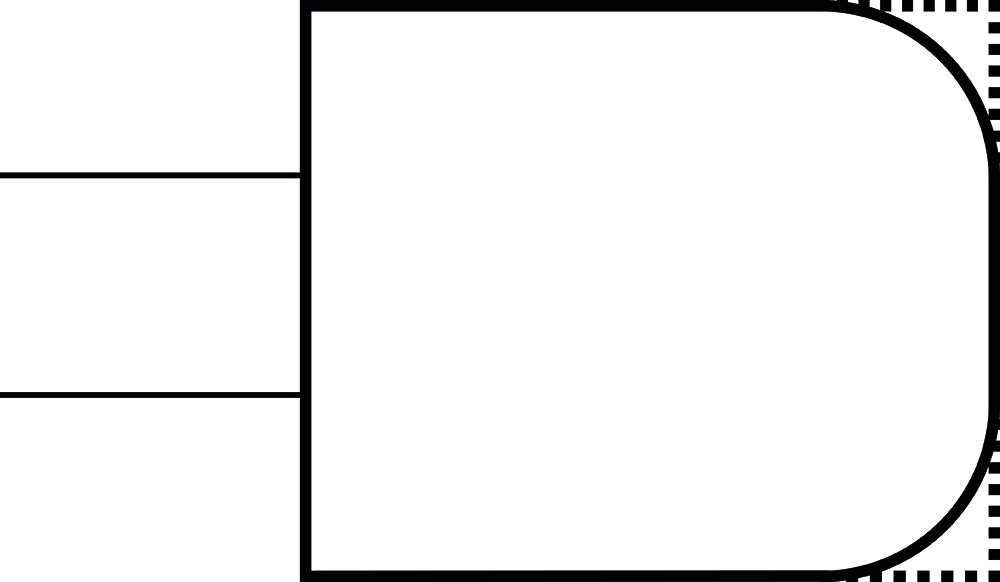
Wheelsize:
The size of the wheels should depend on your riding style. Large diameter wheels are suitable for comfort, speed and grip, while the wheels of small diameter are good for maneuverability and tricks. The width of the wheel determines how much contact you have with the ground. More contact with the ground (width wheels) provides comfort, stability and grip, less contact with the ground (narrow wheels) provides speed, maneuverability and easier slip for slides.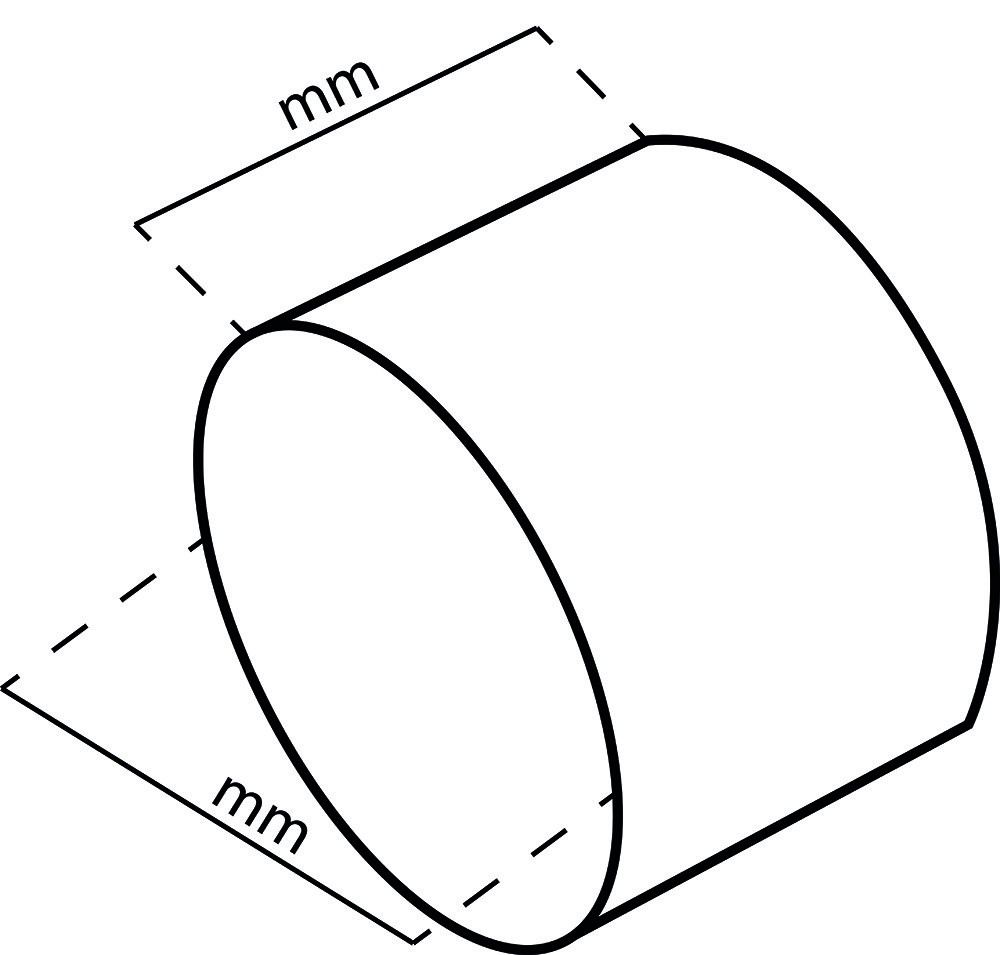
Wheel hardness:
The hardness of a wheel is measured on the durometer scale which ranges from 0 - 100A. 0 is the absolute softest, while 100A is the hardest available. Soft wheels provide comfort and less strokes from unevenness on the road. Hard wheels provide speed and provides easier-slip for slides.Bearings:
Bearings are divided into ABEC. High ABEC values mean that the bearing is made with more precision and therefore better quality. This means that an ABEC-7 bearing is better than an ABEC-5 bearing. It is recommended that your ABEC-value is higher for higher speeds and lower if your wheels will have a lot of impact. Bushings also come in different levels that each work better with different riding styles.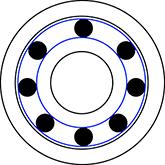
Truck:
Trucks come in different shapes and with different angles. Higher angles are designed for more carving turns and lower angles are intended for fewer turns. It is important that your trucks fit the size of the deck on your skateboard. There are two ways trucks can be mounted. One way is called topmounted and the other called drop trough. A topmounted truck is mounted at the bottom of your skateboard, which is an advantage if you would like to avoid having a truck in the way of your feet on the board. The topmounted however does decrease the stability a bit. This method is often used for people who cruise or ride freestyle. Drop through mounted trucks have the advantage of being mounted through the board, which creates a lower centre of gravity and so forth increases the stability. Having a truck on the surface of the board can however affect the space for your feet. This method works for every riding style.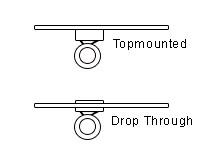
Grip tape:
Grip tape is what makes you firmer on the skateboard and it comes in many levels of roughness and types. The rougher the grip tape is, the better you stand firm. The really rough griptape makes you stand very firmly but it also shortens the longevity of your shoes. As mention there are different types. One of these is called clear sand and another is the regular sandpaper like tape.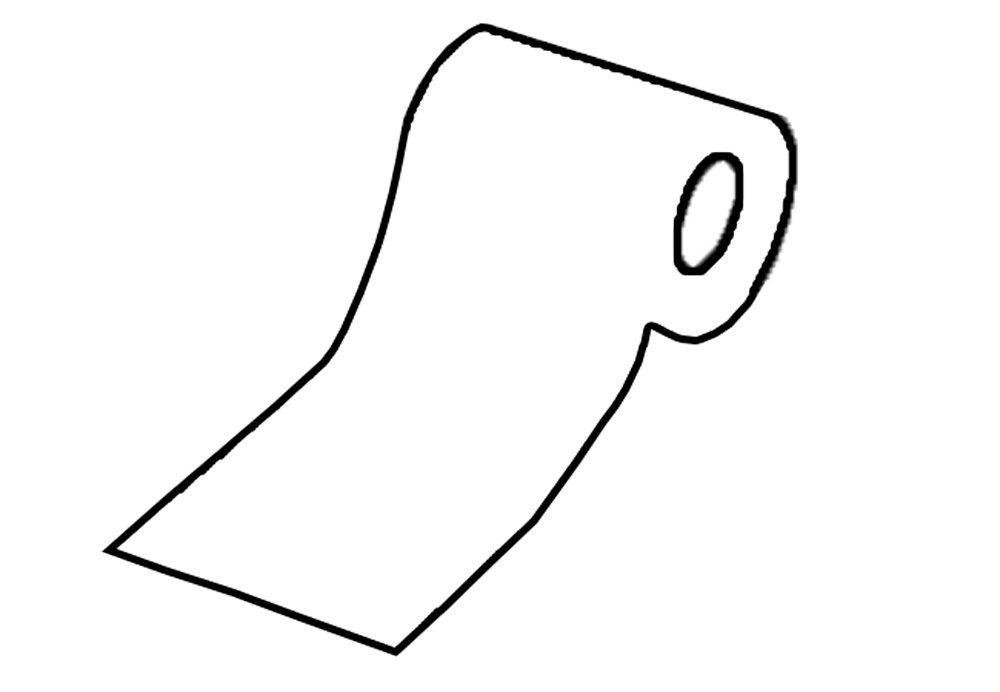
Wheels per package:
The amount of wheels in a package. A scooter needs two wheels, one for the front and one in the back. When your wheels are close to being worn down it might be an idea to consider buying some new ones, before it is too late.
Bearings:
Each wheel needs 2 pieces of bearings, which have to be pressed into the wheel if not already included. The quality of bearings is divided with ABEC. The higher the value, the better the bearings will run. For an example an ABEC-7 is better than an ABEC-5.Wheel diameter:
The size of the wheels should depend on the way you ride. If your focus is a great experience, a sweet flow and nice speeds, then you need to go for larger wheels. If instead, you want fast reactions and improved control, then you will need to go for smaller wheels. It is important the wheel diameter fits along with the fork, deck and brake.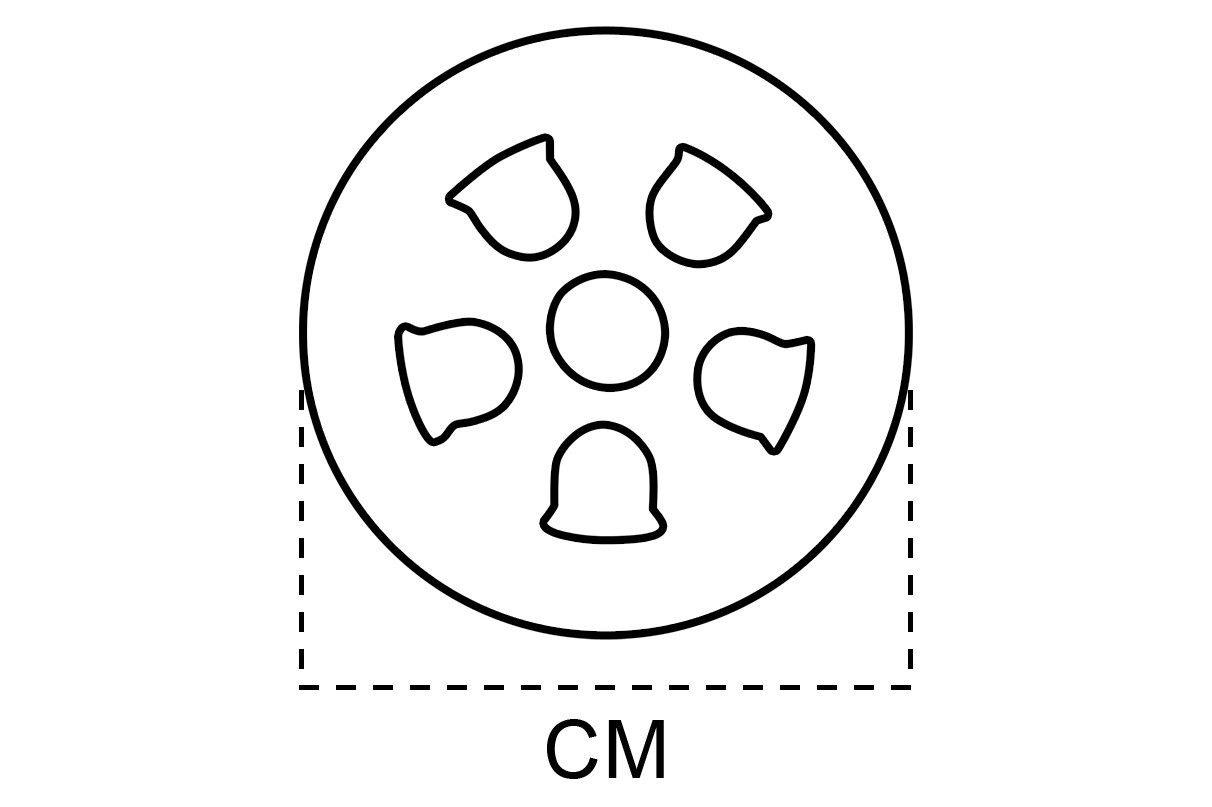
Weight:
The total weight of the wheels once assembled. Lighter wheels is a good idea if you want to do tricks with your scooter, however the durability lessens on lighter wheels compared to the heavier ones. Heavy wheels will therefore last longer, but the execution of the tricks will also be harder.Wheel width:
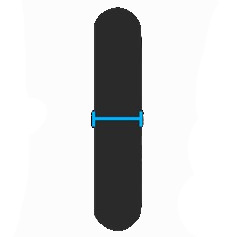
The wheel width of your scooter impacts its grip and stability. Wider wheels offer greater stability and grip, ideal for ramps and park riding, while narrower wheels reduce friction and are preferred for technical street tricks. Always ensure the wheel width is compatible with your scooter's fork and deck.Dirt scooters and scooters with bigger wheels typically have significantly wider wheels. These wider wheels provide enhanced traction, making them ideal for off-road surfaces or uneven terrain.
Core material:
Wheels of aluminum and nylon both has their advantages when it comes to quality. Wheels of aluminum are the strongest, but nylon wheels are the lightest. It is therefore smart to go efter nylon wheels if you wanna perform tricks on your scooter. If you on the other hand is using your scooter as a transport then aluminum wheels is the choice for you.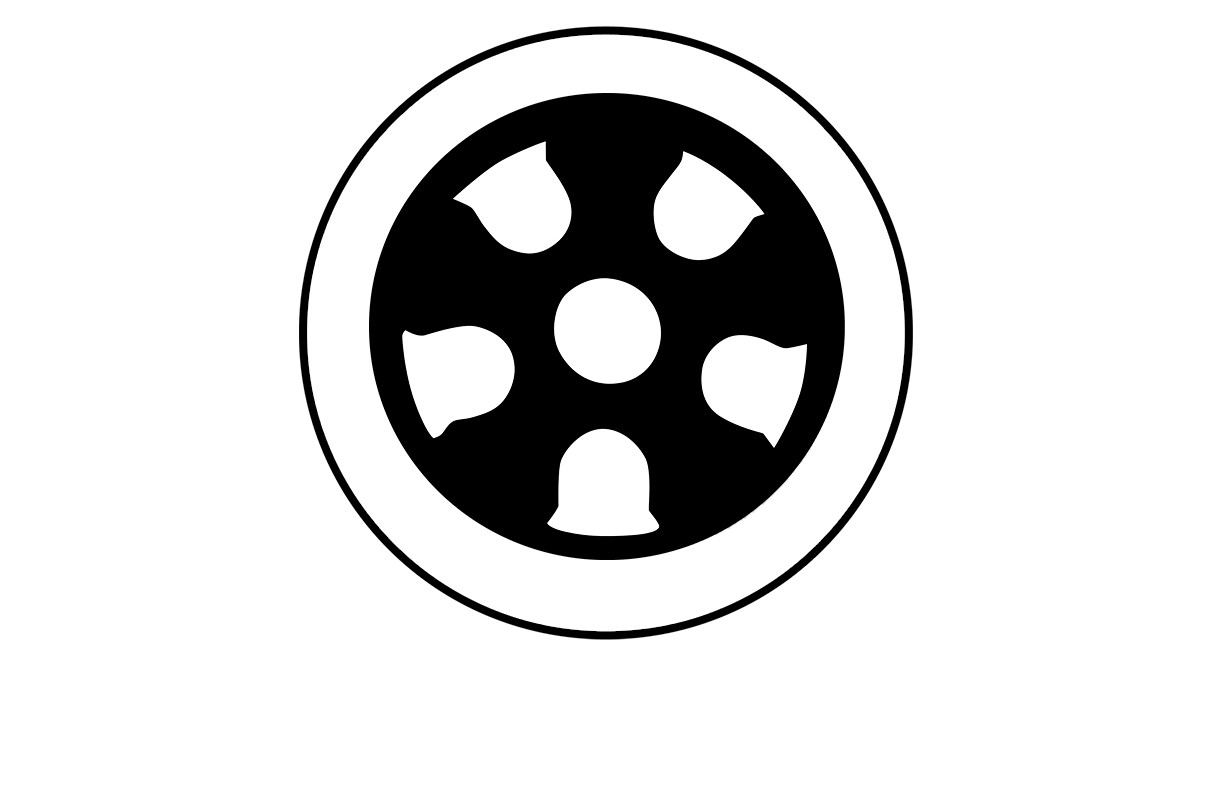
Core design:
There is various types of core designs: Solid and spoked. Solid core wheels are relatively heavy wheels, but at the same time more durable. Spoked wheels are lighter, but have slightly less durability.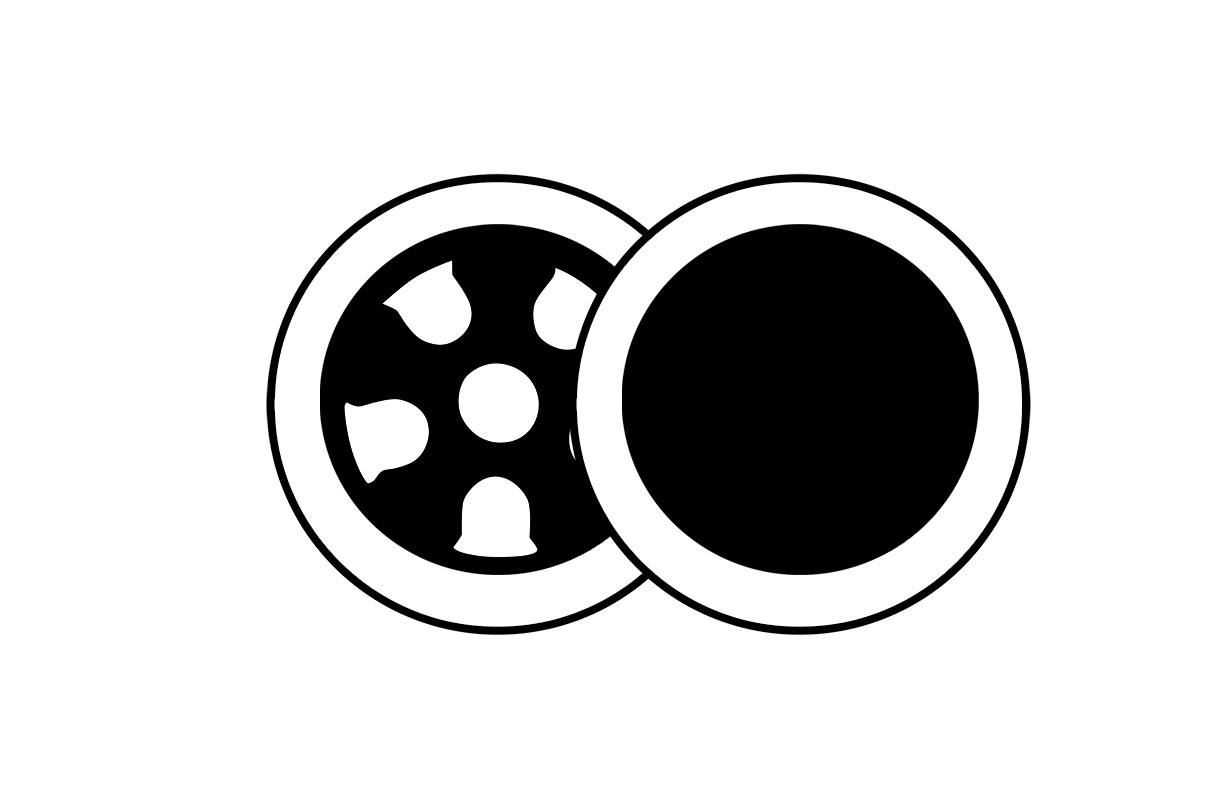
Rubber material:
Polyurethane is a strong material that can handle more weight than plastic or metal. This also means it is more resistant to damage than other wheel materials. They also provide better shock absorption and are quieter, making them ideal for carpeted floors.Wheel hardness:
A wheel's hardness is measured on the durometer scale, which goes from 0 - 100 A. 0 is the absolute softest while 100 A is the hardest. Hard wheels lasts longer and rides faster. Soft wheels wear down quicker, but has a much better grip and are perfect for parks and indoors usage.Wheel profile:
A flat profile gives the best grip, where as the most narrow profile provides more speed for the wheels. The fork's look needs to match the wheel profile.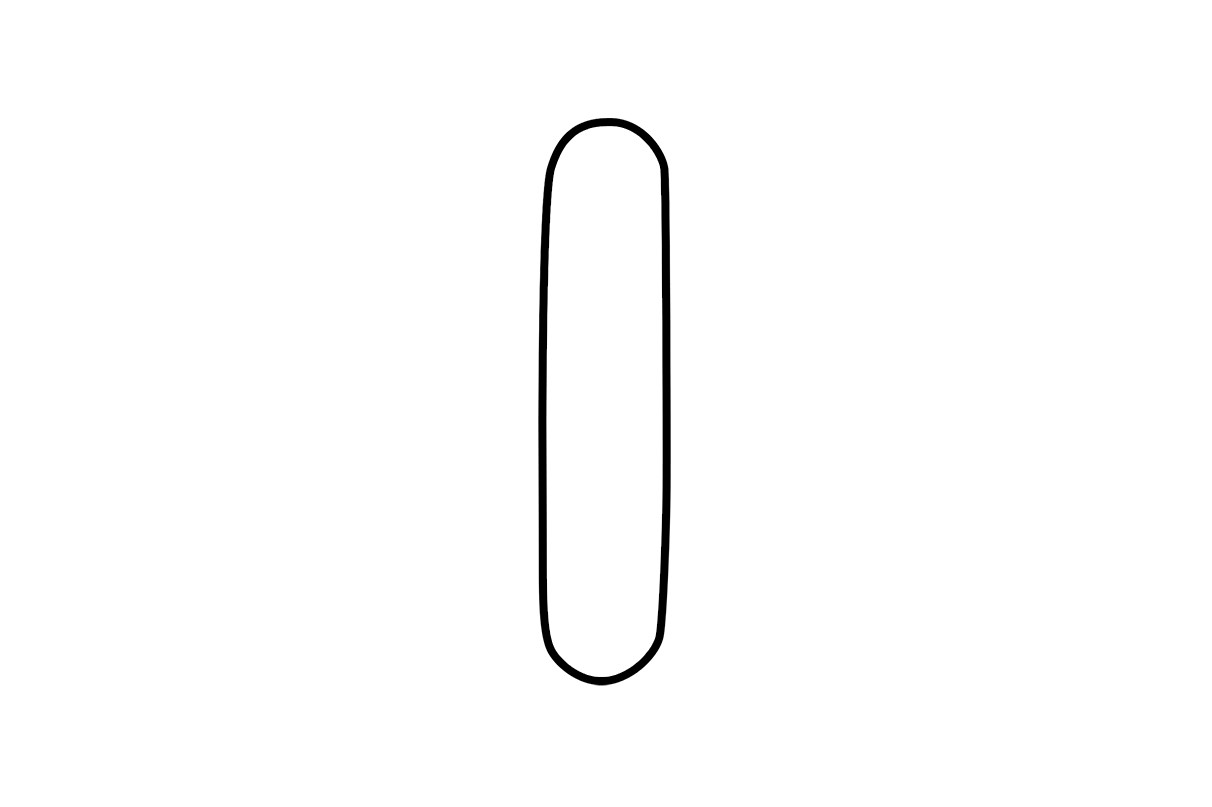
Wheel hub width:
The vast majority of scooter wheels have a hub width of 24 mm, which fits forks and decks with also 24 mm hub width.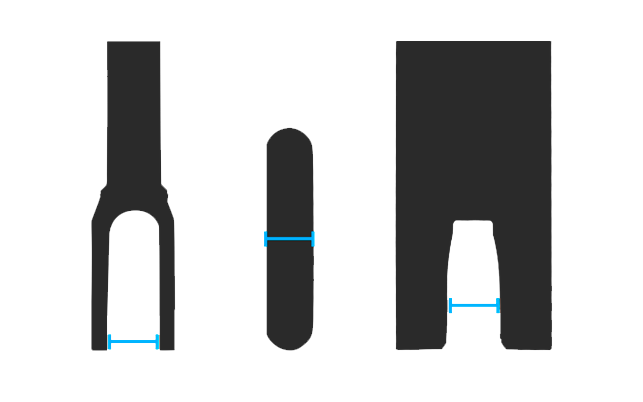
Axle diameter:
Describes the diameter of the axle / bolt that will hold the wheel. The wheel in the ball bearings is intended for a specific diameter of the shaft / bolt.Riding Category
Street Killer
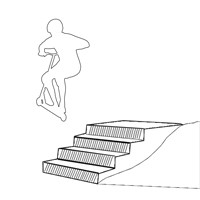
Street riding with a pro scooter is all about creative expression and technical skill in the city's raw and unpredictable environments. It primarily takes place on streets, stairs, rails, curbs, and urban skateparks – in short, everything the public space has to offer.
This discipline places high demands on both the rider and the equipment. Street scooters are typically built with a stronger and more durable construction, often with wider decks and solid components that can withstand repeated hard landings and the wear from concrete and metal. This robustness gives you both confidence and freedom to challenge yourself – whether you're a beginner or an experienced street rider.
Street is not just about tricks – it’s a lifestyle and a way to express yourself. You choose the lines and obstacles, and only your imagination sets the limits for what you can do with your scooter in the urban landscape.
Park Machine
Park riding with a pro scooter usually takes place in skateparks filled with ramps, boxes, rails, and bowls. Here, you get a controlled and varied environment, making it ideal for practicing new tricks, building confidence, and developing your technical skills.
In the skatepark, it’s all about smooth lines, big airs, and precise landings. Park scooters are often lighter and more maneuverable, so you can easily pull off spins, flips, and aerial combos. The ramps allow you to learn quickly and push your limits as your skills progress.
Don’t have a skatepark nearby? Then bring your training home! With an NKD ramp, you can practice both indoors and outdoors – whether you're just starting out or already building your trick repertoire. There are plenty of ramp models available, giving you the opportunity to train with focus and fun, wherever you are.
Park riding is both play, sport, and a creative way to express yourself – and there are always new tricks to master.
Level
Choose the right scooter for your level
When choosing a trick scooter, it's important to match it with your skill level. We’ve made it easy for you by dividing our scooters into three levels:
-
Beginner to Professional
Ideal for those starting from scratch – but with ambitions and wanting a scooter that can keep up all the way to the highest level. Here you get a setup built for progression, durability, and high performance. -
Beginner to Intermediate
Perfect for the beginner who wants to learn quickly and take the next step. These scooters are easy to control, stable, and designed to develop your skills safely – from the first jumps to more advanced basics. -
Beginner to Advanced
A great choice for those who are either completely new or have some experience – and want a scooter that can grow with them and handle tougher tricks, bigger jumps, and more intense use without compromising on quality.
No matter which level you choose, you can be sure your scooter has been carefully selected to give you the best start – and support you all the way through your progression.
Strength
The strength of a Pro Scooter
The strength of a Pro Scooter determines how much wear and stress it can withstand – and therefore how suitable it is for different types of riding and skill levels. To make it easy for you, we've rated all our scooters on a scale from 0 to 5 stars:
★ 0–1 stars: Light use / Beginner
Scooters in this category are suitable for kids and beginners who mainly cruise and practice light tricks. They are lightweight and easy to handle, but not built for hard landings or intensive use.
★★★ 2–3 stars: Good strength / Intermediate riders
Here you'll find scooters with reinforced parts and increased durability. They can handle more advanced tricks and daily use at the skatepark, and are a great choice if you're progressing your skills.
★★★★★ 4–5 stars: Maximum strength / Heavy riding and street
The most robust scooters – built for riders who ride hard and often. Ideal for street riding, big drops, and intense trick training. The components are designed with durability in mind, so you can fully rely on your setup.
The higher the star rating, the more extreme and durable the scooter – so you can choose the one that fits your style and skill level perfectly.
Lightweight
Our assessment of Lightweight
Our assessment of lightweight is not just about the total weight – but about how light the scooter is within its category. A solid street scooter can still be considered light for its class if it’s built using quality materials, thoughtful design, and strong yet lightweight welds.
That’s why we rate all our scooters on a scale from 0 to 5 stars:
★ 0-1 stars: Heavier construction in its class
Focus here is on maximum strength and durability rather than weight. Ideal for heavy use – but heavier compared to similar models.
★★★ 2–3 stars: Medium weight in its category
A good balance between strength and weight. Made with standard materials and reliable build quality – typical weight for the level and riding style.
★★★★★ 4–5 stars: Top-level lightweight for its type
Made with optimised materials such as high-strength aluminium, heat-treated alloys, and weight-reducing design. This gives you a scooter that feels significantly lighter than others in the same category – without compromising on durability.
A high lightweight score makes the scooter more responsive, easier to control, and ideal for technical tricks – all assessed based on what is considered lightweight for that particular type of scooter.
Grinds / Slides – rated from 0 to 5 stars
A scooter's ability to perform well in grinds and slides depends on several factors: the width and shape of the deck, grind rails, surface smoothness, as well as materials and durability. With our 0 to 5-star rating, you can easily see how suitable a scooter is for this type of riding.
★ 0–1 stars: Not suitable for grinds
These scooters are not designed for grind tricks. They typically have narrower decks without special protection or glide-friendly surfaces and are not recommended for riding on rails, ledges, or curbs.
★★★ 2–3 stars: Light grind usage possible
Scooters in this category can be used for some slides but are not optimized for it. They are better suited for beginners who want to try grind tricks on a smaller scale.
★★★★★ 4–5 stars: Optimized for grinds and slides
These scooters come with grind-friendly decks – often with box ends, flat bottoms, and reinforced wear zones. The materials are selected for low friction and high durability, making it easier to glide smoothly and safely on rails and edges. Perfect for street riders and technique-focused riding.
A high Grinds/Slide score means the scooter is built to withstand and perform under repeated grinds – giving you the ability to develop your skills with maximum control.
Handling / Responsivity – rated with stars from 0 to 5
Handling and responsivity describe how precisely and directly the scooter reacts to your movements – especially during tricks like spins, manuals, and jumps. A scooter with high responsivity gives you full control over your movements and a close connection between the steering and the deck, which is crucial for things like 360° spins and technical landings.
We rate Handling / Responsivity from 0 to 5 stars:
★ 0–1 stars: Loose and imprecise steering
There may be play between the bar and the fork or in the compression system, which creates an imprecise feel. Less control during tricks and rotations – not recommended for advanced riding.
★★★ 2–3 stars: Standard response and steering
Acceptable steering and stability for everyday use and basic tricks. Good for beginners, but with limited precision during technical maneuvers or at high speeds.
★★★★★ 4–5 stars: Direct and precise steering response
High build quality, stiff compression, and a tight connection between the bar and the deck. Instantly reacts to your movements and provides an intuitive feel in the air. Soft wheels and a solid construction also ensure controlled, smooth landings – ideal for spins, combos, and high-level park riding.
The higher the Handling / Responsivity score, the more precise control you get – giving you a better riding experience and the ability to progress your tricks with confidence and safety.
Bouncy Foam Deck – rated from 0 to 5 stars
The Bouncy Foam Deck rating shows how soft, cushioned, and trampoline-friendly the deck is. A key feature for trampoline scooters, this foam padding helps protect your feet during repeated tricks and allows for longer, safer training sessions.
★ 0–1 stars: Hard or minimal foam padding
Decks in this range offer little shock absorption. They feel more like standard hard decks, which can be harsh on your feet during repetitive use and not ideal for trampoline trick practice.
★★★ 2–3 stars: Moderate foam comfort
These decks include some foam padding, giving better comfort and cushioning. Suitable for occasional trampoline practice and beginner riders looking for a mix of realism and safety.
★★★★★ 4–5 stars: Maximum bounce and impact protection
The highest-rated decks have thick, soft foam that offers excellent grip and absorbs impact during trick landings. Perfect for advanced riders who train often and need a deck that supports intensive sessions while reducing foot strain.
A higher Bouncy Foam Deck score means a softer, more comfortable surface that helps you stay safe and focused while mastering new tricks on the trampoline.
Street
Street is the term for street riding with your scooter. Street is a concept of street driving with your scooter. It means cruising in the street or in the skatepark, performing stunts of all kinds - only your imagination stops you here. Street is the most used form of driving within stunt scooters and often places great demands on the design and quality of the scooter. A robust construction allows you to withstand any challenge the street may throw at you, as well as feeling more confident about yourself when you are on an adventure, whether it's the first time you're out or you've done it 100 times before.Ramps
Ramps = riding on ramps. You often ride ramps to learn how to perform new tricks with your stunt scooter. This gives you faster self-confidence on the scooter and in general! You often find ramps on skater rinks. However, should you not be so lucky to have such nearby, we recommend that you acquire one of our NKD ramps, which allows you to practice anywhere inside and outside. There are endless models within ramps that you can ride your stunt scooter on and it's a great way to unfold and become really talented.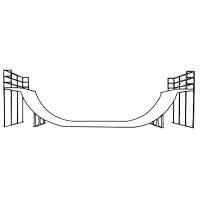
Slide
Slide, also known as Grind is the term for tricks that are performed by sliding on something. For example, it could be a tube, a handrail, a staircase, yes, basically anything you can think of. With the right scooter everyone can learn how to slide. It just requires you to be aware that the deck of your stunt scooter has a grind base ie. cuts that allow you to slide on things. This driving form is very popular and you can do it with your friends anywhere.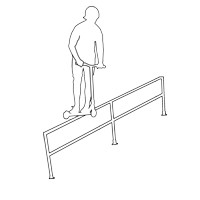
Transport
Transport refers to the scooter's ability as a means of transport. How well did it get you from A to B and how easy is it to bring along with you? Transportation via scooters has become popular in many European cities in recent years, whether it's for school or work. It is also super smart on holidays where the bicycle is too big and inconvenient, as good transport scooters often can be folded and carried over the shoulder.
Quality
Quality. This is an expression of our professional assessment of the scooter as a whole. This is based on the materials, construction, performance and estimated life of the scooter. With a high rating here, you have acquired a super good scooter that is worth showing off.
CE-Certified
If a product is CE-certified, it means that the product complies with EU law in relation to common requirements and conformities for this type of product. A CE-certified product has been through a number of tests and passed all of them adequately. Therefore, you can be sure of a higher quality and safety when purchasing a CE-certified product.Safety Test – EN 14619
EN 14619 is a comprehensive safety standard for scooters that covers essential aspects such as material quality, durability, braking performance, and resistance to outdoor conditions. This test ensures that the scooter can withstand everyday use and remains safe and reliable for riders weighing between 20–100 kg. It is one of the most thorough certifications available in the industry, giving you extra confidence in your scooter’s construction and safety. Read the full test here.
Safety Test – EN 71
EN 71 is a European safety standard specifically designed for toys, including kids' scooters. It ensures that the product meets strict requirements for mechanical safety, chemical composition, and overall child safety. The test evaluates the scooter for potential hazards such as sharp edges, small parts, and toxic substances, ensuring it is safe for children to use. A scooter that meets the EN 71 standard offers parents peace of mind, knowing it is built for safe and responsible use by young riders. Read the full test here.
SGS-Certificate:
An SGS certificate is a confirmation of a product's quality and integrity performed by SGS - known globally for certifications and professional product testing. Products with a CE-mark issued by the SGS certification service indicate that these products have gone through a number of different tests and testing methods, which are in accordance with various requirements and standards these product classes / groups must comply with. Furthermore, an SGS certificate confirms that every single part of the product has been tested to the utmost to ensure an incredibly high quality of durability and functionality. Each product is part of a product class or product group, each with its own CE-marking ID number. This ID number can be used by you as a consumer to legitimize the certification and find further information about what the product you are buying is approved for.Total height:
The total height of the entire scooter. There is no right or wrong in relation to height of a scooter. Generally one can say that low scooters are oriented to technical tricks, whereas high scooters are for transport and comfort. Some scooters can be adjusted to suit you and your needs.Weight:
The total weight of the scooter when it is complete. Heavier scooters are often made of a material, such as steel, which increases the durability and longevity. Where scooters made of lighter materials, such as aluminum, is lighter as well as easier to transport along with you. Whether you should choose one or the other depends on how much you are willing to spend and what you will be using the scooter for. A scooter does for example need to be able to stand through most and it would therefor be clever to buy it in a durable material.Max Load:
Max load is the manufacturer's recommended load of weight on product. This set out for their knowledge and assessment of the product so that the service life is not reduced.Deck design:
There are three types of deck design: one-piece, two-piece and foldable. One-piece decks are very durable since they are made of welded parts, whereas two-piece decks are put together with bolts. The advantage of two-piece decks is that they are often able to fold, and some models have headtubes which gives the possibility for different angles. A foldable design makes it possible to fold the scooter together so that it can be quickly taken under the arm or on the shoulder. There are many different functions and systems for foldable scooters. If you need your scooter for commuting between the bus, train, car or just for getting around, a fast and easily foldable system is an advantage. You will quickly experience that this feature makes a difference whether you use your scooter to take with you on the trains, buses, etc.Deck material:
The deck of the scooter is usually made of aluminum, as it is a very lightweight and durable material. The aluminum is relatively soft, therefore, it will be mixed with other metals. Aluminum is divided into alloys in which the value is determined by the mixture of metal. Higher alloy provides more durable product material.Material strength grade:
The strength of aluminum is measured in tons, how many tons the aluminum is pressed under. A scooter deck of T4 aluminum is produced under 4 tons of pressure, where T6 means that it has been pressed under 6 tons. The more tons the metal has been pressed under, the stronger the scooter.Deck length:
The total length of the deck's surface. The length of the deck decides how much space you have for your feet on the scooter. The longer a deck, the more space you have to stand on, where the shorter a deck, the less space you got to stand on.Deck width:
The total width of the deck's surface. The width decides like the length of the scooter's deck, how much space you have to stand on for your feet. An example of width would be if you could have both feet next to each other on the scooter's deck surface or not. Besides that you need to have enough space to accelerate without losing your balance.Concave:
Concave is the inward curvature of deck's surface. It helps to lock your feet firmly to the deck and thus providing a better grip, so you avoid losing balance and falling off as easy. The concave curvature is measured on the scooters deck and is measured in degrees.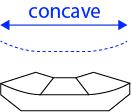
Suspension:
A scooter suspension works in the same way as with cars. Movement between the scooter and its wheels is allowed. This contributes to a much higher quality scooter than one without any suspension, and gives you a significantly better riding experience on all your trips. For scooters suspension can be built by the front wheel and the rear wheel. Most often, the most expensive quality scooters have suspension on the front wheel, while the even more expensive ones have on both wheels.
Compression:
The compression system is the system that keeps your fork tightly to the headtube of the deck and reduces the slack that all scooters will suffer from the time they are being used. Thus is it with scooters and thus is it with everything actively used outside.Fork:
Forks can be divided into two main groups: one-piece of two pieces. One-piece forks is molded or cut from one piece of metal, it gives the fork fewer weak points compared to two-pieces forks which is composed of several parts. Furthermore, the forks can be divided into forks with or without thread. Threadless forks requires a compression kit.Headset type:
The headtube of the deck determines which headset-type the scooter is using. An integrated headset is more protected and durable than a non-integrated headset. A non integrated headset sits inside the headtube, therefore it is more fragile than the integrated headset.Bar material:
Steel is a very strong and a durable material. Bars made of steel is very strong, but also much heavier than bars of aluminum. Steel bars caters more for scooters driven hard. Such scooters would be stunt scooters, which have to take a lot of hard impact when performing tricks. It is therefor a clear advantage if you buy your stunt scooter in a durable material. Furthermore, if you are interested in a scooter bar that combines both strength and lightness, a titanium bar is the best option. Titanium is a super strong material with an incredible durability, which unlike steel does not weigh much. What this partly means is that with a titanium scooter bar you get the lightness as with aluminum and the strength as with steel.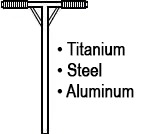
Bar height:
The total height from the bottomof the bar to the middle of the handlebar. it is recommended that the height of the bar fits the rider. Some scooters can be adjusted by you to fit your height, while other scooters comes in fixed heights, where you then will have to pick the one most suitable for your height. The reason for this is that a stunt scooter needs to be able to take punches during tricks, so if the bar is adjustable on your tricks scooter, it will become weaker and possibly give you trouble, when performing tricks.Bar width:
Different widths of bars suits different riding styles. With air tricks you have far more control of the trick with a wide bar, a narrow bar is better suited for technical tricks. Thus, the bar's width have to suit your skills, and it may therefore be worth considering what the scooter primarily will be used for.Clamp size:
The clamp size of the clamp depends on the number of bolts the clamp is tightened with. Therefore what goes is that the more bolts the larger the size of the clamp, and so too it goes that the fewer bolts used on the scooter, the smaller the size of the clamp.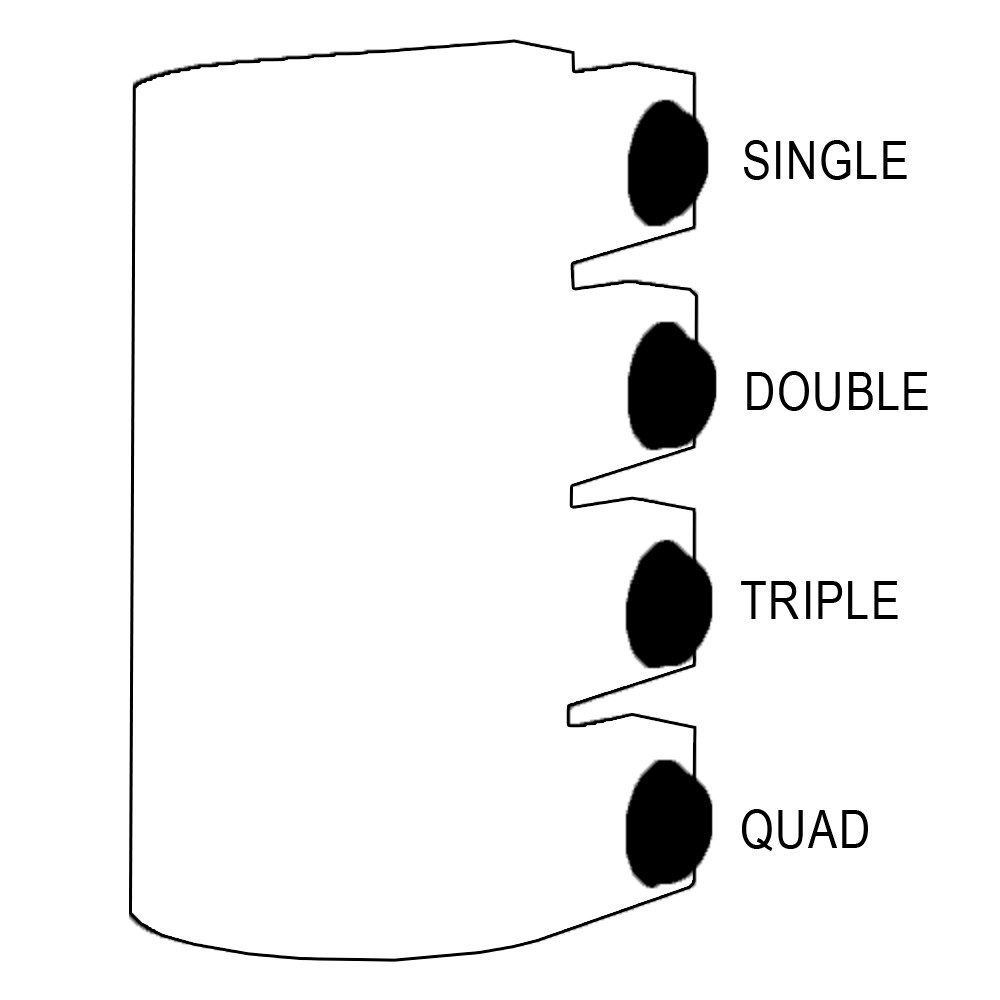
Outer diameter:
The bar's outer diameter is what determines the type of clamp which will fit. Thus it is recommended that the bar's outer diameter fits the clamps inner diameter. Note however that some clamps can be used in both standard bars and over sized bars.Inner diameter:
The bars inner diameter determines the fork that fits. Whether it is a one-piece fork or a two-piece fork depends on what you imagine yourself using the scooter to. The smart thing about a two-piece fork is that it often can be folded together, which can be practical for carrying with you on the bus or the train, where with a one-piece fork the great thing is the durability, which makes it perfect for stunt scooters.Wheeldiameter:
The size of the wheels should depend on your riding style. If you have a lot of focus on the driving experience with good flow and speed, go for bigger wheels, whereas choosing smaller wheels if you go for quick response and better control. However, it is important that the diameter of the wheel fits with both the front fork, deck and brakes.Wheel hardness:
The hardness of a wheel is measured on the durometer scale that goes from 0 to 100 A, where 0 is the softest and 100A is the hardest. Harder wheels last longer and run faster, but are less comfortable on uneven grounds than soft wheels. Softer wheels do however wear away faster, but have a good grip and are perfect for parks and indoor use.Core material:
Aluminum and nylon wheels each have their qualities. Aluminum wheels are the strongest but nylon wheels are the lightest. Whether it should be the one or the other depends mostly on your choice for what you will use the scooter for. It is smart to have stronger wheels for outdoors tranportation and if you want to do tricks.Wheel design:
There are different core designs: solid and spoked. Solid core wheel is relatively heavy wheels for scooters, but their weight also provides a lot more durability and strengthens the wheels. Spoked wheels are lighter wheels for scooters, which therefore leads to a less durable and strong wheel.Wheel profile:
What a flat profile does is it provide the absolute best and highest possible grip for scooters to achieve, where as what the narrower profile does is that it allows a lot more speed. The fork shape must match properly with the scooter wheel's profile.Bearings:
Bearings are divided into ABEC. High ABEC values mean that the bearing is made with more precision and therefore better quality. It is recommended that your ABEC-value is high for higher speeds and lower if your wheel have to take a lot of impact, like the impact you would expect if you decide to use it for tricks.Brake type:
There are different brake types- bolt, spring and flex fender brake. Bolt and spring brakes make more noise, so if you want more silent brakes you should go for flex fender brake, however this will cause the wheels to have a slightly and overall lessened longevity.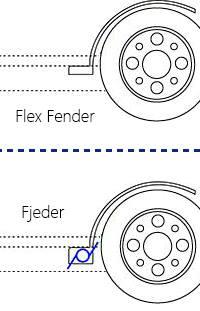
Axle length - Front:
The length of your scooter wheel shaft is good to have if you need to order pegs or spare parts. The front wheel axle is typically slightly shorter than the back.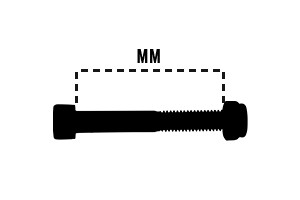
Axle length - Back
The length of your scooter wheel shaft is good to have if you need to order pegs or spare parts. The back wheel axle is typically slightly longer than the front.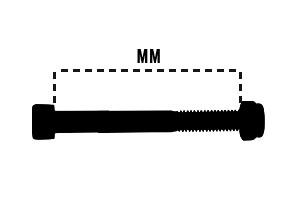
Features:
Features are some special or additional features and elements a product may contain. This may, for example, be that a scooter is equipped with several systems for braking, an adjustable bar, side stands and a carrying strap to make it easier to carry your scooter. In addition, features can also be smart design choices that your scooter got - for example, whether it is CNC-cut or whether it might be electrically driven.Assembly:
Almost ready to run or ready to run. Always check the scooter before use, and be aware that it is different, how you receive your scooter. if your scooter is coming complete, it is completely ready for use, whereas if it is only partially complete, then there will be few parts that need to be tightened and assembled, which must be done with standard tools.Product Manuals:
All our scooters comes with a manual, detaling how to setup and use the scooter, if you have lost your manual, you can download it here: See All ManualsPegs per package:
The amount of pegs included in a package. It is possible to only use 1 peg for your scooter, however there is some people who prefer to have 4 pegs mounted. Do you wish to have more pegs you can buy them seperatly.
Pegs length:
The total length of this peg. Some people prefer long pegs for their scooters, where as others would rather have short pegs. The length of your pegs is a matter of taste and preference, which varies a lot from person to person.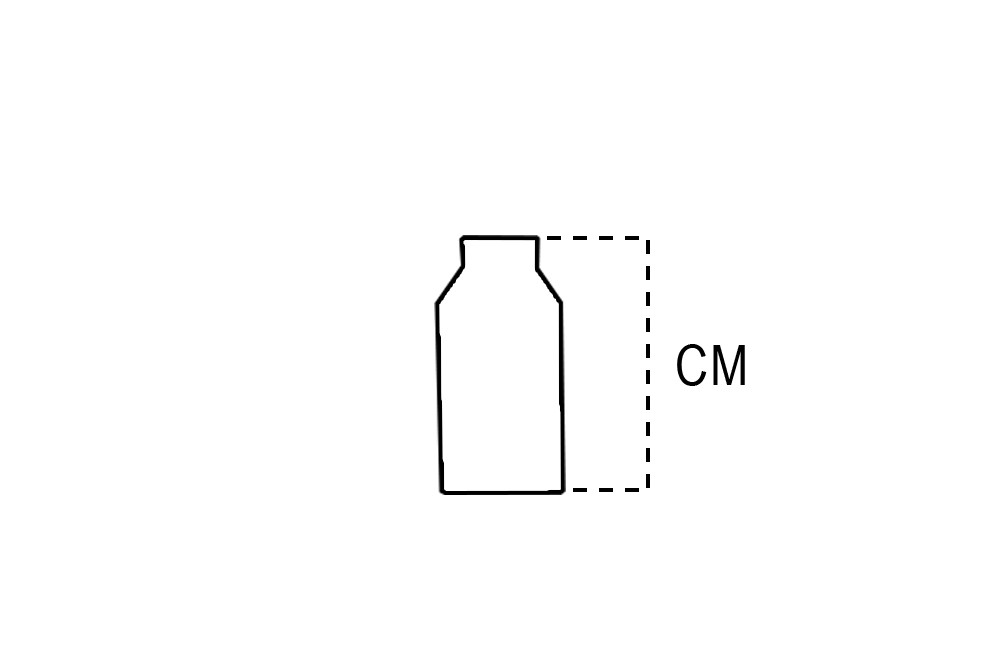
Wheel axle:
Are there wheel axles included in your pegs package? If so, you use these for mounting your pegs onto your stunt scooter. Should they not be included, can they be bought separately as well.
Wheel axle length:
The length of your wheel axles should fit the stunt scooter. Keep in mind that there is a difference between the length of your front wheels and back wheels. The wheel axles on the back wheel are usually longer than the ones on the front wheel.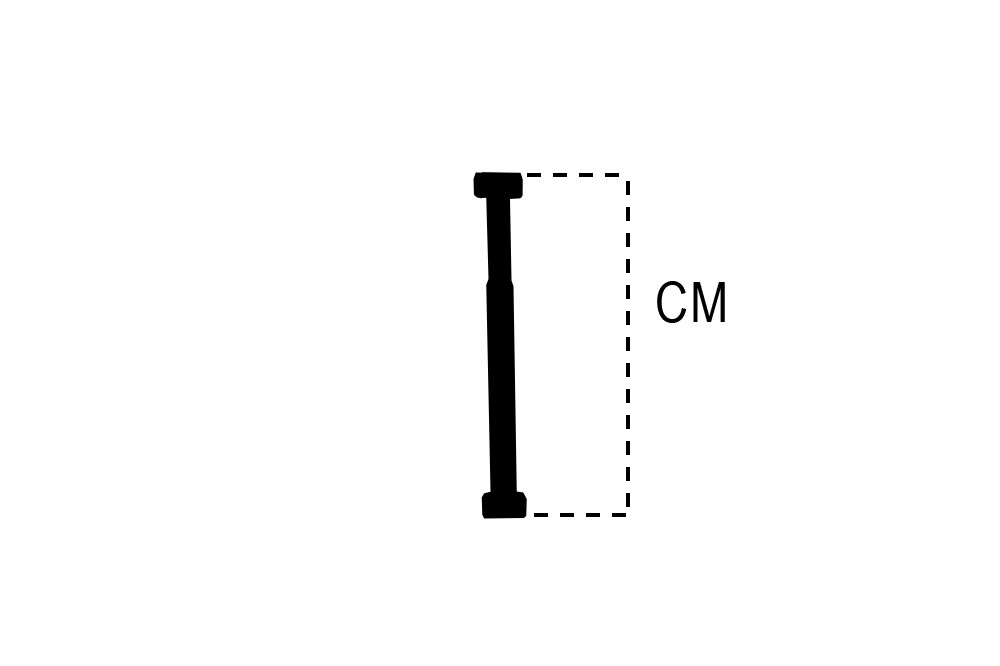
Material:
The material these pegs are made out of. Aluminum is a very light and durable material, which is why most pegs also are made of this. You can also get pegs made of steel, which makes them even more durable than aluminum ones but also slighty heavier.Pegs weight:
The weight of one peg, without wheel axles. It is recommended that your pegs don't become too heavy, since it would make your scooter heavier and hereby be the cause of you having a harder time executing tricks and stunts.Axle diameter:
Describes the diameter of the axle bolt that is to hold the peg and the wheel. The hole in your pegs is designed for a specific diameter of the shaft / bolt.Width
The width of your scooter grip tape should match the width of your scooter deck. If the width is greater on the grip tape than on the scooter deck, then you can always cut the grip tape to.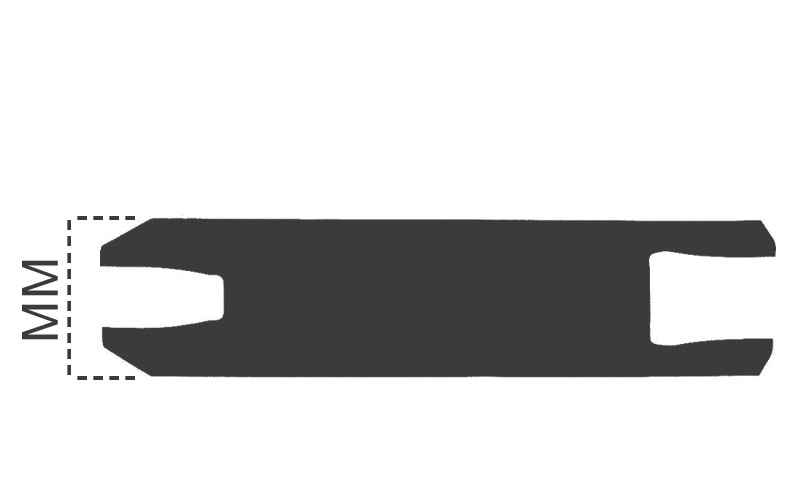
Length
The length of the grip tape should match the length of your scooter deck. If your scooter deck is longer than the grip tape, you can always cut the grip tape.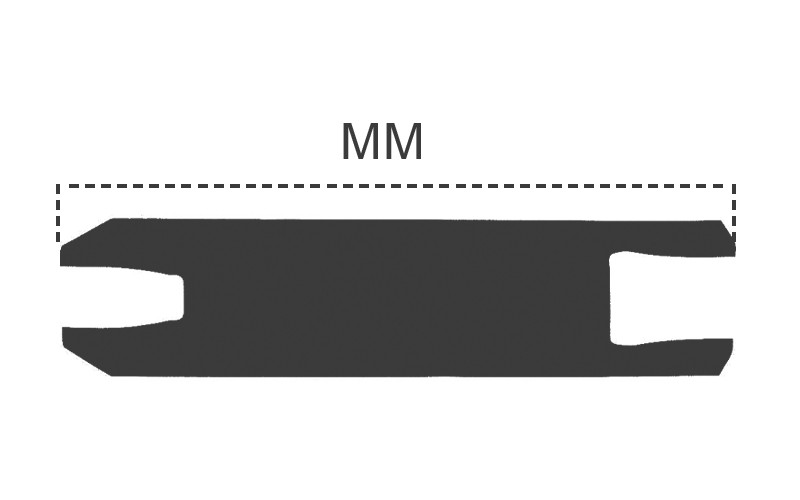
Carved
The scooter grip tape is either cut to fit the scooter deck, otherwise they come uncut as a square piece of grip tape. If this is the case, you can cut the grip tape yourself to fit your scooter.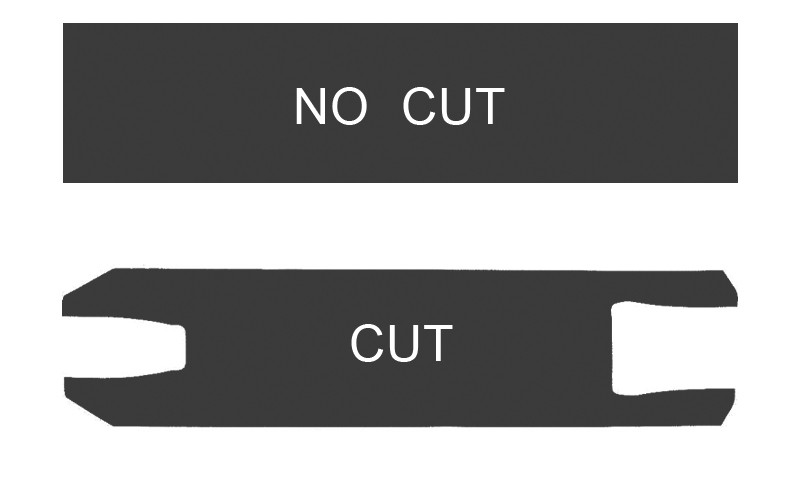
Material
Most scooter handles are made of rubber. All quality scooters have rubber handles fitted, which is why we also recommend rubber handles for your scooter.
Length
There are different length handles for scooters. In recent years, driving with longer handles has been more modern. The standard length of scooter handle is between 15-17 cm.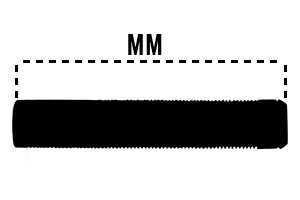
Plugs
Plugs (or "bar ends") are needed for the handlebars of your scooters. These are small plugs that hold the handles in place and protect the bar from being damaged. Most scooter handles have plugs included, but if this is not the case, you will need to purchase these separately.
Outer diameter
The outer diameter of the scooter handle should fit the size of your hand. If you have a small hand, use a small outer diameter handle. And if you have a big hand, the handles must be bigger. The standard for the outer diameter of the impeller handle is 28-32 mm.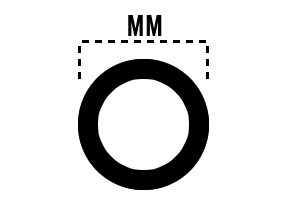
Inner diameter
The inner diameter should match the outer diameter of your scooter bar. If the outer diameter of the bar is larger than the inner diameter of your handles, the handles will not fit. The internal diameter standard that fits the standard impeller bar is 23 mm.
Hardness
The scooter handle hardness is measured as Soft, Medium and Hard. Here the vast majority of handles are Medium. The hardness of handles is a matter of taste as some prefer soft handles and others want them hard. If you are in doubt about the right hardness for you, then we recommend Medium.
Bar-ends compatible with
Some bar ends are only compatible with either steel or aluminum bars.
Compatible with:
There are several different types and designs for scooter forks. Therefore, it is imperative that you check if exactly the fork you want is also compatible with your scooter. There are certain factors that need to fit together in order for it to be possible to assemble it properly. One of these factors is the compression system. It must be compatible. Another is the wheel diameter, as there are some scooters that limit the fact that only certain sizes can be mounted.Wheel diameter:
The wheel diameter depends on what you would like to use your scooter for. If you want a transport scooter, bigger wheels will make your driving experiences significantly better, as it will help against the many bumps that may be on the roads or trails. By contrast, smaller wheels will weigh less, thereby providing better options for tricks for those who would rather have a trick scooter. However, in relation to the fork, remember to be sure that both the wheels and the fork are compatible and fit with each other.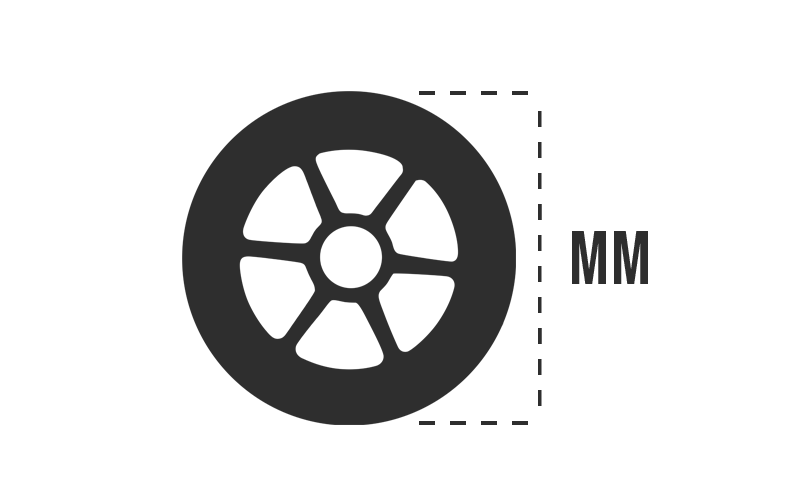
Wheel Bolt:
You need a wheel bolt to mount your front wheel on the front fork. If the wheel bolt is not included then this must be purchased separately.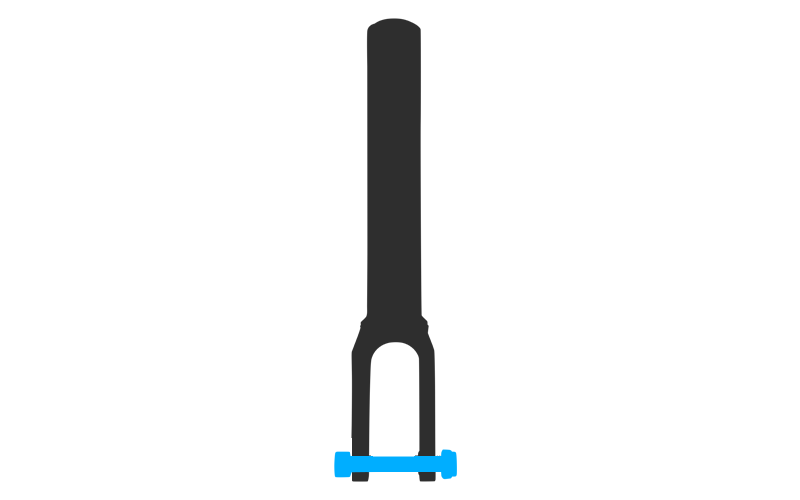
Fork length:
The total length of the fork. Forks for scooters can come in a variety of lengths. The length of the fork depends on both your riding style, ie whether you want a scooter for transport or for tricks, and what you want most, as some would prefer shorter forks, while others would prefer a longer fork.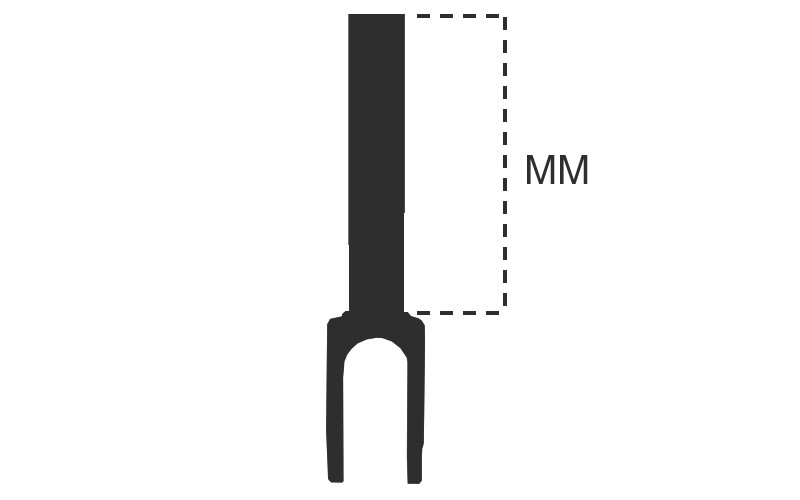
Fork design:
There are generally two different designs for forks. A one-piece and a two-piece, what this means is how many parts the fork consists of. The design matters most for how durable a fork is. However, the material also matters a lot for the durability of the fork. For example, if you have a one-piece designed fork made of aluminum or steel, you have a very high quality fork for scooters.Fork type:
You can also divide the overall designs of forks, that is, one-piece design and two-piece design, into two additional groups. Namely, whether the fork is threaded or threaded. Here it is important to know that threaded forks can only be used for headsets that also have threads, and conversely, threaded forks can only be used with headsets that are also threaded.Fork Material:
Most often the highest quality scooters are aluminum or steel, and likewise the fork is either one or the other material. For aluminum, it is a lighter but still strong and durable material. However, not as strong as steel, which also weighs a lot more because of its high durability. Trick scooters will generally always last longer if they have forks made of steel.Fork Weight:
It is the material that plays the biggest role for is the quality and how heavy the fork is. An aluminum fork does not weigh as much as a steel fork, but it is also not as strong and durable. A steel scooter is especially suitable for tricks as it will be much better at performing various tricks and stunts.
Wheel hub width:
It is important that you know the width of your impeller wheels before ordering a new fork. The vast majority of impeller wheels have a 24 mm hub width, which fits forks with a 24 mm hub width as well.
Frame Spacer type:
Frame spacers ensure that the wheel is always centered on the front fork. Some impeller forks have welded washers mounted as frame spacers. This is the cheap solution but a solution that works. Most top models in forks have built-in frame spacers. This is the best solution as it is milled in one piece of metal together with the fork, so you get the highest precision.
C-Ring:
A c-ring is part of the headset on a scooter. This is used to keep the fork centered in the headset. Most headsets come with a c-ring.
Crown Race:
A crown race is located between the front fork and the base of the headset. This helps the fork to sit centered in the center of the headset. Some crown races are built into the forks. This is clearly the best since it is CNS milled together with the forks and therefore the highest precision is obtained.
Wheel offset:
Front forks, seen from a vertical center. Offset describes whether the wheel is located in the center line or in front of the center line. The vast majority of front forks are designed with a little offset, to increase directional stability. The advantage of Zero offset is that bar spins and nose manuals are made easier because the wheel is located in the center line of the front fork.
Axle Diameter:
Describes the diameter of the axle / bolt that will hold the wheel. The hole in the front fork of the shaft / bolt is intended for a specific diameter.Compression System:
The item is delivered either with or without compression kit. The compression kit for HIC and IHC systems consists of either a HIC or IHC shim and bolt. The compression kit for SCS is part of the clamp, in which a bolt and washer compresses the clamp directly to the front fork.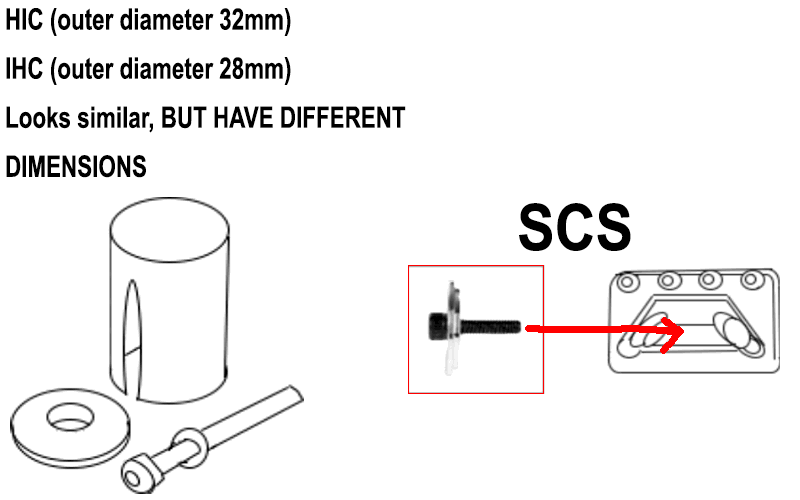
Starnut:
The bolt from the compression putty is screwed into the star groove. A starnut is a kind of disc that has barbs in the edge and a thread in the middle. The term starter nut is used for all front forks with a thread in the top (because the built-in thread acts as a star nut, even though it is not actually a star nut).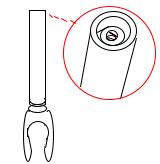
Compressoinsbolt:
The bolt used for the compression system. Some forks have a special compression bolt that only fits that front fork. Therefore, it may be important that it is included.Headset type
A deck can either be made with an integrated headset or a non-integrated headset. The thing about the decks with an integrated headset is that this type of headset is integrated inside the headtube and is thus far better protected than the more common non-integrated types of headsets.Deck width:
There are many sizes of scooter decks available. The most important thing for most scooters is that the larger your feet, the wider your deck should be as well, since you should be able to stand on the deck with both feet. However, it is a matter of taste for your own needs and desires. Typically, transport scooters have a narrower deck, as this creates the most speed.Deck length:
Scoops for scooters are available in many different sizes. Regarding the length of the deck of a scooter, the bigger your feet, the longer your scooter must also be so that you can stand as well as possible and have space for your feet. On the whole, though, it is a matter of opinion.Deck dropouts
There are two Dropout designs, Box-cut and Peg-cut. Box-cut is the most modern for tricks scooters. The vast majority of newer tricks scooters use box-cut. This provides greater stability at grinds and increases the surface of the deck, making it easier to land tricks. Peg-cut there are still many scooters that use, and some would also think it is better for certain tricks.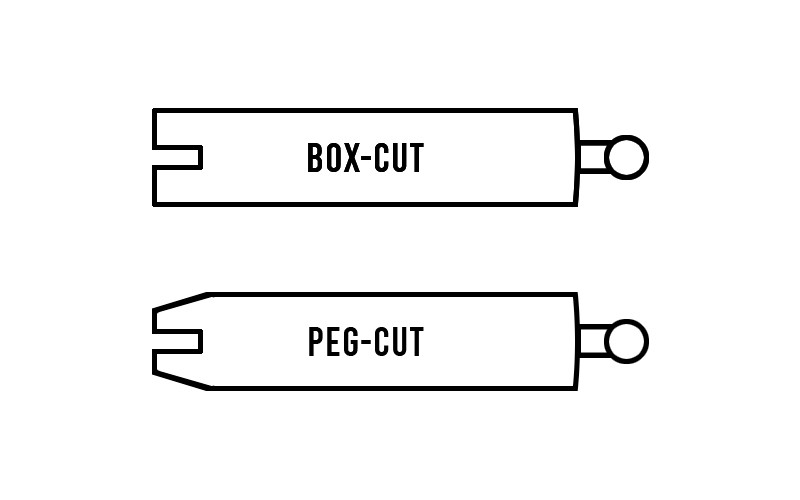
Deck weight:
The weight of the scooter deck depends on the material the deck is made of. Most often, most scooters, both transport scooters and tricks for tricks, are made of either aluminum or steel. Steel scooters are stronger and therefore have a longer life than scooters made of aluminum, however they are also a bit heavier. The most common for high quality tricks scooters is that the deck is made of aluminum. Most often, the cheaper tricks are scooters made of steel.Deck material:
The material deck is made of. The vast majority of scooters are made of aluminum or steel. Aluminum is a lighter material and is therefore available on high quality scooters. Steel is a cheaper material, and also weighs a lot more than aluminum. However, steel is a little stronger.Material strength quality:
The strength of aluminum is measured in tonnes, how many tonnes of aluminum is pressed under. A scooter deck of T4 aluminum is produced under 4 tons of pressure, where T6 means it has been pressed below 6 tons. The higher the metal has been pressed under, the stronger your scooter deck.Deck design
A deck can be produced as One-Piece or Two-Piece. One-Piece decks consist of parts that are welded together. This is clearly preferable if you have a trick scooter as the One-Piece has the best durability. Two-Piece decks are most often seen on transport scooters, which allow the scooter to be folded.Deck concave:
The concave is the curvature that goes inward on the deck. Concave provides stability in your landings, so it's easier for you to keep balance on your scooter. In addition, the concave also makes it easier to perform certain kinds of tricks. Most quality deck for tricks scooters are made this way.Deck brake:
There are a total of three types of scooter brakes. The spring brake consists of two parts and is typically found on transport scooters or cheap tricks scooters. Made of either aluminum or steel, the Flex Fender is a much stronger brake than the spring brake. Brakeless is for going 100% into tricks. That is a scooter that you cannot brake! This is optimal for doing tricks and will prevent your feet from landing on the rear wheel. It is important that you check to see if the brake you choose is compatible with the wheel your scooter has.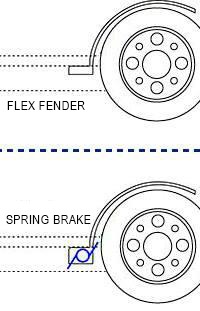
Wheel diameter
What size wheels can I mount on my scooter deck? If your deck has a brake fitted, you cannot put all the wheels on, as this should fit together. If no brake is installed, you can put all sizes of wheels on.Wheel Bolt
Does a wheel bolt come with this scooter deck? If no wheel bolts are included, then you should buy one yourself. Here it is important that you choose the right size.
Deck spacers
Do spacers come with this scooter deck? If spacers are not included, then you should buy some yourself. Here it is important that you choose the right size.
Deck griptape:
Is griptape included? What griptape makes sure is to keep you steady and firmly on top of the deck of your scooter. Without griptape it becomes much harder to stand firm and thereby increase the risk of losing balance and slipping off.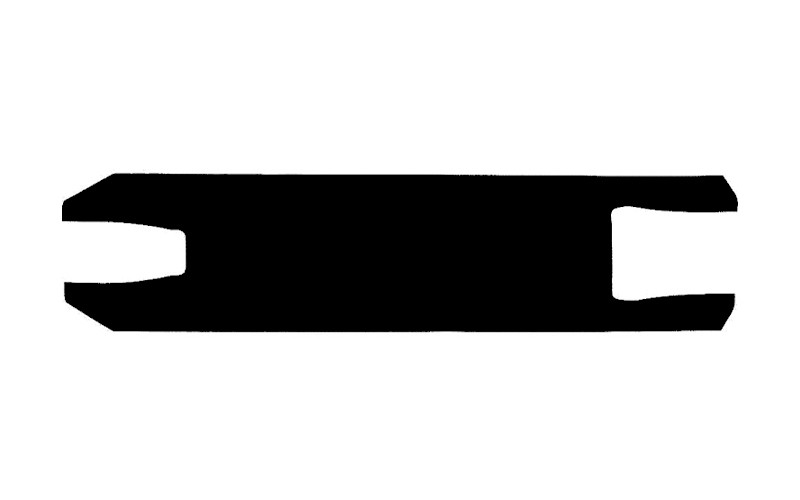
Wheel hub width:
The vast majority of scooter wheels have a hub width of 24 mm, and fit most tires. The actual width of the deck's cutout is greater than 24mm, but spacers are included to fit the wheel.Axle diameter:
Describes the diameter of the axle / bolt that will hold the wheel. The hole in the deck for the shaft / bolt is intended for a specific diameter.Headtube length:
The length of the headtube determines which front fork can be mounted on the deck. A long headtube provides better contact with the front fork's neck, as well as provides a stronger design. However, make sure that the headtube is not too long so that the front fork cannot be mounted.
Headtube angle:
The headtube has a standard angle of 82.5 degrees. This means that the wheel is located further forward and the bar closer to the rider. It provides directional stability.Clamp size:
There are many sizes of scooter clamps for different sizes. The main thing about the larger clamps is that they are stronger than the smaller clamps. However, small clamps are a lot lighter than the larger scooter clamps. Another thing one talks about regarding clamp sizes is what type of clamp it is. Very often, scooters use double, triple or quad clamps. These are larger and stronger than a single clamp and therefore also ideal for trick scooters, as they should preferably be able to withstand hard shocks. Typically, transport scooters and scooters for children use single or double clamps, as the same strength is not as necessary and may also weigh less, which is valued for fun or transport.Inner diameter:
The inner diameter of your clamp should be the right size to fit your scooter. Trick scooters, transport scooters and kids scooters are all different and vary in sizes. Therefore, it is imperative that you always check, as one of the first things, whether the clamp you have chosen is the right size and fits your scooter.
Clamp's weight:
The weight of your scooter clamp. The weight of the clamp has the same meaning as the size, as the two in a way go hand in hand. The heavier a clamp, the bigger and stronger it is too. The heavier clamps are often double, triple or quad clamps, which are more often used on tricks scooters, as they must be able to handle strong shocks. The lighter clamps are typically single or double clamps, and are generally used for children 's scooters and transport scooters, as they prefer not to weigh too much.Compression for clamp:
Some scooter clamps are fitted with a compression system prepared for SCS systems. Scooters that are not fitted with a compression system can be used for all other systems. However, the diameter of one's clamp must fit exactly to the wheel of your scooter.Bolts:
The number of bolts to tighten the clamp on your scooter. The number of bolts is what determines which clamp your scooter has. That is, whether it is a single, double, triple or quad clamp. The strongest clamp is a quad clamp, and the lightest by weight is a single clamp. You want the clamp on its trick scooter to be strong, so it clears beats and bumps better. On the other hand, you want your child's scooter or transport scooter not to weigh too much.Brake type:
There are a total of three types of scooter brakes. The spring brake or flex fender brake type are the most common for transportation and trick scooters. For trick scooters, the most frequent brake type is the flex fender, which is designed as a one-piece design. This makes it incredibly simple and smart for scooters.Size:
The size of your brake for your scooter. Brakes for scooters come in more than just one size, as there are also many sizes of scooters. The most important thing about the size of the brake you choose is that it should fit your scooter. Therefore, you always have to remember to check it if you have to buy a new brake for your scooter.Material:
The material brakes for scooters most often made of are either steel or aluminum. What applies to these materials is that steel is stronger, more durable, but also a bit heavier. Which makes it ideal for trick scooters as they should preferably be able to withstand hard shocks. Aluminum is a lighter material that is also durable, but not nearly as much as steel. Therefore, the more cheap quality scooters will more often apply brakes of the material aluminum.Weight:
The total weight of the brake for your scooter. In relation to the weight of a brake, most material plays a role for it. Aluminum brakes weigh less than steel brakes, but are not as strong and durable. For transport scooters and children's scooters, you prefer not to have your scooter too heavy, and conversely for tricks scooters, it is really smart that the brake is strong and durable, so that it can better handle the bumps during tricks and stunts.Bar compatibility:
There are several types of compression systems for scooter bars. Therefore, it is important when finding a bar for your scooter that you are aware of what type your chosen bar for your scooter is compatible with. Different types of compression systems for scooter bars all have varying advantages.Bar height:
The total height of the scooter bar. There are many sizes of scooter bars. Whether it should be higher or lower is most of all a matter of taste and what is best for what you want to use your scooter for. This is what the individual rider can best assess and decide for himself.Bar width:
The total width of the scooter bar. Scooter bars come in many different sizes, heights and widths. Some would prefer to have a wider bar for their scooter, others would prefer a narrower one. Whether it should be one or the other is a matter of taste that the individual rider can assess and decide for himself.Bar material:
The material scooter bar is made out of. The two most widely used materials for scooters are made aluminum or chromed steel. The good thing about aluminum is that it is not as heavy a material as steel and is still a highly durable material. However, not nearly as strong and durable as chromed steel, which conversely weighs a lot more than aluminum. Trick scooters are most often made of chrome-plated stand, as these kinds of scooters must be able to handle some bumps and punches during the practice of tricks.Weight:
The total weight of the scooter bar. The weight of the bar depends mostly on the material it is made of. What is typically applicable is that the heavier scooters of, for example, chromed steel, are that they are stronger and more durable. On the other hand, aluminum scooters are significantly lighter.Outer diameter:
The outer diameter of the bar. The essential thing about the outer diameter of a scooter bar is that it must be able to fit with the front fork and the clamp your scooter is equipped with. If it does not fit, the assembly of your scooter becomes completely impossible, so be sure to check it out before purchasing.Inner diameter:
The inner diameter of the bar. What applies to the inner diameter of the scooter bar is the very fact that it can fit your scooter's forks and clamp, just like your scooter. That is why it is important to check this out before you choose and buy a bar for your scooter.Bar design:
Design of the scooter bar. Overall, there are two types of scooter bars. One-piece and two-piece bars. A one-piece bar is made as being only part. This is smart for trick scooters as the strength of these scooter bars increases a lot. Two-piece bars are made of two parts, which opens up the possibility of, for example, adjusting the height of its bar, but also a weaker point on the scooter which makes it less effective for tricks.Bar SCS:
If the bar for your scooter is made with the SCS compression system you have a very strong, but also slightly heavier scooter bar. This will make your scooter ideal for a little bit of each, but especially for tricks, as the strength will make sure your trick scooter can handle all the bumps and shocks that occur during the performance of your tricks.Inner diameter:
The inner diameter of the bar has an effect on which compression system the bar fits. The inner diameter of the bar is either 28mm or 32mm. Inner diameter of 28mm fits IHC and some SCS compression systems. Inner diameter of 32mm can be found on an oversized bar, and fits HIC and some SCS compression systems.A steel bar has an inner diameter of either 28mm or 32mm. An aluminum bar always has an inner diameter of 28mm.
Outer diameter:
The outer diameter of the bar matters which clamp fits the bar. The outer diameter of the bar is either 32mm or 35mm (oversized). Outer diameter of 32mm fits 32mm clamps and IHC, and in some cases SCS clamp (often requires a shim because most SCS clamps are designed for 35mm oversized). Outer diameter of 35mm is called an "oversized bar", and fits oversized (35mm) clamps and in most cases SCS clamps.A steel bar has an outer diameter of either 32mm or 35mm (oversized). An aluminum bar always has an outer diameter of 35mm.
SCS Ready:
Indicates whether the bar has a wear (slot) in the bottom or not. A wear-free bar is "SCS-ready".(If you want to use a bar with wear on your SCS clamp, you must buy a SCS bar adapter that fits the inner diameter of your bar)
Wheelsize:
The size of the wheels on a pair of rollerskates is a very important thing to have in mind when you wish to buy a pair. Smaller wheels are easier to maneuver and therefore provides a greater control. Larger wheels are far more durable and keeps up speed better too. Before choosing a wheelsize, you might want to consider how far you want to roll. If you are going on a long trip, bigger wheels are an definit advantage because they keep the pace high and therefor save you some energy. On a shorter trip however, small wheels are smarter because they are easier to maneuver as well as stop. The wheel size depends on the actual rollerskate and what it is used for. In freestyle you often see small wheels, while hockey players use medium sized wheels and then you see big wheels in race rolling and freeride.Bearings:
The bearings are the things that makes the wheels on your rollerskates spin and roll. The quality of the bearings are divided in ABEC-values, and the higher the value, the better the quality. ABEC-5 is the standard bearings. You can get both better and worse quality bearings than these. You usually use ABEC-7, -9 or -11 on a pair of rollerskates, where ABEC-11 is the best. A pair of rollerskates use 16 bearings.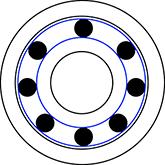
Wheel hardness:
The hardness of your rollerskates wheels is measured on the durometer scale, which goes from 0-100 A. 100 A is here the absolute hardest. Harder wheels have a great durability and quickly gains speed. Softer wheels are worn down faster, but a lot more stable than hard wheels.Frame material:
The material of the frame on the rollerskates are typically made of aluminum or plastic. An aluminum frame is very durable and stiff and does not cause as much friction as a plastic one. The plastic frame is not near as durable as the aluminum frame is, but it is cheaper.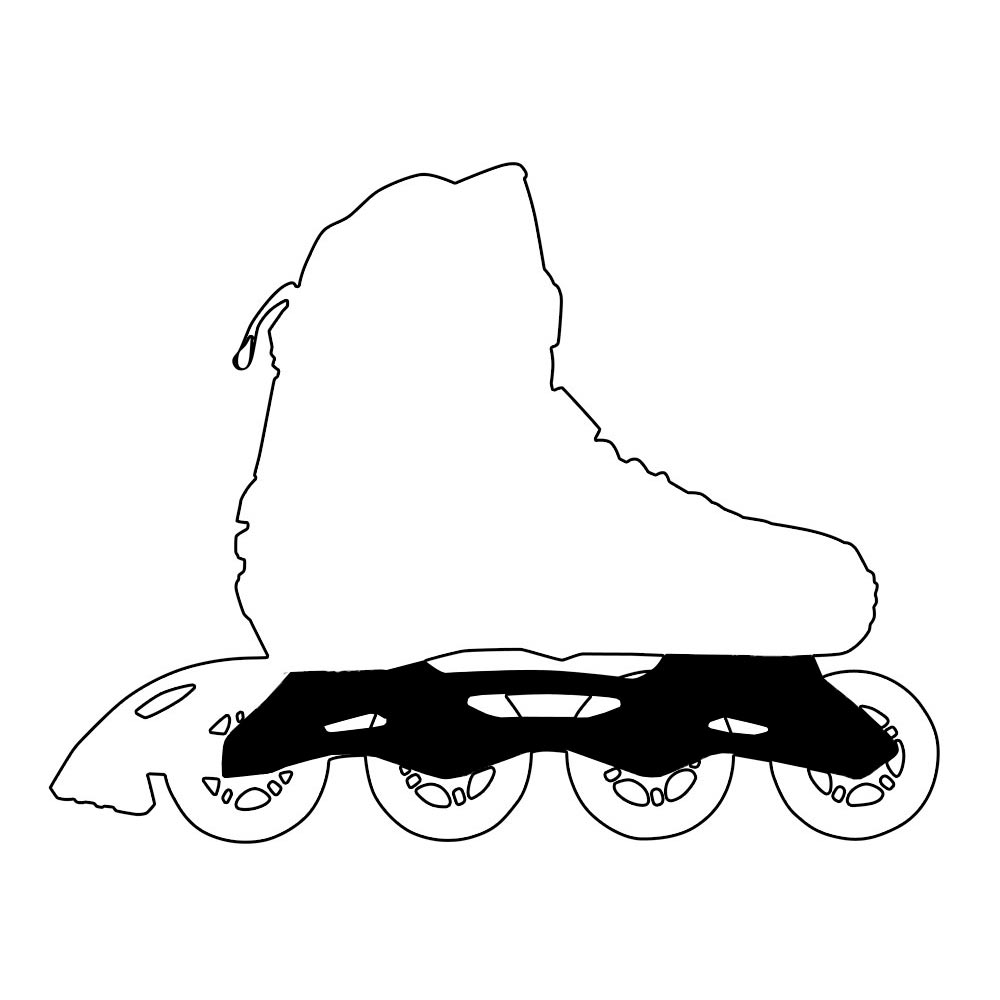
Boot material:
This is the outer layer of the rollerskate boot. Leather is some of the finest material a boot can be made of and it is also very durable. A leather boot is also the most comfortable. A boot of plastic is also durable and weighs less as well. It provides better stability and control because the material is harder, but is not as comfortable as leather. Some boots are made of mesh, which is used to minimize the heat a bit.
Weight:
This is the total weight of the rollerskates. Lighter rollerskates are easier to maneuver with than heavier rollerskates, which can come in handy when rolling along the streets. However, because of that lighter rollerskates are typically more expensive than the heavier rollerskates.Skill level:
Shows the recommended skill level for skating with the specific skates.Recommended for:
Shows what type of skating this product is recommended for. It could be speedskating, roller hockey, normal fitness skating or another type of activity on the skates.Liner material:
The liner material is the material the inside of your skate is made of. Breathable materials help minimize the heat generated in your skates, and soft materials like foam, improves the comfort in the skates.Closure:
The closure system on your skates is crucial in the skate’s stability and fit. The classic closure setup includes laces from the toes to the top, a power strap in the middle of the skates and an adjustable buckle at the top.Brake:
Shows if there is a including break, and if it's in the front of the skates or in the back of the skates.Cuff:
The cuff on your skates plays an important role in keeping your foot stable. A high cuff will provide you with more stability, but you will lack flexibility. A mid cuff will still provide you stability bur will give you more flexibility, this is often seen in hockey skates and side by sides. A low cuff is normally seen in speedskating, where the cuff is very low, so you don’t have so much stability, but have the maximum flexibility around your ankles.Boot type:
Boot type tells the construction of the outer shell of the skate. The outer shell has a big impact on the stability of the skates. We have two different kind of boot type, soft shell, and hard shell. A skate with a soft shell means often that its more comfortable and a hard shell will give more stability.Frame type:
You can get different frame type, according to the use of the skates you need. The normal setup is called a flat frame and is where all the wheels are the same size. With the frame type High/Low is the wheels different sizes (those in the font is smaller), this helps you with lowering your center of gravity, and the smaller wheelbase also give you more manoeuvrability. Another typical setup is for aggressive skates if you like freestyle skating on ramps, this setup is with smaller wheels and a space between the two middle wheels so you can glide on the rails.Comfort:
How comfortable is this poncho?We have tested all our ponchos on the webshop and can therefore give the user our best recommendation. Kitedanmark's recommendations are given in stars where 0 stars are the worst, and 5 stars is a poncho with the best comfort.
Material:
The material the poncho is made of.Your poncho material There are typically two materials a poncho is made of, Microfibre and Cotton. Microfibre ponchos are usually slightly cheaper, but the quality also follows. Cotton is the deluxe version of a poncho and therefore you get a really comfortable poncho.
Size:
The height x width of the poncho.The size of the poncho can help give you a better idea of what size is best for you. As shown in the picture, the height at the bottom of the poncho is measured to the top of the sleeve. The width of the poncho is measured at the bottom of the poncho, from one side to the opposite horizontal.
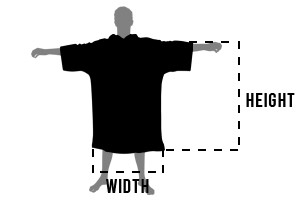
Weight:
The weight of the poncho.Most often, microfibre ponchos are typically lightweight, and a cotton poncho is a bit heavier. This is because cotton is heavier material and most often also has thicker layers.
Length:
The total length of the deck is what's important for the boards riding abilities as well as the stability. Generally, these guiding points can be followed:- 55,9 cm (22") Children below 10 years
- 68,6 cm (27") Adults and older children
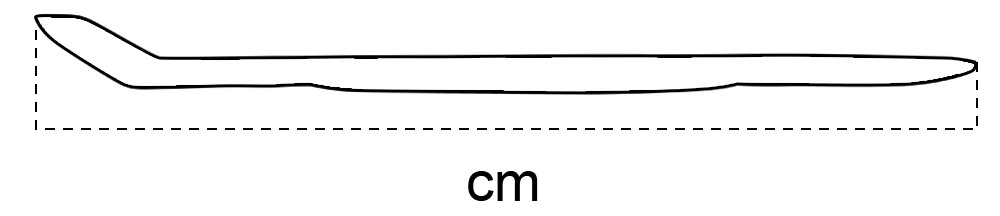
Width:
The widest place on deck is what decides the feet's placement. Wide boards are often suited for maneuvering, where the feet's grip or the surface is in focus. Sliding, Freestyle, Carving and narrow boards is more for cruising and transportation. Another thing to be aware of is that you may find difficulty in holding your balance when accelerating with one foot, if there isn't enough space on the pennyboard for the feet.- 15,2 cm (6") Children below 10 years
- 19,1 cm (7.5") Adults and older children
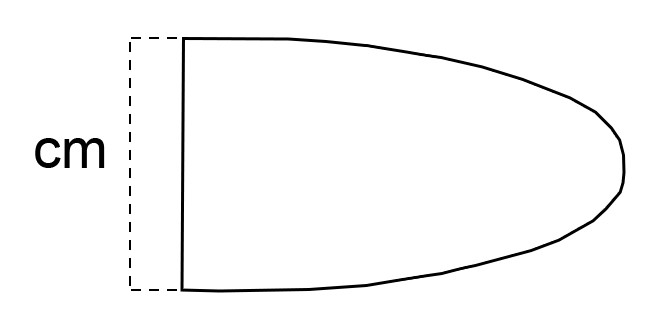
Deck materiale:
The material of the deck matters in terms of flex, durability and quality. By far the most penny boards are made of a Nylon material. However, there are various qualities of Nylon where some are better than others. There is also some penny boards that are made out of wood.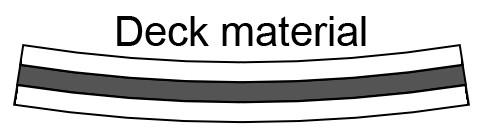
Weight:
The total weight of the Penny board assembled. A heavy deck typically lasts longer than lighter decks, due to having more layers and thus with less layers the lighter decks don't last as long, but are of course much lighter. A lighter deck typically has more flex, which makes the board more alive and fun.Wheel:
The wheel's edge matters much for its abilities. A wheel with a rounded edge easier releases of the ground than a wheel with a square (sharp) edge. The size of the wheels should depend on your riding style. Wheels with a great diameter are well suited for comfort, speed and grip, where as wheels with a small diameter are for tricks and maneuvering. The width of the wheel decides how much contact you have with the ground. More contact on the ground with wider wheels gives comfort, stability and grip, less contact on the ground with narrow wheels provides better speed, maneuvering and easier release onto slides. There are also different kinds of rubber which play a part in choosing your wheels. The best rubber is called PU and is very soft and comfortable. A cheaper alternative is called PVC and is both harder and more plastic like. In general you can say that for freestyle, hard, small wheels with round edges are the choice for you. While freeride or cruise needs big, soft square edged wheels.Wheel hardness:
The wheels hardness decides how fast og komfortable your pennyboard rolls. When determining the hardness of the wheels, one uses the durometer scale. It measures from 0-100A. 0 is the softest og 100 is the hardest availability of wheels. With soft wheels, maneuvering and the reaction ability becomes better. With harder wheels the speed and stability increases.Bearings:
Bearings are divided into ABEC. High ABEC values mean that the bearing is made with more precision and therefore better quality. It is recommended that your ABEC-value is higher for higher speeds and lower if your wheel will have a lot of impact. For a pennyboard, one would usually use an ABEC-7, -9 or -11 value, of which ABEC-11 is the best. Bushings are also used for pennyboards and they come in different qualities that are each best suited for different riding styles as well as needs.Griptape:
Some pennyboards has a grip tape located at the top of the deck, but by far the most pennyboards are without grip tape. The grip tape is sandpaper, which helps keep your feet on the deck. It is still possible to use a pennyboard without grip tape. Should there be no grip tape included with your board, you can always buy some, just keep in mind to get the correct size. There are diiferent types of griptape, one called clear sand and another more regular sandpaper like tape. However griptape isn't necessary when using a pennyboard.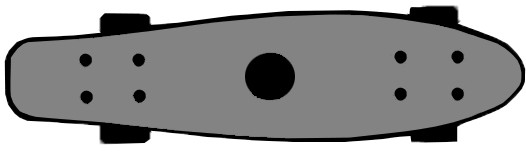
Thickness:
The thickness of your neoprene gloves is crucial to how warm they are. The thicker the neoprene, the warmer your gloves are. However, you lose some of the flexibility of the gloves by choosing a very thick neoprene glove. A typical winter neoprene glove is 3-5 mm thick, where a spring / autumn glove is usually 1-3 mm thick.
Type:
There are 3 different types of neoprene gloves. The normal glove is the one with 5 fingers . This type of neoprene glove is the most flexible glove, however this is not the hottest type of neoprene glove. Lobster is an intermediate thing that has one between flexibility and heat. This type of neoprene glove is very popular for Danish winters. Luffer are the hottest type of neoprene glove, but flexibility is not as good as the other types of neoprene gloves.
Year:
Every year, the quality of neoprene gloves is made better and better. That is why we at Kitedanmark recommend that you find a neoprene glove that is not older than two years for quality.Surf Feel / Carving:
Carving is a unique riding style within longboarding that is very similar to ordinary surfing on the water. When carving, you push your body weight alternately toward your heel and toe so you end up skating in an "S" shaped pattern or a soft wave shape. Once you've learned to carve properly, you'll experience extremely good control over your board.Cruising:
Cruising is probably the most relaxing form of longboarding there is. It is generally about going out and enjoying the worlds beauty and having fun. A good cruise trip usually involves a lot of carving in all kinds of speeds, as well as some freeride and speed check. It can also be when you use your board as transportation, to attend school or at work. There are really no limits in crusing.Freestyle:
Freestyle longboarding consists largely of technical stunts. Many of the stunts are inspired by the classic and traditional stunts we know from regular skateboarding. These are usually stunts where you pop the board off the ground and do a lot of flips and spins.Long distance push:
Long distance push is a riding style that, as the name suggests, is about riding longer distances at a time. The riding style requires a board with a comfortable setup and good performance, so it's comfortable and efficient on the long trips. LDP boards are usually very close to the ground as it allows the skater to push it up from the ground without having to dip very much.Downhill:
Downhill is a highly technical high-speed riding style that requires you to be an expert in longboarding, as it may otherwise be extremely dangerous. It consists of riding downhill on mountains, racetrack areas or similar, while sliding side to side and playing with the speeds.Length:
The length of the longboard deck has a major influence on the riding characteristics of the longboard, and how stable you stand. Longer longboards are usually easier to stand on than shorter longboards, as this gives you a wider footstep. Generally, longboards with a length of 0 - 32 "are called mini cruisers, while longboards with a length of 33" - 37 "are known as small longboards. Both sizes are best suited for cruising and transportation. Slightly longer boards with a length of 38 "42" are the most regular longboards and they are best suited for carving, freeride and freestyle. The longest longboards range from 43 "- 48" and are called large longboards or dance boards. They can be used for both carving, crusing, freestyle, and downhill.Width:
Your boards width depends on your footsize. You need to have space for your feet on the board. This also means that the bigger feet you have the wider your longboard needs to be. Boards with more width are often suitable for maneuver where your feet or grip surface is in focus: Sliding, Freestyle, carving. Narrow boards caters more for cruising and transport.
Wheelbase:
The wheelbase is the distance between the two trucks of the board. The wheelbase alone gives the board its capacity of changing direction. Long wheelbase allows more control over your change of direction, which is ideal for downhill and slides. If you want to use your longboard for cruising, carve or downhill a wide wheelbase would be ideal, whereas a short wheelbase would be better for freestyle and city riding, where you take small sharp turns all the time.
Deck material:
The material of the deck is relevant to flex, durability and quality. If you want a flexible longboard, bamboo is the best sollution for you, it is however not very sustainable. For a sustainable longboard you should choose one made of canadian maple. There is a way to make the decks either more durable or more rigid. It involves a a procedure where a layer of either fiberglass or carbon is incorporated in the materials. The thickness of these layers gives the deck more durability or stiffness. There are many different combinations of these materials that can be made, to make the perfect longboard just for you. The best materials are canadian maple mixed with carbon or fiberglass and the bad materials are recycled wood, since this has zero flexibility. Other half bad materials are chinese maple, whicg has very little flexibility as well. En general when speaking about wood, one determines the quality after how many knots and impurities are in it. The fewer the better.Concave:
Concave is an inverted curvw that extends from edge to edge of the longboard deck surface. The whole point with concave is to give your board a better reaction capability by pulling up the edges of the board so that they are tightly under the skater's feet. In general, concave allows you stand firmer and have a better grip when skating.Flex:
The flex of a board are an expression of stiffness. Stiff boards have a very fast steering and provides stability and control, which is suitable for Sliding, Freestyle and Downhill. Flexy boards are not very stable, but more comfortable to ride as the deck adapts to your movements. Flexy boards are therefore suitable for carving, freeride and Cruising.Deck form:
Longboard decks are available in many different forms. One of them is called Twintip. Twintip boards are symmetrical and can ride equally in both directions and is therefore good for Slides, Freeride, Freestyle. Pintail boards are inspired by surf boards, with narrow ends and are suitable for cruising. At last we have Directional boards, which can have different shapes. They are directional as the name indicates, which is often used for Downhill and cruising. Longboards can actually also have kicktails, making it possible to pop a board and thus do tricks etc.Weight:
The longboards total weight, when assembled. For you to be able to ride, do tricks and other tough longboard maneuvers like sliding and aggresiv riding with quick turns and so forth, you need to have a longboard that isn't too heavy. On the other hand, your longboard shouldn't be too light because light weight longboards often have lower durablity and easily breaks.Wheel edge:
The edge of the wheel have a greater meaning of your riding style. Wheels with rounded edges are better for street riding and ramps. Wheels with square edges are on the other hand better for longboards used as a transport. In generel when riding feestyle, one should use smal hard wheels with rounded edges. A Longboard used for freeride or cruising however, should have big, soft, square edged wheels.Wheel diameter:
The size of the wheels should depend on your riding style and what you will use your longboard for. Large diameter wheels are suitable for comfort, speed and grip, while the wheels of small diameter is good for maneuverability and tricks. The width of the wheel determines how much contact you have to the ground. More contact with the ground (wide wheels) provides comfort, stability and grip, less contact with the ground (narrow wheels) provides speed, maneuverability and easier slip for slides.Wheel hardness:
The hardness of a wheel is measured on the durometer scale which ranges from 0 - 100A. 0 is the softest and 100 is the hardest. Soft wheels provide comfort and less strokes for unevenness on the road. Hard wheels provide speed and provides easier-slip for slides.Here are some examples of the hardness, you usually see on longboards.
Wheels with a hardness from 78a-80a make your trips smooth while keeping a good grip on the ground. They are perfect for all-round riding.
Wheels with a hardness from 81a-83a are fast and will only have a little resistance from the ground. However, these wheels will last longer than soft wheels and work well with skaters who are looking for more advanced things.
Wheels with a hardness from 84a-86a are quite hard and do therefore not have a very good grip on the ground. They roll super fast and are easy to slide on, but not as comfortable as soft wheels.
Wheels with a hardness of 87a and up are very hard and therefore have almost no grip. They are good at more traditional skateboarding.
Bearings:
Bearings are divided into ABEC. High ABEC values mean that the bearing is made with more precision and therefore better quality. This means that bearings of ABEC-7 value are better than bearings of ABEC-5 value. It is recommended that your ABEC-value is higher for higher speeds and lower if your wheel will have a lot of impact. Bushings also come in different quality levels, and here some bushings are also better for different riding styles.Truck Size:
Trucks come in various shapes with different angles. Higher angles are designed for more carving turns and lower angles are intended for fewer turns.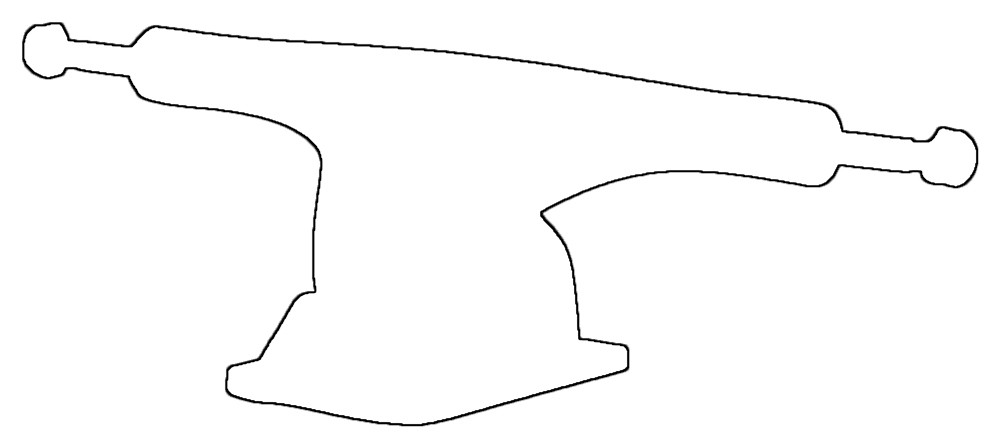
Truck mounting:
There are two ways to mount a truck. Top mounted trucks are mounted on the underside of the deck. This is clever because you avoid having the truck in the way of your feet, while skating. The drop-through truck passes through the deck which increases the stability. Top mounted trucks are mostly used for freestyle and cruising boards. Drop through gives the board a lower center of gravity and can be used for all riding styles. Both types of mounting have their pros and cons, but your choice depends a lot on which riding styles you use and how technical the stunts you perform are. If you are snowboarder or surfer and want to have a similar feeling on your longboard, then look for a drop-through truck. However, if you're looking for maximum speed and great response, you should get a top-mounted truck.Griptape:
Grip Tape comes in many levels of roughness and kinds. The rougher the grip tape is, the better and firmer you will stand on the longboard. However, with rougher grip tape you will have to compromise the longevity of your shoes, since the rougher grip tape means that it will be rougher on the soles of your shoes as well. As mentioned there are different kinds of griptape. One is called clear sand, which is a layer of see through epoxypaint mixed with sandgrains, which then becomes as rough as sandpaper. This type is usually used on longboards where you would like to see the wood through the griptape. The most common griptape is a kind of rough sandpaper with stick on the back, so you can put it on you longboard. Griptape is a necessity on your longboard, otherwise you cannot stand firmly.Material:
What material is the jacket made of?Most jackets are made of polyester which can also be wind and water resistant. The majority of jackets have a form of inner lining which is available in different materials. Here we recommend cotton for the best comfort.
Waterproof:
Is the jacket waterproof?A waterproof jacket can withstand rain and water spray.
windproof:
What is a windproof jacket?If your jacket is windproof, it means it will not let in wind. This is optimal for the autumn / winter days, and for the surfer who is always on the windy beaches.

Size:
The height x width of the jacket.The size of the product can help to give you a better insight into which size suits you best. As shown in the picture, the height at the bottom of the jacket to the top of the sleeve is measured. The width of the jacket is measured at the bottom of the jacket, from one side to the opposite horizontal side.
Close system:
How does the jacket close?There are two ways a jacket can be closed, it can be either 1-way or 2-way.
1-way is the most common system, and also the standard system. 2-way is a newer system, and also more convenient.
Weight:
The weight of the jacket.Headphone type:
There are several types of headphones available. The big difference between the different types is how they sit on the ear. You can have some sitting inside the ear, outside the ear and on the ears. Each of these types of headphones is better for either or both in terms of sound quality and ease of use. When choosing a type for headphones, the choice depends most on what best suits you and your needs.
Connection:
There are mainly two types of connection methods, wireless or wired. However, certain models of headphones are designed to work with both. For the wireless, the connection usually works via a Bluetooth connection type that makes it easy and fast to use. For the wired, simply connect with the right cable to, for example, your phone or computer.
Battery life:
The wireless headphones have a built-in rechargeable battery. The quality of the different batteries varies depending on the battery life. Most headphones have a battery life of 3-5 hours. However, there are some high quality batteries that can last for longer than this. Note that headphones that use cable are not on battery. Therefore, these headphones can play indefinitely.
Microphone:
Some headphones are made with a microphone included. This allows you to use voice chat, which can be used during conversations over the phone or when playing on your computer. Having a microphone included can be smart for them on the go, as they will be able to answer their calls very easily.
Mounts:
Some action cameras comes in a package with a lot of mounts you can use to mount your camera on top of anything from surfboards to helmets, ski poles and so on. Mounts for your action camera make it very easy to capture all your awesome experiences with, because they provide such great opportinuties for lengths your camera can go and on top of that they make your films much more alive.
720p:
720p is the lowest quality of HD (high definiton) resolution available for new screens and cameras. The resolution on your action camera is therefor also recommended to be able to record in this format, as a minimum. The number 720 refers to the 720 horizontal lines (the height of the recordings) and the p stands for progressiv, meaning that each frame recorded is in full HD resolution. With 720p resolution you usually see either 24fps (frames per second) or 25 fps, which is the usual frame rate for televison and film.
1080p:
1080p is like 720p HD (high definition) resolution, 1080p is however even better. The number 1080 refers to the 1080 horizontal lines (the height of the recordings) and p stands for progressiv, which means that each frame you have recorded is in full HD resolution. 1080p can accept a frame rate all the way up to 60fps (frames per second), which is more than double the amount seen in a regular movie.
2.7K:
2.7K is ultra HD (high definition), which means that it allows even better resolution than for example 720p or 1080p. 2.7K basically means that there are about 2700 horizontal lines on your recordings, which it is the height of them. 2.7K is of higher quality than most computers and TV's allow, but this just means that you have every opportunity to zoom and create slow-motion all you like, without worrying that the resolution will decrease. The one thing to be aware off with 2.7K is that the size of your files will be alot bigger and therefor take longer to download.
4K:
4K is like 2.7K ultra HD (high definition), which is even better than regular HD like 720p and 1080p. The number refers to the about 4000 horizontal lines, meaning the height of the recordings. 4K records in so high quality that your recordings or pictures wont lose any quality when you edit them, by either zooming or making slow-motion. 4K does not record with more fps (frames per second) than 1080p, but it has such incredible resolution. Be aware of the fact that your recordings and pictures recorded in 4K become bigger files than usual HD files and will therefor take longer to download.
LCD screen:
It is practical to have a screen on the back of your action camera, since it allows you to watch along while recording. With a screen on the back of your camera you have the possibility to also change the settings on the camera. Our actioncameras offers you an LCD screen, which is a good light weight screen that gives you the necessary quality you need when watching your footage.
Waterproof housing:
If you require to have your camera down below water, you need a waterproof camera housing. Most actioncameras come with waterproof housing, but always make sure to check exactly what your waterproof housing can manage before using it for diving for example. It is vital that it can go several meter under water if you don't want it to break.
Megapixels:
If you are looking for an actioncamera with high resolution, meaning great picture quality, then megapixels is what you need to be on the look out for. The more megapixels your camera has, the better quality and greater pictures are you able to take.
Rechargeable battery:
There is many types of batteries for action cameras. Some batteries are able to contain a lot of charge, while others far less.We therefore recommend that you buy several batteries for your action camera. In doing so, you will be able to film for hours without constant interruptions.
WIFI:
Some action cameras comes with a build in function for WIFI. Using that you are able to connect your action camera to your phone as well as other devices. This is a very practical, since you will have full control of your action camera and every file on it.
App:
The name of the app for your action camera. You can download the app on App store if your are using iPhone/iPad. If you are an Android user you can find the app on Playstore.
Lens:
The quality of your action camera is important to be of top notch quality and som times that depends on the lens. Some camera lenses films in wide, which means the footage will be recorded widely, other are specified for zoom and so on. A wide lens is useful for your action camera, since one typically films from their own angle (POV).
Total height:
The total height of the BMX bike. It is recommended that the height of your BMX bike should suit your height, herafter factors such as wheelsize and top tube play a part. However, the size of your BMX bike also variate according to your style of riding. Is the total height of your BMX bike too high, you will experience a lack of performance in maneuvering and is it on the other hand too low, will it eventually become uncomfortable.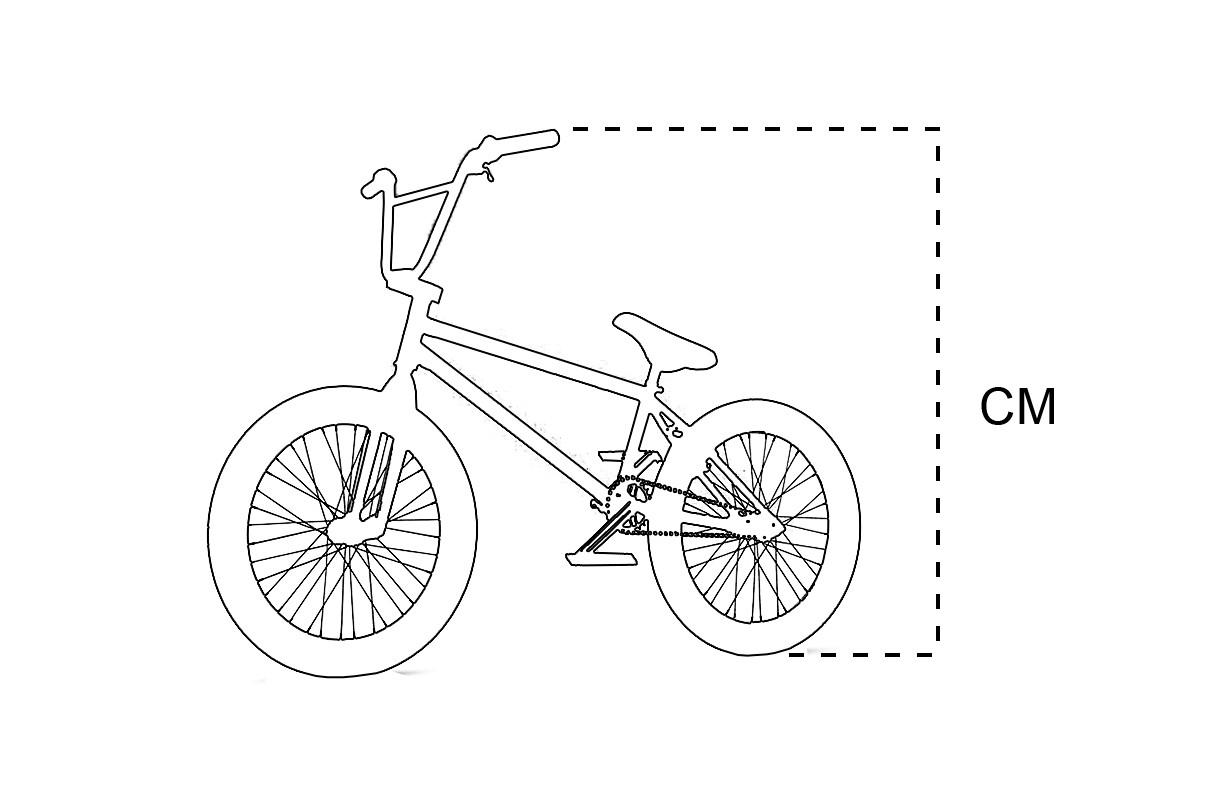
Weight:
The total weight of the BMX bike. The weight matters a great deal for the feel and ability to perform tricks. The less your BMX bike weighs the better quality it is, because it is exactly the expensive, high quality materials that weigh the least. If you for example compete in BMX races, you will find that a light BMX bike is essentiel for your ability to perform tricks and flips easier.Headset type:
When choosing a headset for your BMX bike, you will have to standardmodels to choose from and those are the intergrated headset and the non-integrated headset. An integrated headset is better protected and much more durable than a non-integrated headset, since integrated headsets most commonly are located inside and outside of the head tube. That is why the integrated headset typically lasts much longer.
Bar material:
Bars for BMX bikes are usually made from either steel or aluminum. Steel is a very strong and durable material, whereas aluminum easily gets worn and without the same strength. Bars made of steel are therefor very strong, but also a lot heavier than bars made of other materials, such as aluminum. It id worth mentioning that aluminum bars are alot more common among BMX bikes, because they are so cheap.
Blade material:
The blade on a BMX bike is often made of chromed steel, since it is the best qualified material for a blade. However, there are also cheaper alternatives, such as aluminum, which then won't be as durable as chromed steel.
Gear ratio:
The gear ratio determines the amount of teeth there are on the blade and the rear blade. If you got more teeth on the front wheel you'll experience a tougher gearing and stepping on the pedals will therefor also be harder. If you on the other hand have more teeth on the rear wheel, pedaling will be easy because the gearing will be lower.
Cranksets:
A crankset is vital since it's job is to bring forth all the power from your pedaling to the actual BMX og with that, bring you forward without wasting too much energy on resistance. There are therefor many different cranksets and the fewer parts included, the smoother your pedaling will be. A typical crankset is a Two-Piece or a Three-Piece.
Wheel diameter:
The size of the wheels should depend on your preferable riding style. If your focus is a great riding experience with a sweet flow and a nice speed, then you should go for larger wheels. Where as you will need to go for smaller wheels if you focus on quick reactions and an overall better control. Most Race BMX bikes have wheels that are 20'', while freestyle BMX bikes vary between 16'', 18'' and 20''.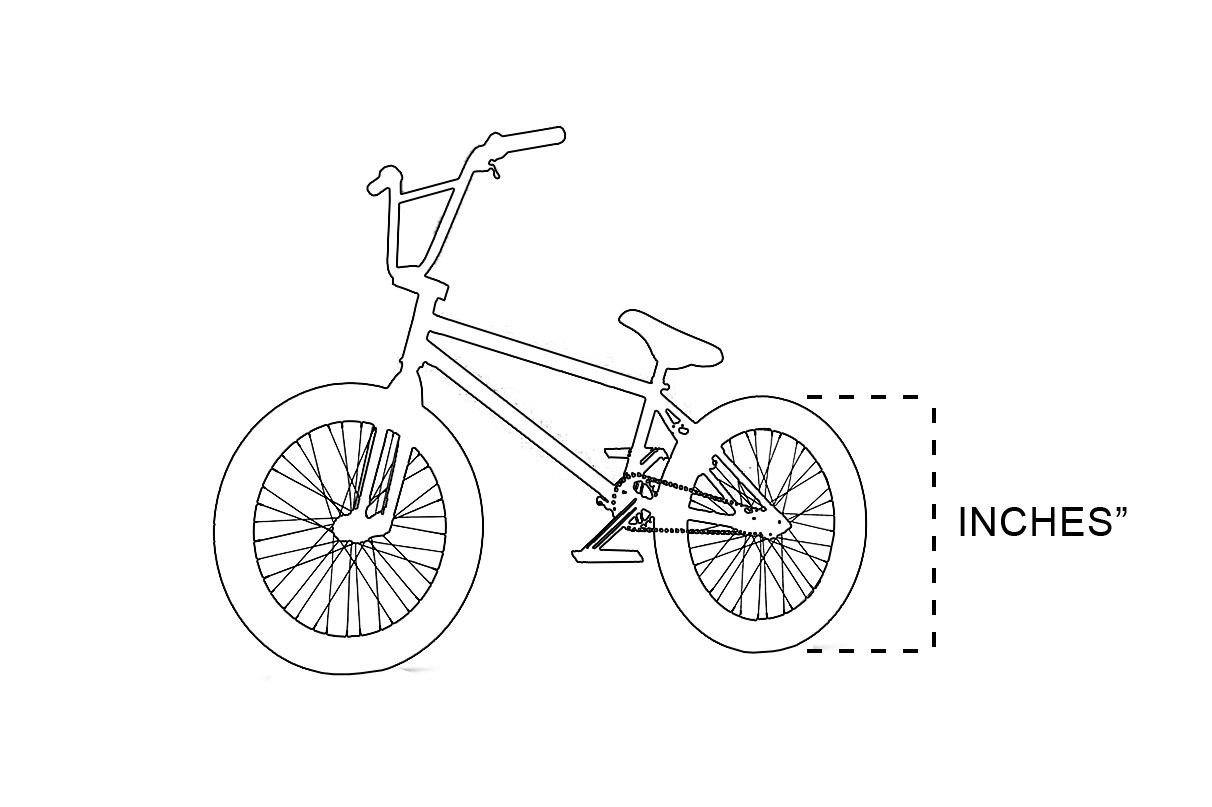
Seat
There is various sorts of seats available for BMX bikes. You have Pivotal, Combo, Tripod and Rail. Pivotal is put on from the top and will make it so that you can adjust the angle after your needs. The Combo seat is a seat put together with a saddle stick, permanently. Tripod is seat that can't be adjusted, because it is mounted at the bottom, which then limits you to only sit in one angle. Rail seats are mounted on the BMX bike with two rails and a saddle stick included. After choosing your exact seat type, you should also consider the width. Here you have three options: the narrow seat, the medium wide seat and the wide seat. If you participate in race driving, you will prefer a narrow seat, since it doesn't get in the way of your pedaling, where as a rider who makes alot of tricks probably will prefer a wide seat so that he or she will be able to hold on with the thighs, when making tricks without hands. the medium wide seat however, is a great compromise between the two and is therefor also what most people choose.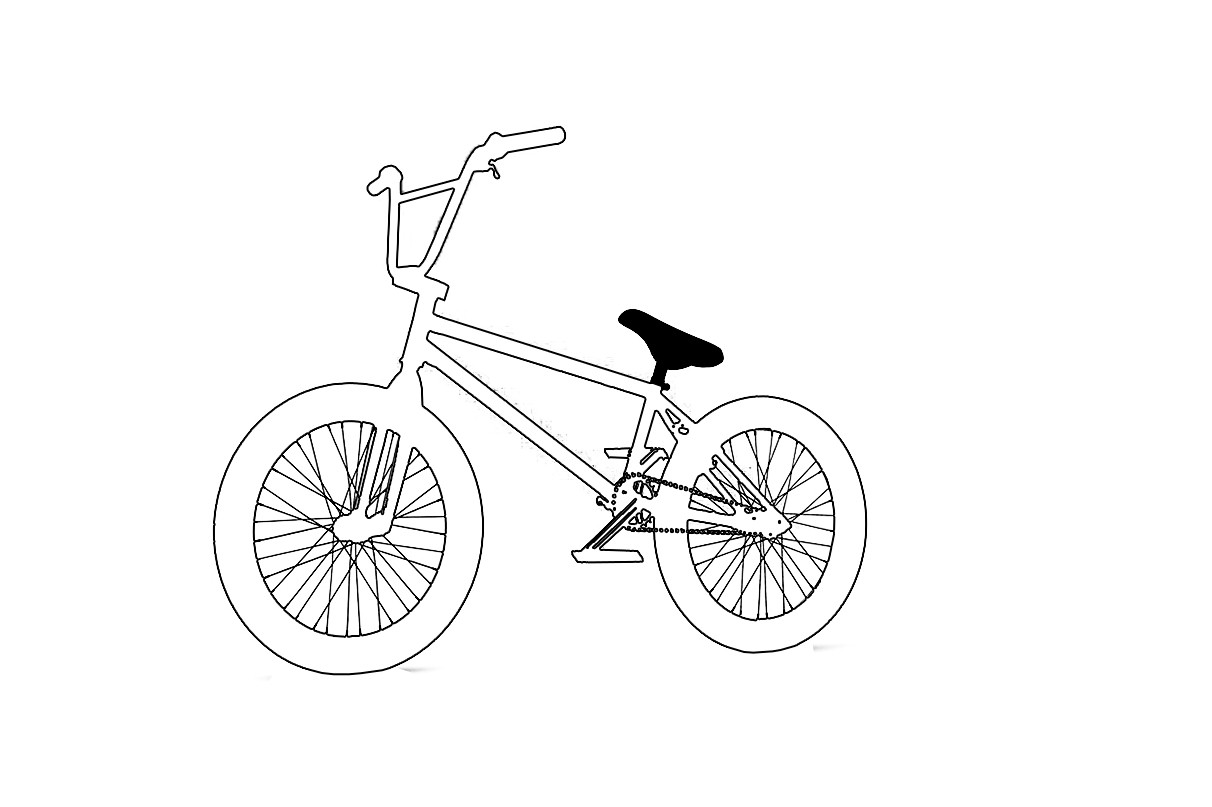
Assembly
When you receive your BMX bike you can get one of three different kinds: assembled, not assembled and partially assembled. You will know this before hand, so you will be surprised by the condition of your BMX bike or how much you may or may not have to assemble yourself. BMX bikes that are not fully assembled when delivered, are relatively easy to assemble and all necessary equipment will be included.Total height:
The total height of your mini BMX bike. It is recommended that the total height of your mini BMX bike suits your own height. The two heights actually depend on eachother. If the total height of your mini BMX is too high, your ability to maneuver decreases and is it on the other hand too low, the comfort will be affected and it will eventually become very uncomfortable to ride on. The height of your mini BMX bike can of course vary from one riding style to another.Weight:
The total weight of the mini BMX bike is very important, because light materials often are better than the heavy ones, since they decrease the resistance. You can therefor say that the lighter the mini BMX bike, the better the quality. A light mini BMX bike is also alot easier to perform tricks and flips on.Seat:
When you have to choose a seat for your mini BMX bike, you have four options: Pivotal, Tripod, Rail and Combo. Pivotal, which is put on top, provide you with the opportunity to adjust the angle. Tripod is mounted at the bottom, which results in it only having one angle and no opportunity to adjust at all. Rail seats are mounted with a couple of rails and a saddle stick included. And last but not least we have the Combo seat, which is permanently put together with a saddle stick. Combo is therefor a sort of combination between the other options, which the name also indicates.Bar height:
The total height from the bottom of the mini BMX bike to the middle of the handle. The bar height on a mini BMX is recommended to suit the rider in order for easier control of the bike.Bar width:
Various widths of bars suits different styles of riding for example from air tricks to technical tricks. For air tricks you will have far better trick control with a wide bar, where with a less wide bar you are more ready for technical tricks. This means that the bar plays a role in how well you are able to execute tricks, and it should hereby be considered, before purchase, what your mini BMX primarily would be used for.Cranksets:
The crankset you choose for your mini BMX bike is essentiel for the feel of your pedaling. The cranksets job is exactly to transfer the power in your pedaling to the actual bike and thereby make sure that you move forward. This, it has to do without wasting too much energy on resistance and this is why cranksets come in different kinds for mini BMX bikes, usually in 2 or 3 pieces. For cranksets fewer pieces are better than many, because it helps the smoothness of the movement.Gear ratio:
The gear ratio is determined by the amount of teeth on the blade and the rear blade. If you have more teeth on the front gear wheel you will experience a harder gearing, meaning that pedaling will become harder. If you opposite have more teeth on the rear gear wheel your gearing will be lower and pedaling will naturally also become easier.Blade material:
The blade on a mini BMX is typically made of chromed steel, because this material is the best qualified for the job. However cheaper and hardly as good alternatives exists, for example aluminum.Bar material:
Bars for mini BMX bikes are usually made from steel, since this is a very powerful and sustainable material, however cheaper aluminum bars are available as well. Bars made of steel are heavier, more stable and alot more durable than bars made of aluminum. An aluminum bar is however cheaper and does also work respectively for your mini BMX bike, it just doesn't last as long as steel.Headset type:
You can either get an intergrated headset or non-intergrated headset for the headtube of your mini BMX bike. The headset is essentiel your mini BMX' steering, so that you actually go in the direction you wish. An intergrated headset is better protected and more duable than a non-integrated headset, since the headset is located on the inside and outside of the headtube on the mini BMX bike.Pedals:
There are 3 different pedal types. Some are made of steel, which are also the most solid and durable ones, naturally meaning that they are also the most expensive ones compared to plastic pedals, which are quickly worn. The last option is click pedals, which primarily is used for race biking or mountainbike.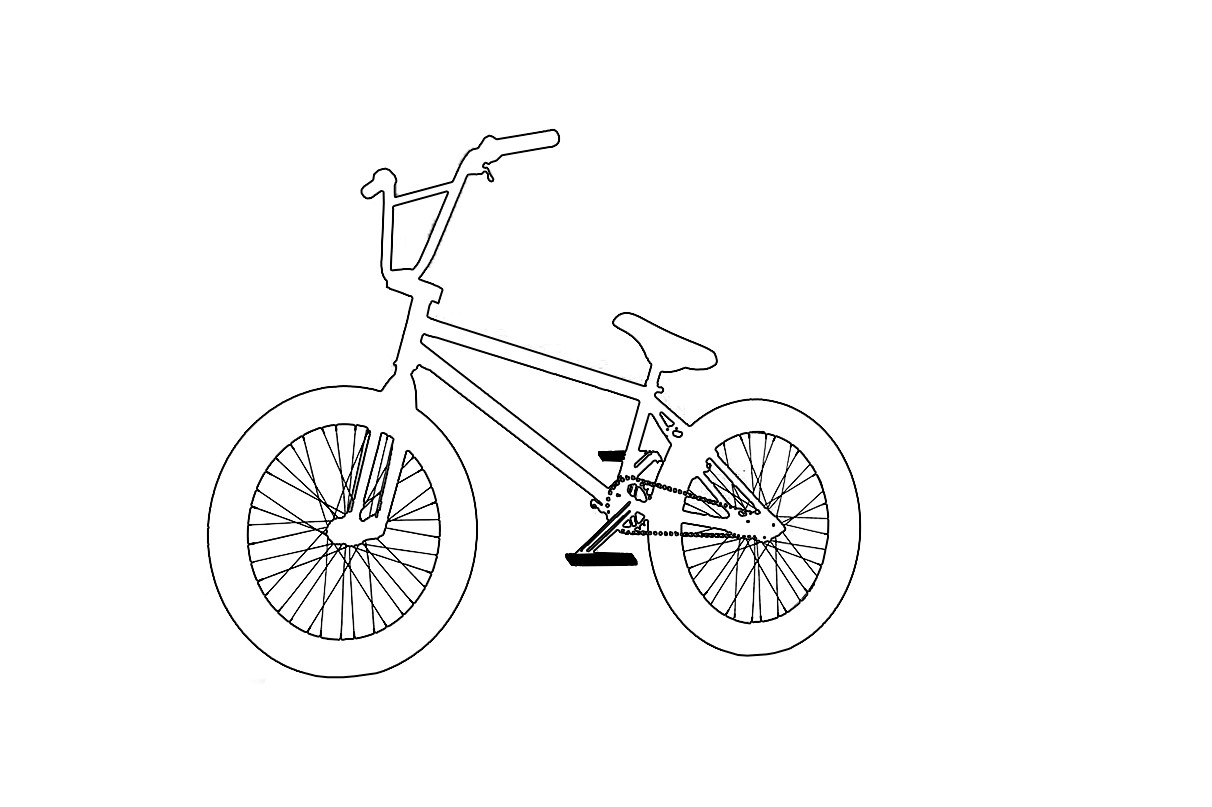
Wheel diameter:
The size of the wheels should depend on your riding style and also your height. If you focus a lot on a great riding experience with a sweet flow and some nice speeds, then you need larger wheels. If however, you would rather want quick reactions and an overall better control of your mini BMX bike, you should go for smaller wheels.Assembly:
When recieving your mini BMX bike you can get one of three following options: assembled, not assembled and partially assembled. This information will be given to you before delivery, so that you know just how much of your mini BMX bike you have to assemble yourself, if any at all. Do not worry though, for not assembled mini BMX bike are not difficult to assemble and all necessary equipment is of course included in the delivery.
Suitable:
Most balance bikes are suitable for children from around 2-4 years old. However, most of all, whether a balance bike is suitable or not - depends on the size of your child. A good rule of thumb is that your child should be able to get on and off the balance bike themselves, and easily touch the ground with their feet when sitting on the seat.Lenght:
The total length of the balance bike, is from the rear wheel to the front wheel. Not so important in terms of your choice of a balance bike for your child, but still tells something about the size of the balance bike. The longer a balance bike is, the higher or larger it is likely to be as well.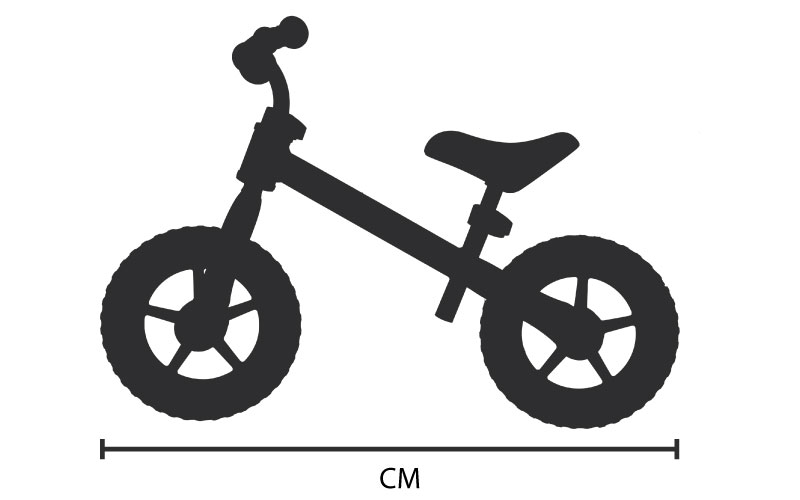
Seat height:
It is important that you choose a balance bike where the seat height matches your child's height. Some balance bikes have a seat that can be adjusted in height, which means that your child will be able to use it for a longer period of time. This is especially smart, as children aged between 2-4 years grow quickly and therefore will also need a seat at a higher height.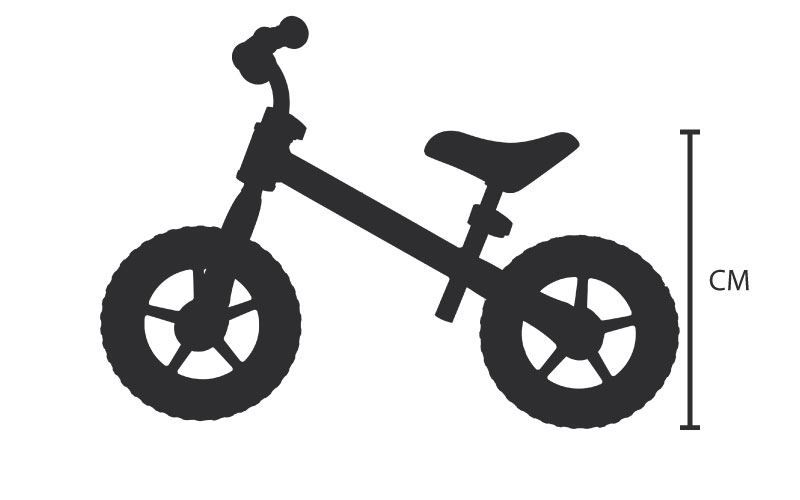
Total height:
The total height of the balance bike measures from the ground up to the top of the handlebars. It is important to choose a balance bike of a height that fits your child's size. Typically, one can assume that if your child's inseam length is 25 cm from inseam to the ground, then the height of the balance bike must be 23 cm - meaning 2 cm lower.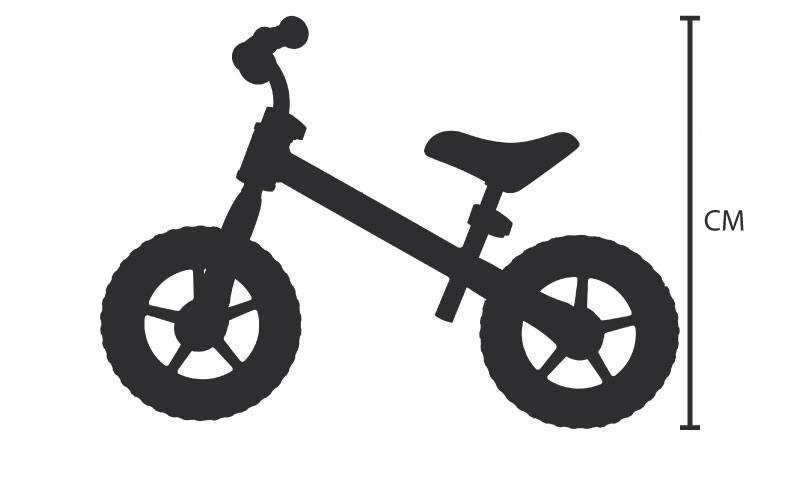
Material:
The material says something about the quality and durability of the balance bike. However, since running bikes are for children, the materials they are made of should not be too heavy either. Therefore, a material such as aluminum is a good material for a quality balance bike, which at the same time must be able to handle a little of everything, a playful child can expose it to. The cheapest balance bikes are typically made of some form of plastic, and although this is extremely light material, balance bikes of this are not nearly as durable as those of aluminum.
Weight:
The total weight of the balance bike measured in grams. Products such as balance bikes are for children, and therefore it is essential that the weight isn't too heavy, as the child may find it more difficult to steer around with their balance bike. The weight also tells something about the quality of the balance bikes, as a lightweight plastic balance bike weighs less than one of aluminum. However, the durability is higher for the aluminum balance bike. Although, the weight depends on more things than the material, as certain design techniques can strengthen and / or make a balance bike lighter in weight.
Max load:
The maximum load measured in kilograms that the balance bike can handle. This maximum load for a balance bike is the manufacturer's own recommendation for what the balance bike can handle in weight. Exceeding this may mean that the product will not run as well as otherwise, or in the worst case break due to continuous overload.
Number of wheels:
Balance bikes are available with a different number of wheels. At first when your child is around 1 year old they will get the most out of a balance bike with 3-4 wheels. This is because their balance skills need to be trained a bit before they will be ready and big enough for a 2-wheeled balance bike. 2-wheeled balance bikes can get more speed, so it can be smart to start out on a slightly softer surface such as grass or alike.
Wheel diameter:
The diameter of the wheels measured in millimeters. Larger wheels generally provide better riding characteristics in terms of comfort and speed. Whereas smaller wheels have easier steering and faster reaction in the event of sudden turns and / or oscillations. For balance bikes to children, it is good with larger wheels, so that the child's riding pleasure and comfort is maintained.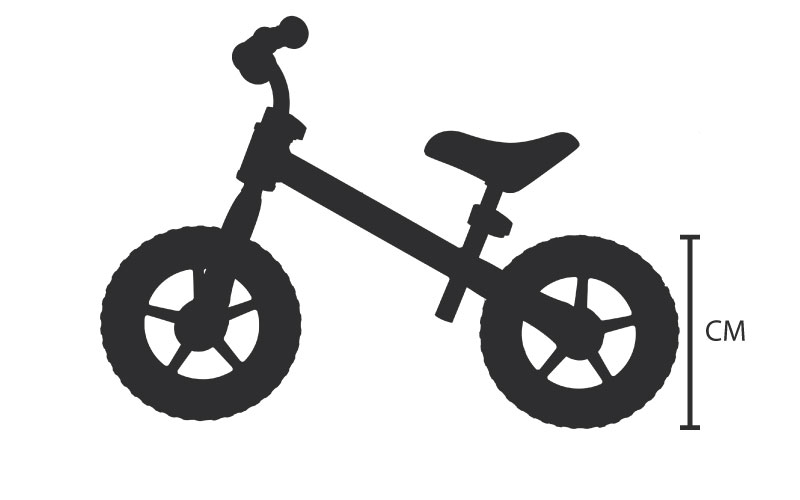
Wheel material:
The wheel material for balance bikes varies a lot. It can be general tires that need to be inflated or made of durable plastic materials, such as EVA. The advantage of EVA is the flexibility and softness of the material. EVA also does not weigh as much as other wheel materials, which is good for balance bikes made for children.
Core material:
The core material for balance bike wheels is typically nylon or aluminum. Both materials have their qualities in relation to the balance bike as a whole. Aluminum is stronger and more durable, but nylon is significantly lighter in weight. Compared to balance bikes for children, nylon is good if you want a lighter balance bike for general fun and play.
Ball bearings:
The quality of ball bearings is found by looking at the division in ABEC and the given numerical value. The higher a numerical value, the better the quality of the ball bearings. For example, ABEC-7 ball bearings are of better quality than ABEC-5 ball bearings. However, ball bearings also depend on your use and needs.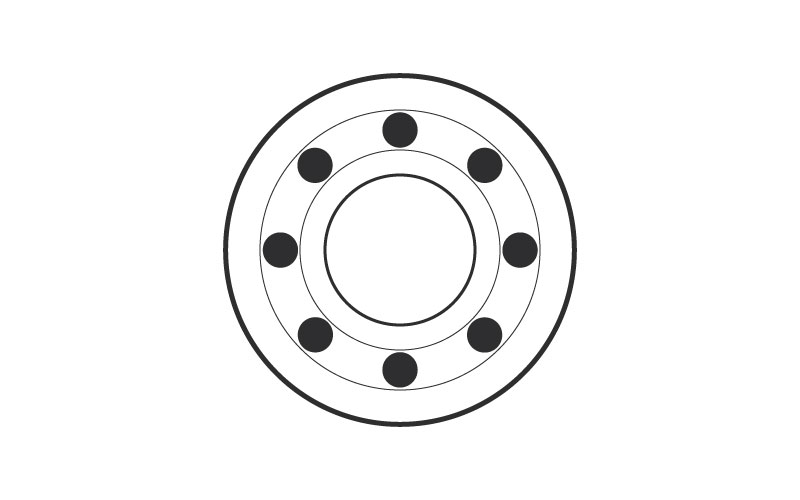
Assembly:
Balance bikes can come in different levels of joints. Typically, you buy either a balance bike as partially assembled or completely assembled. Partly means that individual screws and other things must be screwed on or tightened. However, if a balance bike is completely assembled, it may still be a good idea to check for loose screws or something else, as a result of the shipping of your balance bike.