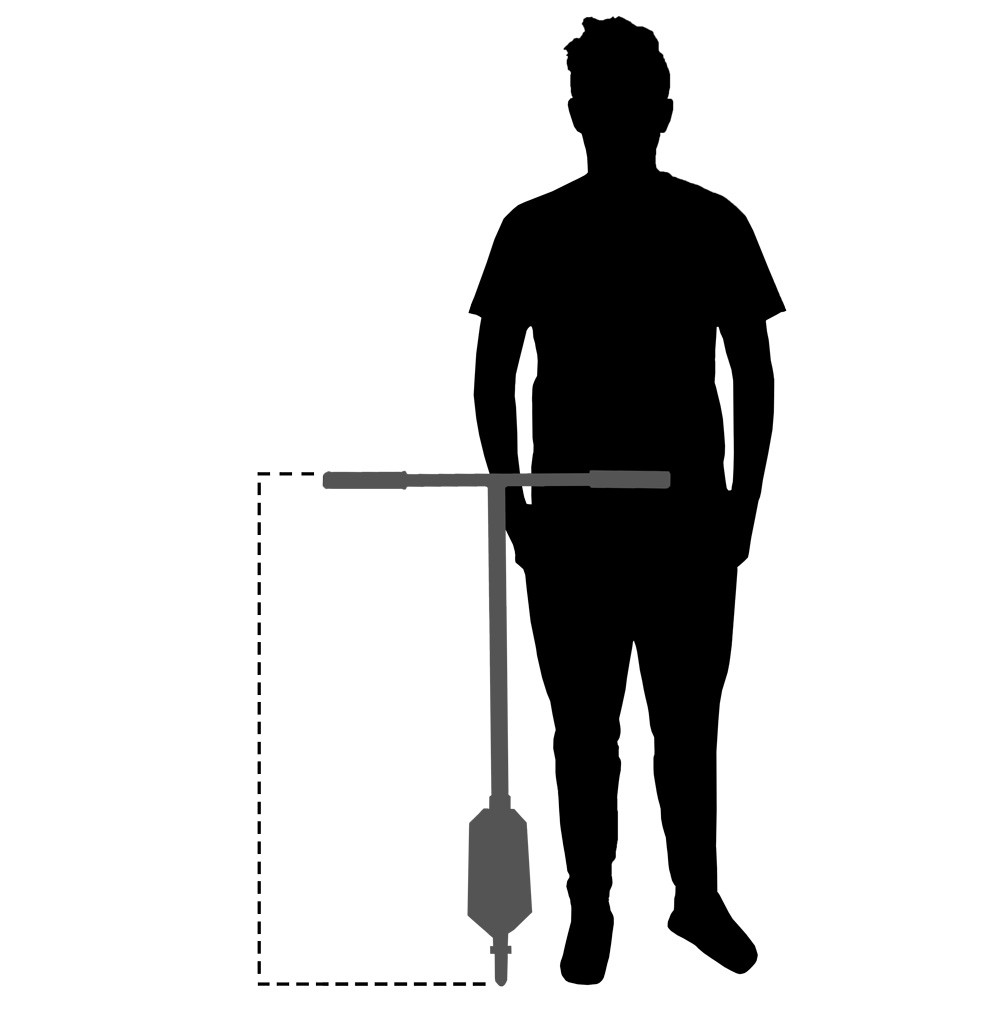
Total Height:
This refers to the full height of the entire snow stunt scooter. There is no universally “correct” height, as the ideal size depends on personal preference and riding style. In general, lower scooters are better suited for technical tricks, while taller scooters provide more stability and comfort. Some snow stunt scooters are height-adjustable, allowing you to fine-tune the setup to match your height and riding needs.
Max Load:
The maximum load is the manufacturer’s recommended weight limit for the product. This limit is based on their knowledge and testing to ensure that the product’s durability and lifespan are not reduced.
Weight:
This is the overall weight of the complete snow stunt scooter. Heavier scooters are often made from materials like steel, which provide increased durability and a longer lifespan. Snow scooters made from lighter materials, such as aluminum, are easier to carry and transport. Choosing between heavier or lighter materials depends on your budget and how you plan to use the scooter. A snow stunt scooter designed for tricks should be able to handle tough conditions, so selecting a stronger, more durable material is usually the smarter choice.
Quality assessment: ★★★★★(5/5)
This snow tricks scooter delivers an excellent riding experience on snow. It is highly stable and responsive, making it easy to perform both basic and advanced tricks. The balance between light weight and robust construction provides good control, even during fast manoeuvres or landings in deep snow.
The finish and assembly are well done, and the product gives an impression of high quality and durability. An obvious choice for both beginners and experienced riders who want fun and action on the snow all winter long.
Powder Snow Rating: ★★★★★(5/5)
Performance in powder snow is outstanding. The scooter floats effortlessly on top of the snow, and steering remains responsive even in deeper conditions. This delivers a stable and controlled riding experience, with excellent balance and maneuverability.
Additionally, it delivers a distinct surf-like feeling — especially in soft powder snow, where carving turns feel smooth and natural, almost like surfing on small waves of snow. This sensation makes the experience extra fun and dynamic for those who love free movement and playful riding on snow.
The grip feels secure, and the construction inspires confidence to ride fast or attempt tricks without losing control. A perfect choice for those seeking maximum fun, a surf-like sensation, and performance in fresh snow conditions.
Rails Sliding Rating: ★★★★★(5/5)
Performance when sliding on rails in the snow park is top-class. The scooter feels stable at the approach and glides smoothly without catching, providing a safe and controlled experience throughout the length of the slide.
Balance is easy to maintain, and the response from the handlebars and platform delivers a sense of precision, enabling both simple and advanced tricks. The surface finish contributes to smooth sliding, reducing the risk of unexpected stops.
This model allows riders to combine speed, control, and technique, resulting in an experience reminiscent of classic freestyle skiing or snowboarding on rails — but with a unique snow scoot twist.
Ramps (Jumps & Pipes) Rating: ★★★★★(5/5)
Performance on ramps, jumps, and pipes in the snow park is impressive. The scooter reacts quickly and precisely on takeoff, giving the rider full control over speed and direction. Landings feel stable, and the construction absorbs impacts effectively, allowing the rider to focus on technique and style.
The lightweight design allows for good height and safe rotations or grabs in the air. At the same time, it feels balanced so that both takeoffs and landings on pipes can be executed with confidence and flow.
This model is ideal for riders who want to combine aerial tricks with solid control — whether aiming for clean landings, technical combinations, or simply enjoying the sensation of weightlessness in the air.
Transport from A to B Rating: ★★★★★(5/5)
For transport from A to B, the snow scooter performs efficiently and effortlessly. It holds a stable course, glides easily over the snow, and provides a comfortable ride — even over longer distances. Steering is precise, making it easy to navigate through various snow conditions and terrain.
Speed is easy to build and maintain without feeling like unnecessary energy is being expended. The construction ensures a good balance between control and propulsion, making it practical for everyday use in snowy areas where you need to get from one place to another.
This feature makes the model suitable for both play and real transport — perfect for those seeking a reliable and fun way to move quickly through a winter landscape.
Deck material:
Most snow stunt scooter decks are made from Nylon PVC, a lightweight yet highly durable material ideal for cold environments. Nylon PVC handles impacts well, resists cracking in low temperatures, and offers a flexible feel that helps absorb shocks during tricks and landings on snow. Some snow stunt scooters still use aluminum decks, which remain a strong and reliable option. Because aluminum is naturally softer, it is often mixed with other metals to form aluminum alloys. These alloys are categorized by number, and higher alloy grades typically indicate a stronger, more durable deck. Aluminum decks offer a more rigid platform and are preferred by riders who want a stiffer feel under their feet.
Both materials have their advantages — Nylon PVC for lightweight flexibility and cold resistance, and aluminum for a more solid, traditional freestyle riding experience.
Material Strength:
The strength of aluminum is measured by how many tons of pressure it has been treated under. A deck made from T4 aluminum has been pressed with 4 tons of force, while T6 aluminum has been pressed with 6 tons. The more pressure the metal has been exposed to, the stronger and more durable the snow stunt scooter will be.
Brake type:
Snow stunt scooters do not use traditional wheel brakes like bolt, spring, flex fender, or brakeless fenders, since there are no wheels to stop. Instead, many models use a Nylon Mould brake, which is designed specifically for snow conditions. A Nylon Mould brake is a lightweight, durable brake system made from reinforced nylon.This type of brake is quiet, resistant to cold temperatures, and flexible enough to handle impacts—ideal for trick riding on snow. It offers reliable stopping power without adding unnecessary weight and helps maintain smooth control when performing jumps, landings, and directional changes in snowy terrain.
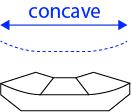
Concave:
The concave shape helps you maintain better balance while riding. It allows your feet to grip the deck more securely, giving you improved control during tricks and landings. On a snow stunt scooter, the concave refers to the slight inward curve of the deck’s surface. Without this curved shape, it would be harder to stay stable and keep proper footing, especially when riding on snow where conditions can be more slippery.
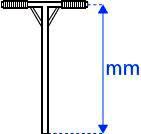
Bar Height:
This measurement refers to the full height of the bar, from the top of the handlebar to the bottom of the bar. Some snow scooters allow height adjustment so you can fine-tune the setup to match your body height. However, snow stunt scooters designed for tricks usually come with a fixed bar height.
The reason for this is durability. Trick-focused bars must withstand heavy impacts, landings, and repeated stress in cold conditions. An adjustable bar system would introduce weak points, making the bar more vulnerable to bending or breaking during tricks. A fixed bar ensures maximum strength and reliability when performing jumps, spins, and other freestyle movements on snow.
Bar Width:
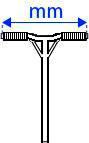
Different bar widths suit different riding styles. For aerial tricks, a wider bar gives you more control and stability in the air. For more technical tricks, a narrower bar is often preferred because it allows quicker, more precise movements.
Therefore, the width of the bar has a significant impact on your performance. When choosing a snow stunt scooter, it’s worth considering which type of riding you’ll be doing most—big jumps and spins or more technical, controlled tricks on snowy terrain.
Bar Material:
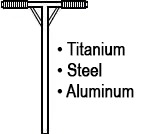
Steel is an extremely strong and durable material. Bars made from steel are very sturdy, but they are also noticeably heavier than bars made from materials like aluminum. Steel bars are well-suited for snow stunt scooters that will be used aggressively, since trick riding on snow puts the bar under a lot of force during landings, spins, and impacts. For that reason, a snow stunt scooter intended for freestyle tricks often benefits from the extra durability steel provides. If you prefer a bar that combines both strength and light weight, titanium is an excellent option. Titanium is incredibly strong and highly durable, yet much lighter than steel. In a sense, a titanium bar gives you the lightness of aluminum with the strength of steel—making it ideal for riders who want premium performance for advanced snow tricks.
Clamp Size:
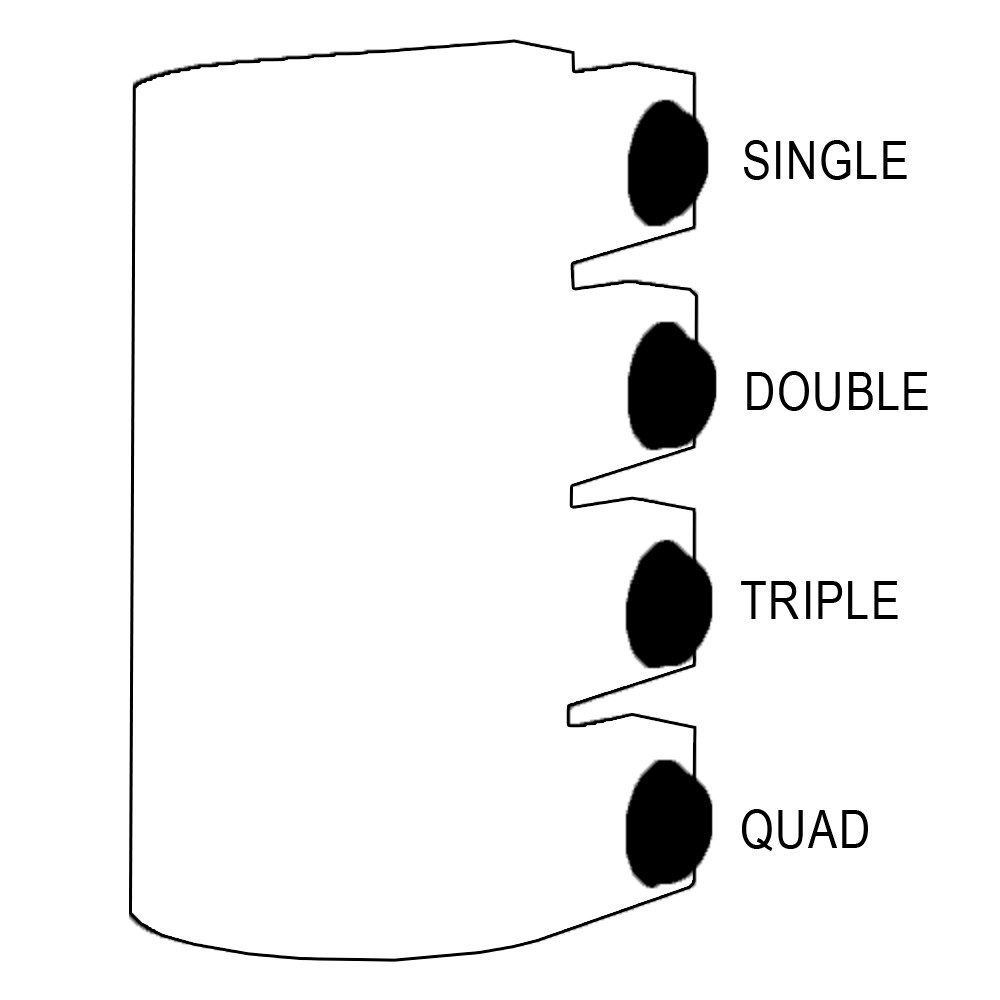
The size of the clamp depends on how many bolts it uses for tightening. The more bolts a clamp has, the larger and stronger it typically is. Likewise, a clamp with fewer bolts will be smaller and lighter. On a snow stunt scooter, the clamp plays an important role in keeping the bar securely attached to the fork, especially during hard landings and rotational tricks.
Compression System:
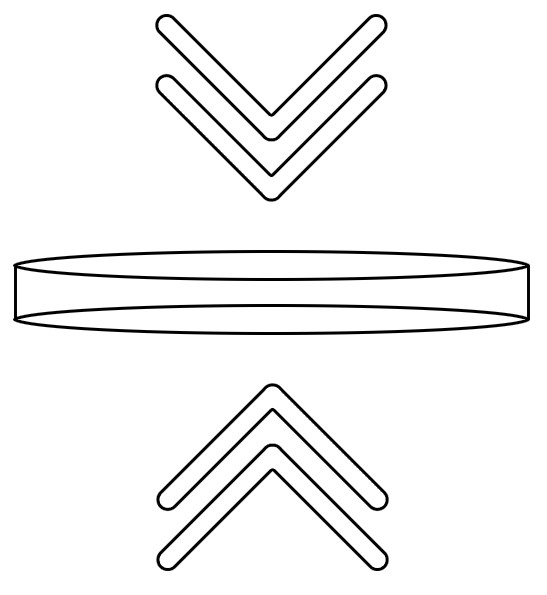
The compression system is what keeps the fork tightly connected to the deck’s headtube and prevents looseness from developing over time. Just like any equipment used outdoors, a snow stunt scooter will naturally experience wear, impacts, and small movements in the components. A good compression system ensures everything stays firmly in place, reducing play in the steering and keeping your scooter stable during tricks, landings, and fast riding on snow. It helps maintain precise control and prevents the front assembly from loosening as you ride.
Headset Type:
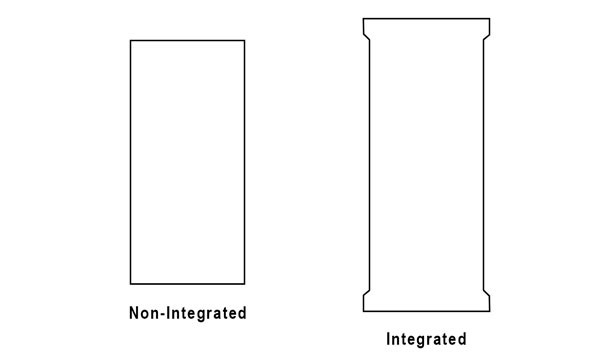
The headtube on the deck determines which type of headset the snow stunt scooter uses. An integrated headset is built directly into the headtube, giving it much better protection against snow, moisture, and impacts. Because the bearings sit inside the headtube rather than on top of it, an integrated setup typically lasts longer and requires less maintenance. A non-integrated headset sits outside the headtube and offers less protection, making it more susceptible to wear in snowy conditions. For snow stunt scooters—especially those used for tricks—an integrated headset is the preferred and more durable choice.
Fork Design:
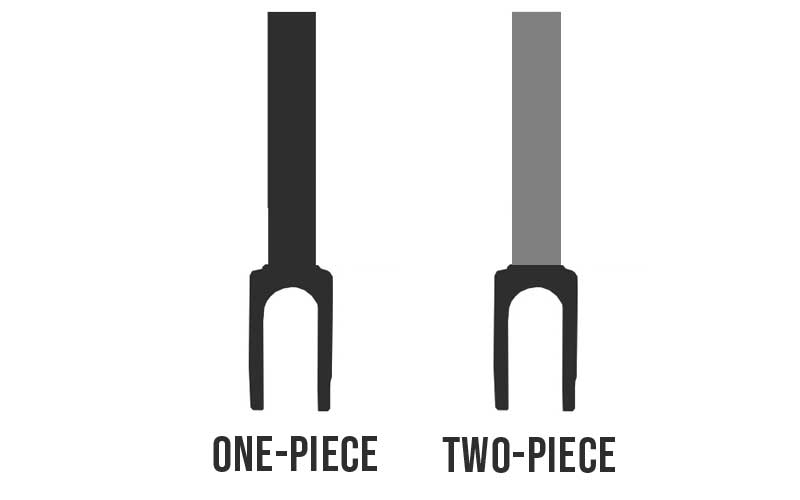
Forks can be divided into two main categories: one-piece and two-piece. A one-piece fork is CNC-machined from a single block of metal. With no welds, it is significantly stronger and more precise. Because producing a one-piece fork is expensive, only a few manufacturers choose this method—but the result is a much higher-quality component. If you want a pro-level snow stunt scooter capable of handling hard landings, spins, and heavy impacts in cold conditions, a one-piece fork is the ideal choice. A two-piece fork is made from multiple parts that are welded together. This is a cheaper manufacturing method and is used on most standard scooters. The drawback is that a two-piece fork is not as strong or as precise as a one-piece fork. For casual riding it may be enough, but for serious snow tricks and durability, a one-piece fork offers far better performance.
Assembly:
Always inspect your snow stunt scooter before use, and be aware that the level of assembly may vary when you receive it. If the scooter arrives fully assembled, it is ready to ride immediately. If it arrives partially assembled, only a few components will need tightening or mounting, which can easily be done with standard tools. If your snow stunt scooter arrives not assembled at all, every part will need to be put together. Regardless of the assembly level, always double-check that all bolts, the bar, the fork, and the skis are securely tightened before heading out on the snow.







 Always climate compensated shipping
 Free exchange